
For parents looking to make the safest and healthiest food choices for their family, here is some clarity on whether olive oil is safe for children.
Extra virgin olive oil is a source of monounsaturated fat and can form part of a varied, balanced diet for children. Dietary fat is particularly important for younger children because it provides energy and helps the body absorb certain vitamins. These nutrients support:
- Healthy growth and development
- Brain and cognitive function
- Digestive comfort
- Immune system strength
- Reduced inflammation
Extra virgin olive oil can help protect against sickness, support childhood development, and promote better long‑term health. These benefits are well‑established in nutritional research and align with global dietary guidance encouraging healthy fats over saturated ones.
There is no evidence that olive oil poses any risk to children when consumed in normal dietary amounts. Olive oil is an unsaturated fat and can be used in place of fats higher in saturated fat, such as butter, as part of a balanced diet.
Babies have different nutritional requirements from older children, and solid foods are generally introduced from around six months. Parents should follow age-appropriate feeding guidance and speak to their health visitor, GP or another healthcare professional if they have questions about an individual child’s diet.
Try Our Healthy Extra Virgin Olive Oil From Morocco
Practical Ways To Help Children Enjoy Extra Virgin Olive Oil
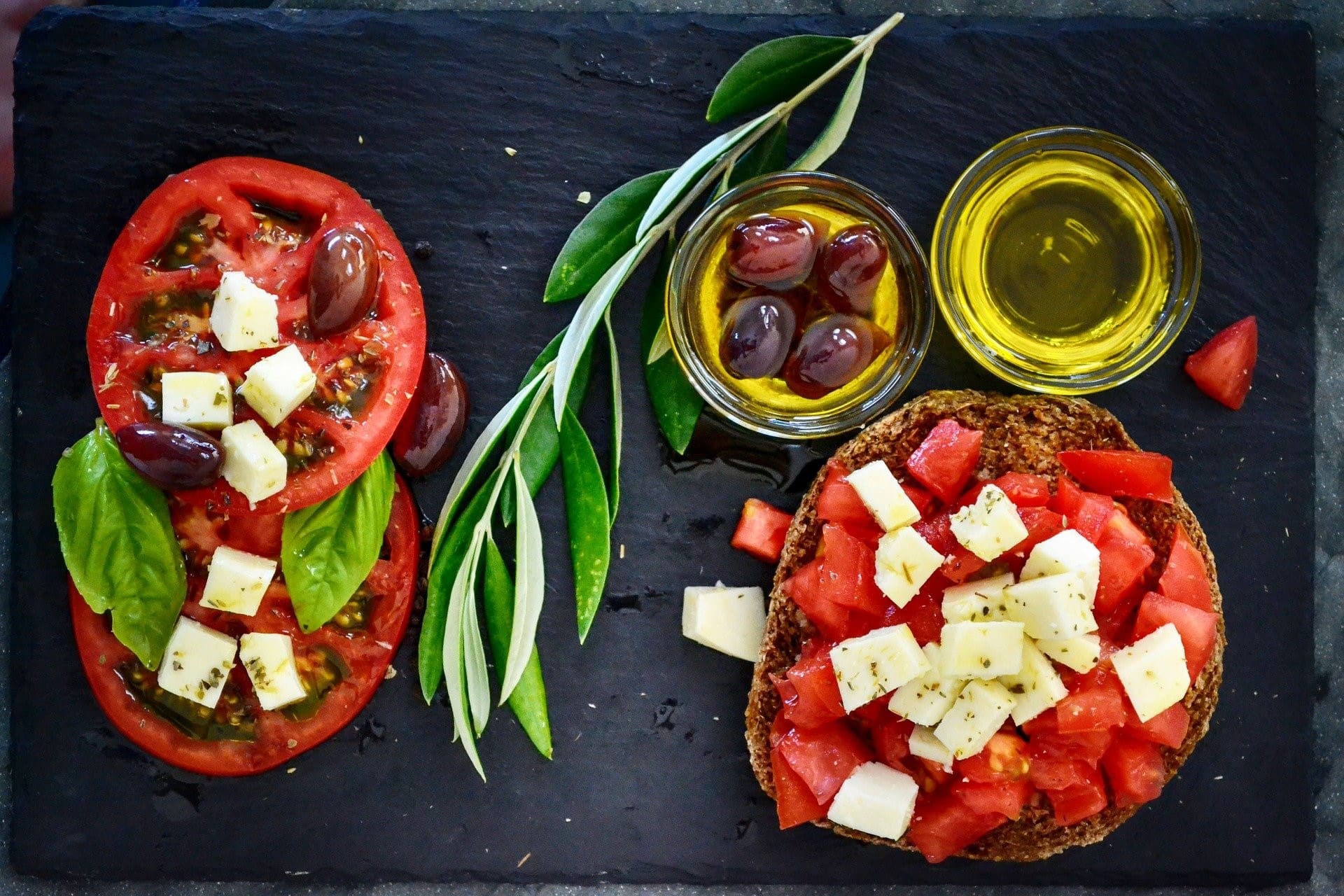
Use extra virgin olive oil for cooking — frying eggs, sautéing vegetables, or roasting foods.
- Swap butter for EVOO in baking — a simple way to replace some saturated fat with unsaturated fat.
- Add a drizzle to popcorn — an easy way to introduce the flavour of olive oil to older children.
- Try it on ice cream — surprisingly delicious and a fun way to introduce new flavours.
- Finish salads with EVOO — helping children enjoy vegetables with a mild, pleasant taste.
Choosing a high-quality extra virgin olive oil also means children can enjoy the flavour and naturally occurring compounds found in EVOO.
How Much Olive Oil Should Children Have?
Children don’t need large quantities of olive oil, and there isn’t one specific daily amount that is appropriate for every child.
The amount will depend on their age, appetite, overall diet and individual energy requirements. Olive oil can contribute to the healthy fats in a child’s diet through normal meals, including oil used for cooking, baking, dressings or drizzling over food.
As olive oil is energy-dense, it should form part of a varied and balanced diet rather than being treated as a supplement that children need to consume in a particular daily dose.
Parents who have questions about their child’s individual nutritional needs should speak to a healthcare professional or registered dietitian.
Why Are Healthy Fats Important In A Child’s Diet?
Dietary fat is an important part of a child’s diet. It provides energy and helps the body absorb fat-soluble vitamins, including vitamins A, D, E and K.
Extra virgin olive oil is predominantly made up of monounsaturated fat and can be one of the sources of unsaturated fat included within a varied family diet.
Rather than thinking of olive oil as something children need to consume for a particular health benefit, it can simply be used as one of the fats included in everyday meals.
Why Parents Should Consider EVOO Over Other Fats
Compared to butter or processed vegetable oils, EVOO offers:
- Lower saturated fat
- Higher antioxidant content
- Better heart health outcomes
- Cleaner production with no chemical refining
For families trying to build lifelong healthy eating habits, Extra Virgin Olive Oil is one of the simplest swaps with the biggest impact.
Practical Advice for Parents
For many busy parents juggling all aspects of family life, we thought it would be helpful to provide some clear, actionable guidance you can use right away:
1. Start Small
Introduce EVOO in familiar foods — eggs, pasta, popcorn, or mashed potatoes.
2. Choose High‑Quality EVOO
Children often prefer gentler flavours. Premium oils like Morocco Gold have a smooth, fruity profile that works well for young palates.
3. Use EVOO Instead of Butter
Try it in baking, on toast, or for frying. It’s a healthier fat with a cleaner nutritional profile.
4. Make It Fun
Let children drizzle their own olive oil on salads or vegetables. Ownership encourages curiosity and acceptance.
5. Avoid Excess
Olive oil is healthy, but still energy‑dense. Use it thoughtfully, not excessively.
6. Always Consider Allergies and Medical Needs
While olive oil allergies are rare, parents should consult a healthcare provider if their child has dietary restrictions or digestive issues.
Final Takeaway
Extra virgin olive oil can form part of a varied, balanced diet for children and is an easy ingredient to incorporate into everyday family meals.
It can be used for cooking, roasting and baking, added to dressings or simply drizzled over suitable foods. There is no need to give children a specific daily amount of olive oil; it is better considered as one of the sources of fat within their overall diet.
For babies, children with particular dietary requirements or parents with concerns about their child’s nutrition, individual advice should come from an appropriate healthcare professional.