Is Olive Oil Good for Digestion? The Effects of Extra Virgin Olive Oil on Gut Health

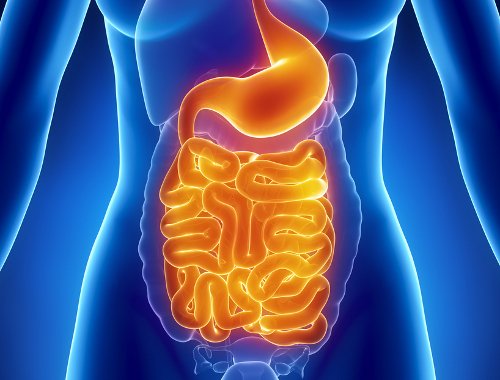
The Digestive System

One Of The Many Amazing Health Benefits Of Extra Virgin Olive Oil

Updated July 21st 2025

The Human Digestive System

Summary

  • Digestive disorders are widespread and can be brought on with little or no warning.
  • The cost of digestive disorders in the USA can range from $18k to $150k per year.
  • Extra virgin olive oil has been used to treat digestive disorders for centuries. Its beneficial properties are now being confirmed by epidemiological studies and a wealth of scientific data.
  • Extra virgin olive oil has beneficial effects on the stomach, the hepatic-biliary system, the pancreas, and the intestines.
  • The polyphenols in Morocco Gold extra virgin olive oil provide the health benefits within the digestive system, in particular – Hydroxytyrosol and Tyrosol.
  • People with digestive diseases often suffer in silence because of the stigma associated with digestive symptoms. Many won’t even discuss gut trouble with their doctors. When they finally do, it’s because the pain, blood, fatigue or constant bowel disruptions have become unbearable. Severe symptoms result in missed workdays, ER visits, emergency surgeries, and finally long-term prescriptions.

Contents

  1. Is Olive Oil Good for Your Stomach?
  2. Rising Cost of Digestive Diseases
  3. Understanding Digestive Disorders
  4. How Does Extra Virgin Olive Oil Help Digestion
  5. Extra virgin olive oil & the stomach
  6. Extra virgin olive oil & the hepatic-biliary system
  7. The Anti-Inflammatory Properties of Olive Oil
  8. Extra Virgin Olive Oil & The Pancreas
  9. Extra Virgin Olive Oil and Heart Health
  10. Extra Virgin Olive Oil & The Intestines
  11. How Extra Virgin Olive Oil Can Boost Beneficial Gut Bacteria
  12. Drinking Olive Oil for Gut Health
  13. The Polyphenols Present In Morocco Gold Extra Virgin Olive Oil
  14. The Effects of Olive Oil on Disease Prevention
  15. Which Polyphenols Protect The Digestive System?
  16. Health Benefits Of Hydroxytyrosol In Extra Virgin Olive Oil
  17. Polyphenol Tyrosol: A Key Polyphenol In Morocco Gold Extra Virgin Olive Oil

Is Olive Oil Good for Your Stomach, Digestion and Bloating?

Olive oil, especially extra virgin, supports the digestive system in several ways. It promotes healthy gut function, eases symptoms like bloating, and supports smoother bowel movements. Thanks to its high content of olive oil phenolic compounds and monounsaturated fatty acids, it helps regulate gastric acid, reducing discomfort from indigestion or reflux.

Drinking refined olive oil in small amounts, particularly on an empty stomach, may support more regular bowel movements and relieve constipation. This makes it a simple, natural addition to your diet to support gut health.

Rising Cost of Digestive Diseases

1 in 3 Americans struggle with Crohn’s disease, ulcerative colitis, irritable bowel syndrome (IBS), celiac disease, and other digestive conditions daily. Healthcare spending on a single patient with a digestive disease can range from $18k to $150k per year. Speciality medications can cost up to $70k per person per year.

When we look at the high cost of speciality drugs used to treat advanced digestive disorders, it’s easy to see how stigma and suffering in silence can eventually lead to a very expensive problem, for both individuals and health services.

Understanding Digestive Disorders

Digestive conditions can be brought on by stress, diet, and medications with little or no warning. Episodic flares lead to ER admissions and hospitalisations with very costly treatments. For people with digestive disease, following medication regimens can be very challenging, especially if they have other medical conditions to deal with. This can often result in poor outcomes, which, you guessed it, means even greater healthcare costs.

The digestive system provides fuel for the entire human body. It essentially supports all of the body’s other systems. When the digestive system is out of balance with an abnormal ratio of good to bad microbes, some really unpleasant digestive conditions can creep up, causing chronic inflammation and a host of unpleasant symptoms. Diarrhoea, constipation, and pain are only part of it. Extreme fatigue, nausea, eye and mouth sores, skin conditions like eczema and psoriasis, and mental health disorders like depression and anxiety are all closely linked to digestive health.

Add to that poor diets, allergies and busy lifestyles, and gut trouble is becoming a very big and very expensive problem.

How Does Extra Virgin Olive Oil Help Digestion

We all have likely heard that extra virgin olive oil is one of the healthiest oil choices for cooking and eating with its many health benefits. Extra virgin olive oil is high in fat, but the majority of it is heart-healthy monounsaturated fat, according to the American Heart Association. Choosing extra virgin olive oil over less healthy fats, such as butter, may benefit your heart and lower your cholesterol level. If these benefits are not enough, extra virgin olive oil may also contribute to a healthy digestive system.

As soon as we consume extra virgin olive oil like Morocco Gold it has a number of effects all the way along the digestive system. As far back as in ancient times it was recommended for assorted digestive disorders, and its beneficial properties are now being corroborated by epidemiological studies and a wealth of scientific data.

Once you swallow your food, your body takes over by secreting acids and other compounds that help break down the food and transport the nutrients it contains throughout your body. According to M. Carmen Ramirez-Tortosa and Parveen Yaqoob, authors of “Olive Oil and Health,” extra virgin olive oil encourages the production of peptides, which support healthy digestion and aid in nutrient absorption. Regular consumption of olive oil will keep your gut working efficiently by taking what it needs for good health and eliminating the rest in your waste.

Extra virgin olive oil & the stomach

Eating quickly, as well as eating high-fat foods, can cause gastric reflux, or heartburn. Heartburn is characterised by a burning sensation in your stomach, throat or oesophagus due to a high concentration of acid from your body attempting to digest unhealthy types of food. A study published in the 2004 issue of “Gracas y Aceites,” a journal that focuses on the roles of fat and oils in the human diet, notes that extra virgin olive oil may reduce the secretion of gastric acid.

Extra virgin olive oil reduces the risk of acid reflux and prevents gastric juices from travelling back up from the stomach to the oesophagus. Extra virgin olive oil inhibits gastric acid’s motility. Because of this, the stomach’s gastric content releases more gradually and slowly into the duodenum, making one feel fuller, having better digestion, and benefiting from full nutrient absorption in the intestine.

Extra virgin olive oil & the hepatic-biliary system

One of the effects of extra virgin olive oil on the hepato-biliary system or a healthy digestive system is that it is a cholagogue, ensuring optimal bile drainage and full emptying of the gall bladder. Another effect is that it is cholecystokinetic, i.e. it stimulates the contraction of the gall bladder, which is extremely helpful in the treatment and prevention of disorders of the bile ducts. It stimulates the synthesis of bile salts in the liver, and it increases the amount of cholesterol excreted by the liver.

In short, owing to its beneficial effect on the muscle tone and activity of the gall bladder, extra virgin olive oil stimulates the digestion of lipids, because the bile emulsifies them, and it prevents the onset of gallstones. This points to a healthy digestive system.

The Anti-Inflammatory Properties of Olive Oil

Chronic inflammation can negatively affect your digestive system, leading to conditions like inflammatory bowel disease or irritable bowel syndrome. The polyphenols in extra virgin olive oil, including hydroxytyrosol and oleuropein, have been shown to reduce inflammatory responses in the gut. By helping to regulate immune activity and oxidative stress, olive oil may support better digestion, lower the risk of gastrointestinal issues, and help prevent flare-ups of chronic diseases linked to inflammation.

Extra Virgin Olive Oil & The Pancreas

Your pancreas is often an overlooked part of the digestive system, but it is essential for hormone production and for producing enzymes that the small intestine needs to digest your food. Extra virgin olive oil is particularly beneficial to your pancreas because it only requires your pancreas to produce a small amount of digestive enzymes, which means that it is working less, according to the aforementioned study in “Gracas y Aceites.” This benefits your pancreas by keeping it strong and healthy. The June 2000 issue of the “Journal of Epidemiology and Community Health” adds that extra virgin olive oil may also offer protection from pancreatic cancer.

When extra virgin olive oil is consumed, the pancreas releases a small amount of secretion, helping the organ efficiently and effectively carry out its purpose within the digestive system. Researchers recommend extra virgin olive oil to patients who have pancreatic problems, including cystic fibrosis, chronic pancreatitis, pancreatic failure, and malabsorption syndromes.

Extra Virgin Olive Oil and Heart Health

There is a strong connection between digestive health and cardiovascular well-being. Diets high in monounsaturated fats, such as those found in extra virgin olive oil, are linked to reduced cardiovascular risk and better metabolic health.

Studies show that regular olive oil intake helps lower cholesterol levels, supports healthy blood pressure, and may reduce the risk of heart disease. These benefits, alongside improved gut function, make olive oil a key component of a balanced, heart-healthy diet.

Extra Virgin Olive Oil & The Intestines

Your large and small intestines are essential for digesting your food and getting the nutrients throughout your body. Eating extra virgin olive oil in place of less healthy oils can improve the efficiency of your intestines. Olive oil also encourages your intestines to absorb more of the vitamins and minerals from the foods you eat, which makes it beneficial for individuals suffering from digestive disorders, according to a 2004 study in “Gracas y Aceites.”

New research is also showing that polyphenols in extra virgin olive oil may help balance the bacteria in our digestive tract, slowing the growth of unwanted bacteria. On this list of polyphenols are: oleuropein, hydroxytyrosol, tyrosol and ligstroside. Some of these polyphenols are specifically able to inhibit the growth of the Helicobacter pylori bacterium; the bacterium that leads to stomach ulcers and other unwanted digestive problems. Yet another category of polyphenols, called secoiridoids, continues to be a focus in research on the prevention of digestive tract cancers.

How Extra Virgin Olive Oil Can Boost Beneficial Gut Bacteria

Taking care of our healthy gut bacteria is one of the best ways to keep our digestive system working well and protect our immune system.  That means packing as many fresh fruit and vegetables, whole grains and Mediterranean staples like extra virgin olive oil into our cooking as we can.

Recent studies have shown that people who ate diets rich in plant-based foods and fish, such as the famous Mediterranean diet, had higher collections of inflammation-fighting bacteria in their guts.

But perhaps you need some new inspiration to bring those beneficial bacteria-busting plant-based foods to life? Well, we at Morocco Gold are very happy to oblige with a selection of our favourite microbiome-friendly recipes to boost your gut health.

And, don’t forget, our new harvest of extra virgin olive oil is now available to purchase, meaning you can treat your meals to the freshest flavour direct from our olive groves in the foothills of Morocco’s Atlas Mountains.

Drinking Olive Oil for Gut Health

Drinking a spoonful of olive oil each morning is a tradition in many Mediterranean cultures. This practice can support your digestive system by lubricating the gut lining, encouraging healthy enzyme production, and delivering antioxidant-rich compounds directly to your system.

While it’s not a cure, this daily routine may help maintain a healthy gut microbiome, support immune system resilience, and improve digestion. Be sure to choose high-quality, unrefined extra virgin olive oil like Morocco Gold to maximise the benefits.

The Polyphenols Present In Morocco Gold Extra Virgin Olive Oil

Polyphenols Present In Extra Virgin Olive Oil Aid The Digestive System

More than 30 phenolic compounds have been identified in extra virgin olive oil, but not all of them are present in every oil. The large variety of polyphenols found in extra virgin olive oil is different in chemical structures and concentrations depending on several factors, including: olive variety, region in which the olive is grown, agricultural techniques, maturity of the olive fruit at harvest, and processing. Indeed, different varieties, cultivated in the same environment and processed at a fixed ripening stage, produce extra virgin olive oil with different total polyphenol profiles.

We are delighted to say that this year’s harvest has produced a low acidity level of 0.2% together with the highest level of polyphenols yet seen in our extra virgin olive oil.

3,4 DHPEA-EDA 83 mg/kg
Hydroxytyrosol5 mg/kg
Lignanes25 mg/kg
Ligstroside aglycone (p, HPEA-EA)19 mg/kg
Oleuropein aglycone (3,4 DHPEA-EA)69 mg/kg
Oleocanthal p, HPEA-EDA63 mg/kg
Tyrosol362 mg/kg
Polyphenols Total626 mg/kg
Polyphenol content in Morocco Gold Extra Virgin Olive Oil

The Effects of Olive Oil on Disease Prevention

Scientific research suggests that olive oil may help reduce the risk of chronic diseases, including cardiovascular diseases, certain cancers, and neurological conditions. These potential health benefits stem from olive oil’s high antioxidant content, ability to reduce reactive oxygen species, and influence on cholesterol levels.

In randomised controlled trials, extra virgin olive oil consumption has been linked with reduced cardiovascular risk, improved central nervous system function, and weight management support. These broader health effects also contribute to a healthier digestive system and overall wellness.

Which Polyphenols Protect The Digestive System?

Polyphenol Hydroxytyrosol

Hydroxytyrosol is a powerful polyphenol that occurs naturally in olive fruit, pulp, leaves, and mill wastewater. Chemically, hydroxytyrosol is described as 4-(2-hydroxyethyl)-1,2-benzendiol, with the chemical formula C8H10O3.2 

Hydroxytyrosol is a well-known minor component found in extra virgin olive oil, which is derived from hydrolysis of the polyphenol oleuropein during olive maturation and olive oil storage. The compound plays an important role in the complex and varied flavour of olives and olive oil.

It is also a vital component which largely adds to the stability and longevity of extra virgin olive oil. 

Hydroxytyrosol is hydrophilic and absorbed in a dose-dependent manner in humans, with absorption occurring in the small intestine and colon. Uniquely, hydroxytyrosol is the only polyphenol that can cross the blood-brain barrier, which allows it to have a significant effect on scavenging free radicals in the nervous system.

Health Benefits Of Hydroxytyrosol In Extra Virgin Olive Oil

Antimicrobial Activity 

In vitro experiments have shown that hydroxytyrosol in extra virgin olive oil has antimicrobial properties against infectious respiratory and gastrointestinal pathogens.It is also known that hydroxytyrosol in extra virgin olive oil has activity against gram positive and gram-negative bacteria. In general, polyphenols have been reported to have wide antimicrobial activity, such as antibacterial, antiviral and antifungal effects.

Polyphenol Tyrosol : A Key Polyphenol In Morocco Gold Extra Virgin Olive Oil

Tyrosol is a phenylethanoid, a derivative of phenethyl alcohol. It is a natural phenolic antioxidant present in a variety of natural sources. The principal source for the human diet is high-quality extra virgin olive oil, like Morocco Gold. As an antioxidant, tyrosol can protect cells against injury due to oxidation.

Along with hydroxytyrosol, tyrosol is one of the most abundant polyphenols in extra virgin olive oil, where it occurs as such or in the form of esters of oleanolic acid. An increasing amount of research is being conducted into these polyphenols and their properties to determine which is the most significant contributor to the range of health benefits associated with high-quality extra virgin olive oil.

Tyrosol is a colourless solid at room temperature, melting at 91–92°C and slightly soluble in water. Hydroxytyrosol, on the other hand, appears as a clear, colourless liquid at room temperature. It is now believed that this affects the rate of ‘uptake’ when ingested, with hydroxytyrosol acting more quickly in the gut. However, tyrosol accumulates intercellularly over time to provide longer-term protection due to its higher concentration and good bioavailability.

Study Show Links Between Oral Health and Mediterranean Diet

Oral Health And Mediterranean Diet

Extra Virgin Olive Oil Infused Diet Linked To Improved Oral Microbiome

Updated March 26th 2025

Oral Health And Mediterranean Diet
Mediterranean Diet For Improved Oral Health

Summary

  • Latest research links adherence to Olive Oil infused Mediterranean Diet is linked to improved oral health.
  • Polyphenols found in quality extra virgin olive oil help protect against gum disease, reduce inflammation, and even combat bad breath.
  • The study outlines the positive effects of the Mediterranean diet on patients with periodontal inflammation compared to the Western-type diet.

Contents

  1. Extra Virgin Olive Oil And Healthy Gut Microbiome: What’s The Link?
  2. Research Links Mediterranean Diet To Reduced Oral Disease
  3. What Is The Oral Microbiome?
  4. How Do Polyphenols In Extra Virgin Olive Oil Help Oral Health?
  5. What Is The Mediterranean Diet And Is Extra Virgin Olive Oil Essential?
  6. Small Steps Towards a Healthier Smile With Extra Virgin Olive Oil And The Mediterranean Diet

Extra Virgin Olive Oil And Healthy Gut Microbiome: What’s The Link?

Your diet affects every aspect of your health, including your smile. While many of us focus on exercising or cutting sugar for overall wellness, fewer are aware of how important nutrition is for maintaining oral health. Among various dietary approaches, the Mediterranean Diet is emerging as a powerhouse for oral health, thanks to its unique composition and one star ingredient: extra virgin olive oil.

This post explores how the Mediterranean Diet and high quality extra virgin olive oil can improve your oral health, backed by research into their effects on your oral microbiome, gum disease, and dental health.

The Mediterranean Diet which includes healthy fats like extra virgin olive oil has been linked to positive influence on oral health, according to new research.

In the realm of health and wellness, the spotlight often shines brightly on the Mediterranean diet, celebrated for its cardiovascular, weight management, and longevity benefits. However, a fascinating new study reveals that the perks of this diet extend even further, offering a protective shield for our oral health. For health enthusiasts and foodies alike, understanding the links between the Mediterranean diet, the oral microbiome, and overall oral health opens up new avenues for maintaining wellness.

Research Links Mediterranean Diet To Reduced Oral Disease

Several studies suggest that following the Mediterranean Diet can lower the risk of oral diseases such as periodontitis (gum disease) and cavities. This diet is renowned for being rich in fruits, vegetables, fish, whole grains, and of course, olive oil.

A key element is its anti-inflammatory properties. Gum disease and dental decay are often driven by inflammation caused by harmful bacteria in the mouth. The Mediterranean Diet’s nutrient-rich and anti-inflammatory foods help to manage this issue, acting as a defence barrier for your teeth and gums.

For instance, research conducted by the International Journal of Environmental Research and Public Health highlights the Mediterranean Diet’s ability to combat chronic inflammation. This anti-inflammatory effect extends to oral tissues, reducing the severity and progression of gum disease.

A review article published in the Journal of Oral Microbiology also found that adherence to the Mediterranean Diet “is linked to the prevention of several metabolic and chronic degenerative pathological processes, including oral diseases” and that the diet “may represent a potential player in the link between oral microbiome and oral diseases.”

The recent study in question highlights a significant reduction in oral diseases among those who adhere to the Mediterranean diet. This dietary pattern, rich in fruits, vegetables, legumes, nuts, whole grains, and, notably, abundant in extra virgin olive oil, not only nourishes the body but also fortifies our mouths against various ailments.

What Is The Oral Microbiome?

To understand how diet impacts oral health, we need to first understand the oral microbiome.

Your oral microbiome is an ecosystem of bacteria, fungi, and other microorganisms living in your mouth. Some bacteria are helpful, protecting your teeth and gums, while others can cause plaque build-up and disease when left unchecked. Keeping a balanced microbiome is essential for maintaining healthy teeth and gums.

Poor diet choices, like foods high in sugar or processed ingredients, can disrupt this balance by feeding harmful bacteria. Over time, this leads to inflammation, cavities, and gum disease. By contrast, the Mediterranean Diet supports a balanced oral microbiome with its nutrient-dense, unprocessed food choices.

As explained in a report on the study in The Olive Oil Times;

The oral microbiome is the second largest and most diverse microbiome after the gut. Comprising approximately 700 species of microorganisms, it is a complex system whose equilibrium is vulnerable to changes in composition.

This system includes bacteria, fungi, viruses, archaea (single-celled organisms such as methanogens) and protozoa (single-celled organisms such as Entamoeba gingivalis).

According to the United States Centers for Disease Control (CDC), there is a strong correlation between oral disease, especially periodontitis, and chronic systemic diseases.

The World Health Organization further notes that poor oral health is a regular cause of pneumonia in older adults.

The authors note that the oral cavity serves as a reservoir of Staphylococcus aureus, a bacterium that, while ordinarily harmless, can become an opportunistic pathogen causing respiratory and sinus infections.

It is also a leading cause of death among antimicrobial- and antibiotic-resistant pathogen strains such as MRSA, a strain of Staphylococcus aureus.

How Do Polyphenols In Extra Virgin Olive Oil Help Oral Health?

Extra virgin olive oil is the crown jewel of the Mediterranean Diet, and its benefits for oral health stem largely from its rich content of polyphenols. These are plant-based compounds with potent antioxidant and antimicrobial properties.

Polyphenols fight harmful bacteria in the mouth, maintaining a balanced microbiome and reducing the risk of gum disease and tooth decay. For example, research published in the Journal of Clinical Medicine found that polyphenols in olive oil can inhibit the growth of bacteria like Streptococcus mutans, which is responsible for cavities.

What’s more, polyphenols protect oral tissues from oxidative stress caused by harmful free radicals. Oxidative stress can weaken gum tissues, making them more susceptible to inflammation and infection. By neutralising these free radicals, polyphenols help to keep your gums healthy and resilient.

One of the Mediterranean diet’s staples, extra virgin olive oil, is rich in polyphenols. These natural compounds are not just powerful antioxidants; they also possess antimicrobial properties that contribute to a balanced oral microbiome. By inhibiting harmful bacteria’s growth and encouraging beneficial ones, polyphenols help protect against gum disease, reduce inflammation, and even combat bad breath. This makes extra virgin olive oil not just a culinary delight but a potent ally for oral health.

Research has shown that polyphenols have antimicrobial effects on oral pathogens such as Staphylococcus aureus and Porphyromonas gingivalis, a bacterium linked to numerous diseases, including periodontitis, Alzheimer’s disease and rheumatoid arthritis.

Among patients usually prone to severe periodontitis, adherence to the Mediterranean diet correlated positively with healthier oral habits, including increased tooth count and improved dental plaque removal.

What Is The Mediterranean Diet And Is Extra Virgin Olive Oil Essential?

The Mediterranean Diet isn’t just about eating olive oil (though it’s undeniably important). This well-researched diet reflects the traditional eating patterns of countries bordering the Mediterranean Sea, including Greece, Italy, and Spain.

Here’s a quick breakdown of what a Mediterranean Diet typically includes:

  • Fruits and Vegetables: High in vitamins and antioxidants that support overall and oral health.
  • Healthy Fats: Sources like olive oil, nuts, and seeds are essential for reducing inflammation.
  • Whole Grains: Packed with fibre to support healthy digestion and nutrient absorption.
  • Lean Protein: Fish, poultry, and legumes provide amino acids essential for tissue repair, including gum health.
  • Limited Red Meat and Sugar: Helps minimise processed foods and sugar that fuel harmful oral bacteria.

Meanwhile, extra virgin olive oil is critical to the diet, serving as the primary fat source. It’s used both as an ingredient and as a finishing touch to elevate the flavour of foods. This isn’t just about taste; its polyphenols, as we’ve seen, play an instrumental role in supporting not just oral health but heart and brain health as well.

The Mediterranean Diet is not prescriptive, allowing flexibility while encouraging mindful choices that lean towards fresh, whole foods.

This dietary pattern does more than just address nutrient deficiencies; it provides a harmonious blend of foods that collectively support health, including that of our teeth and gums.

The Mediterranean diet contains numerous elements rich in polyphenols: extra virgin olive oil, which contains oleocanthaloleuropein and hydroxytyrosol; nuts, which contain proanthocyanidins; fruits, vegetables, red wine and herbs, which contain compounds such as naringenin, apigenin and kaempferol; and many others.

The Mediterranean diet is also rich in fiber, which has been shown to promote oral eubiosis, a state of equilibrium in which beneficial microbial species dominate.

The authors reference three studies in particular when discussing evidence supporting the positive effects of the Mediterranean diet on patients with periodontal inflammation compared to the Western-type diet.

The first, published in 2022, demonstrated a significant decrease in periodontal bleeding and surface inflammation in periodontal inflammatory patients after following the Mediterranean diet for six months.

These findings contrast notably with studies from 2005 and 2019, which showed an increased gingival inflammatory response in people following a Western-type diet characterized by the high consumption of refined grains and sugars.

The researchers concluded the review article by emphasizing the need to study further the link between adherence to the Mediterranean diet, oral diseases and the oral microbiome.

They also called on dentists to be more proactive in disseminating information about how diet impacts oral health:

“The dentist plays a fundamental role in promoting and disseminating the correct dietary habits based on healthy food choices among the population that, together with lifestyle, may significantly improve their general and oral health status.”

Journal of Oral Microbiology

Mediterranean Diet Can Boost Gut Health And Reduce Parkinson’s Disease Risk

Boost Gut Health

New Study Links Gut Health With Reduced Parkinson’s Disease Risk

The Best Olive Oil For Gerd

Summary

  • A new study published in JAMA Network Open finds a link between damage to the gastrointestinal (GI) tract with increased risk of developing Parkinson’s disease but The Mediterranean Diet can help maintain better GUT health.
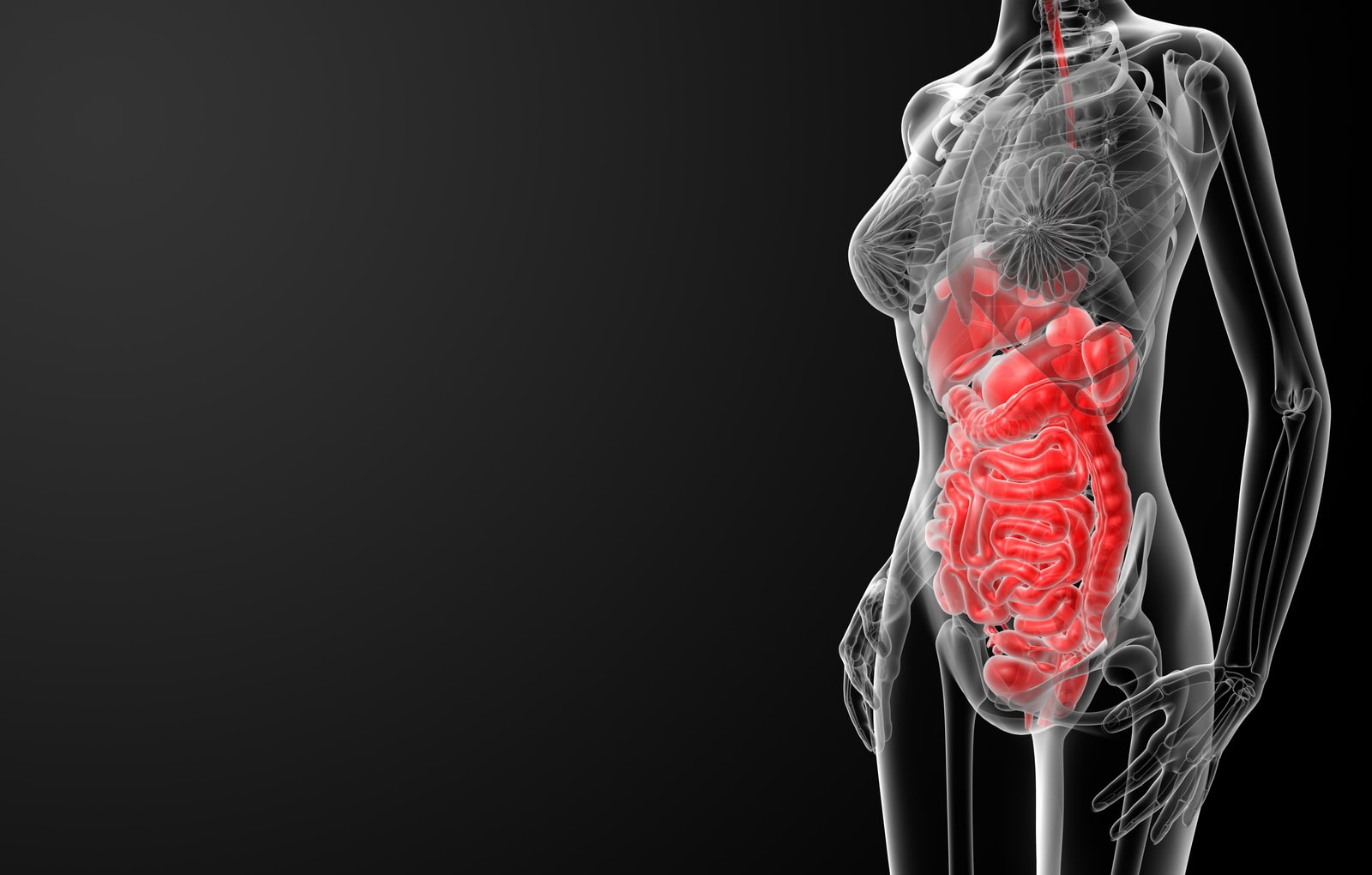
  • Research participants who had sustained mucosal damage (the inner lining of the digestive, respiratory and reproductive organs), have a higher subsequent risk of Parkinson’s than those who had not.
  • Extra virgin olive oil is a key component of The Mediterranean Diet and brings a wealth of health benefits to the digestive system, including anti-inflammatory and anti-oxidant components.

Contents

  1. New study Reveals Link Between Gut Health And Parkinson’s Disease
  2. Diet Choice Can Contribute To Mucosal Damage In The Gut?
  3. How The Mediterranean Diet With Extra Virgin Olive Oil Can Prevent GI Damage
  4. Extra Virgin Olive Oil And Digestive Health : Key Benefits Explained
  5. Extra Virgin Olive Oil & The Intestines
  6. How Extra Virgin Olive Oil Can Boost Beneficial Gut Bacteria

New study Reveals Link Between Gut Health And Parkinson’s Disease

A new study reveals a link between gut health and Parkinson’s Disease risk over time but a Mediterranean Diet with extra virgin olive oil is among best choices to reduce inflammation.

Research published in JAMA Network Open, has found sustained damage to the upper lining of the gastrointestinal (GI) tract from conditions like chronic acid reflux are 76 percent more likely to develop Parkinson’s disease.

The findings, also reported in WomansWorld.com claim participants who had sustained mucosal damage have a higher subsequent risk of Parkinson’s than those who had not. However, specialists believe that following a diet with healthy fats like The Mediterranean Diet can help to prevent gut damage.

The study included 9,350 patients who averaged 52 years old and had no history of Parkinson’s. They underwent an upper endoscopy to examine the esophagus, stomach and first portion of the small intestine between 2000 and 2005 within the Mass General Brigham healthcare system.

“The brain and gut are thought to be connected through a bidirectional pathway,” explains Vikram Shivkumar, MD, neurologist at Orlando Health Neuroscience Institute.”The gut-brain axis has multiple connections via the vagus nerve, the endocrine system, immune system and the metabolites of the gut microbiome.”

That said, patients with Parkinson’s disease often experience constipation many years before the onset of the defining symptoms such as tremors, rigidity and loss of dexterity, he adds.

Other gastrointestinal symptoms that are pertinent and may be associated with Parkinson’s include nausea, gastroesophageal reflux, trouble swallowing, bloating and abdominal pain, adds Jennie Stanford, MD, Obesity Medicine Physician and medical contributor for Drugwatch.

Diet Choice Can Contribute To Mucosal Damage In The Gut?

Mucosa is the inner lining of the digestive, respiratory and reproductive organs, explains  Dr. Shivkumar. Several factors can contribute to mucosal damage in the digestive system, including infections, stress, an unhealthy diet, and chronic NSAID use/

“Conditions such as [gastroesophageal reflux disease] GERD or peptic ulcers can [also] be associated with mucosal damage,” he notes. “The mucosa of various parts of the digestive tract have certain levels of acidity that they can tolerate. Reflux can subject mucosa in some parts to more acidic liquids than it can withstand. Some bacteria such as H pylori can also lead to mucosal damage and peptic ulcers.”

Additionally, there is a protective layer on the cells in our intestines that helps prevent damaging toxins from entering the body, explains James Cox, MD, Assistant Professor of Internal Medicine and Director of Physician Communication at Burnett School of Medicine at TCU.

A digestive problem such as GERD, for example, consists of acid coming from the stomach and irritating the esophagus. This can ultimately cause inflammation and elimination of those protective cells, he says.

How The Mediterranean Diet With Extra Virgin Olive Oil Can Prevent GI Damage

Many experts agreed that following a healthy diet such as the Olive Oil fuelled Mediterranean Diet can help to reduce the risk of gastrointestinal and cognitive damage.

“Following a healthy diet, getting regular exercise, managing stress effectively, eliminating unnecessary medications, avoiding alcohol and tobacco and participating in regular primary care visits can help reduce the risk of gastrointestinal and cognitive damage,” offers Dr. Stanford. One smart healthy eating plan to consider is the Mediterranean diet. It emphasizes mainly fruits and vegetables, whole grains, less processed foods and low fat, notes Dr. Cox. This may be beneficial for gut health and to enhance anti-inflammation.

Extra Virgin Olive Oil And Digestive Health: Key Benefits Explained

We all have likely heard that extra virgin olive oil is one of the healthiest oil choices for cooking and eating. Extra virgin olive oil is high in fat, but the majority of it is heart-healthy monounsaturated fat, according to the American Heart Association. Choosing extra virgin olive oil over less healthy fats, such as butter, may benefit your heart and lower your cholesterol level. As if these benefits were not enough, extra virgin olive oil may also contribute to healthy digestive system.

As soon as we consume extra virgin olive oil like Morocco Gold it has a number of effects all the way along the digestive system. As far back as in ancient times it was recommended for assorted digestive disorders, and its beneficial properties are now being corroborated by epidemiological studies and a wealth of scientific data.

Once you swallow your food, your body takes over by secreting acids and other compounds that help break down the food and transports the nutrients it contains throughout your body. According to M. Carmen Ramirez-Tortosa and Parveen Yaqoob, authors of “Olive Oil and Health,” extra virgin olive oil encourages the production of peptides, which support healthy digestion and aid in nutrient absorption. Regular consumption of olive oil will keep your gut working efficiently by taking what it needs for good health and eliminating the rest in your waste.

Extra Virgin Olive Oil & The Intestines

Your large and small intestines are essential for digesting your food and getting the nutrients throughout your body. Eating extra virgin olive oil in place of less healthy oils can improve the efficiency of your intestines. Olive oil also encourages your intestines to absorb more of the vitamins and minerals from the foods you eat, which makes it beneficial for individuals suffering from digestive disorders, reports the 2004 study in “Gracas y Aceites.”

New research is also showing that polyphenols in extra virgin olive oil may help balance the bacteria in our digestive tract; slowing the growth of unwanted bacteria. On this list of polyphenols are: oleuropein, hydroxytyrosol, tyrosol and ligstroside. Some of these polyphenols are specifically able to inhibit the growth of the Helicobacter pylori bacterium; the bacterium that leads to stomach ulcers and other unwanted digestive problems. Yet another category of polyphenols called secoiridoids, continues to be a focus in research on prevention of digestive tract cancers.

How Extra Virgin Olive Oil Can Boost Beneficial Gut Bacteria

Taking care of the microbes in our guts is one of the best ways to keep our digestive system working well and protect our immune system.  That means packing as many fresh fruit and vegetables, whole grains and Mediterranean staples like extra virgin olive oil into our cooking as we can.

Recent studies have shown that people who ate diets rich in plant-based foods and fish – akin to the famous Mediterranean diet – had higher collections of inflammation fighting bacteria in their guts.

But perhaps you need some new inspiration to bring those bacteria busting plant-based foods to life?  Well, we at Morocco Gold are very happy to oblige with a selection of our favourite Microbiome friendly recipes.

And, don’t forget, our new harvest of extra virgin olive oil is now available to purchase – meaning you can treat your meals to the freshest flavour direct from our olive groves in the foothills of Morocco’s Atlas Mountains.

Gastroenterologist Lists Olive Oil In Top Five Gut Healthy Foods To Eat Every Day

The Unique Flavour Of Morocco Gold Olive Oil

Benefits Of Extra Virgin Olive Oil To Boost Your Microbiome

Boost Your Microbiome Gut Healthy Foods

Summary

Contents

  1. Gastroenterologist Lists Olive Oil In Top Five Gut Healthy Foods To Eat Every Day
  2. What Role Can Extra Virgin Olive Oil Have In Your Gut Microbiome?
  3. The Super-Powers Of Extra Virgin Olive Oil For Your Gut
  4. Addressing Common Concerns About Extra Virgin Olive Oil In Your Diet
  5. Real-life Success Stories Of Extra Virgin Olive As A Boost To Gut Health

Gastroenterologist Lists Olive Oil In Top Five Gut Healthy Foods To Eat Every Day

In the world of superfoods, extra virgin olive oil is often heralded as a hero. Beyond its delicious taste and versatility in the kitchen, it boasts numerous health benefits that make it a staple in many households. But did you know that olive oil is one of the top foods you should eat daily for a healthy gut? This blog explores why incorporating olive oil into your diet can revolutionize your digestive health.
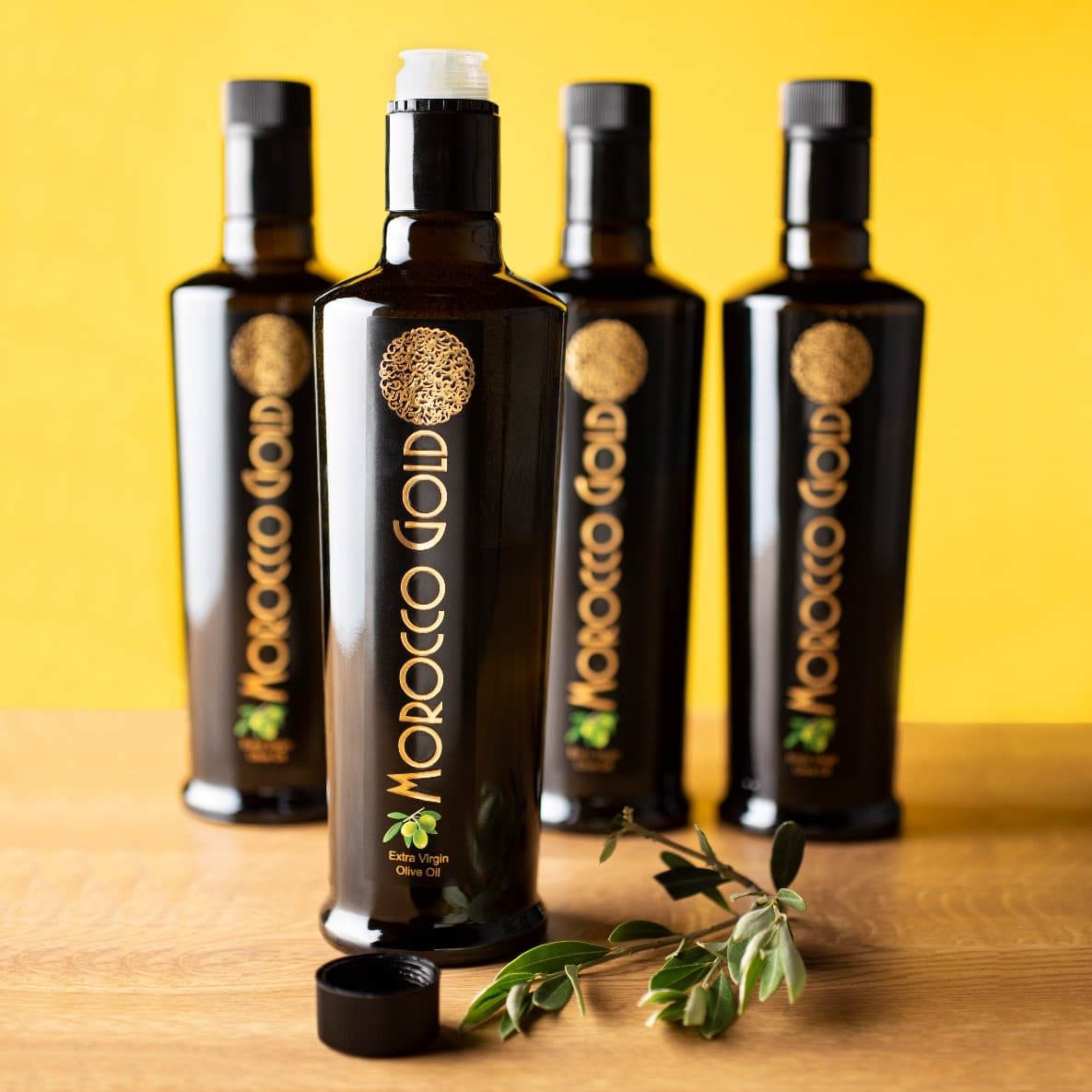
A quality extra virgin olive oil is one of the top five foods to increase the health of your gut microbiome, according to a Gastroenterologist.

In a recent post on TikTok, Joseph Salhab, DO, listed olive oil alongside sourdough bread, Kefir Cheese/ Yogurt, avocados and tomatoes as the top five foods to consume daily for better gut health.

Salhab described extra virgin olive oil as a great finishing touch on sourghdough toast for “for brain and gut health.”

What Role Can Extra Virgin Olive Oil Have In Your Gut Microbiome?

Olive oil is more than just a tasty addition to your meals. It’s packed with powerful nutrients and compounds that can significantly improve gut health. From its anti-inflammatory properties to its role in balancing gut bacteria, olive oil has much to offer.

“Olive oil modifies how your gut microbiome communicates with your brain,” explains Psychology Today. “Olive oil’s beneficial effects on the human brain and body are likely related to the presence of the polyphenols hydroxytyrosol (HT) and Oleic acid (OA). HT protects cells that are under oxidative stress. OA is a monounsaturated omega-9 fatty acid that is generally higher in olive oil than vegetable fats.”

Joseph Salhab goes on to explain how vital the gut is to your overall health as it breaks down the foods we eat and also absorbs the nutrients our bodies need to function daily while eliminating toxins and harmful bacteria.

That’s why, says Best Life Online, consuming the right foods can make a huge impact on how your gut flora affects your overall health, mood, metabolism, and more.

“The more diverse your microbiome, the healthier your gut,” internal medicine physician William W. Li, MD, told Eating Well. “This translates into lower inflammation and a reduced risk for chronic diseases like heart disease and type 2 diabetes. It can also promote faster healing, a more streamlined metabolism and even better mood.”

The Super-Powers Of Extra Virgin Olive Oil For Your Gut

Rich in Monounsaturated Fats

One of the standout features of olive oil is its high content of monounsaturated fats, particularly oleic acid. These fats are crucial for maintaining a healthy gut lining, which serves as a barrier preventing harmful substances from entering your bloodstream. Studies have shown that diets rich in monounsaturated fats can reduce inflammation in the digestive tract, promoting better overall gut health.

Antioxidant Powerhouse

Olive oil is loaded with antioxidants, including vitamin E and polyphenols. These antioxidants combat oxidative stress, a condition caused by an imbalance between free radicals and antioxidants in your body. Oxidative stress can lead to chronic inflammation, a known contributor to various gut disorders. By neutralizing free radicals, olive oil helps reduce the risk of inflammation and supports a healthier gut environment.

Natural Anti-inflammatory Agent

Chronic inflammation in the gut can lead to conditions like irritable bowel syndrome (IBS) and Crohn’s disease. Olive oil contains compounds like oleocanthal that have potent anti-inflammatory effects. By incorporating olive oil into your daily diet, you can help manage inflammation and protect your gut from long-term damage.

Balancing Your Microbiome

Your gut is home to trillions of bacteria, collectively known as the gut microbiome. Maintaining a balanced microbiome is essential for digestive health, and olive oil can play a significant role in achieving this balance.

Feeding the Good Bacteria

Olive oil acts as a prebiotic, providing nourishment for the beneficial bacteria in your gut. These good bacteria help break down food, absorb nutrients, and fend off harmful pathogens. A diet that includes olive oil can promote the growth of these beneficial microbes, enhancing your gut health.

Combating Harmful Bacteria

Not only does olive oil support good bacteria, but it also has antimicrobial properties that can help combat harmful bacteria. This dual action makes olive oil an excellent choice for maintaining a balanced and healthy gut microbiome.

Enhancing Nutrient Absorption

A healthy gut microbiome improves your body’s ability to absorb essential nutrients. Olive oil aids in this process by enhancing the digestion and absorption of fat-soluble vitamins like A, D, E, and K. This means that not only does olive oil benefit your gut directly, but it also helps you get more nutrients from the other foods you eat.

Addressing Common Concerns About Extra Virgin Olive Oil In Your Diet

While olive oil offers numerous benefits, some common concerns may arise. Understanding these can help you make informed decisions about incorporating olive oil into your diet.

Caloric Content

One tablespoon of olive oil contains around 120 calories. While this might seem high, remember that these are nutrient-dense calories. Olive oil provides essential fats and antioxidants, making it a worthwhile addition to a balanced diet.

Quality Matters

The quality of olive oil can vary significantly. To reap the full benefits, opt for extra virgin olive oil (EVOO), which is the least processed form. EVOO retains more antioxidants and healthy fats compared to more refined varieties.

Allergies and Sensitivities

Although rare, some people may be allergic or sensitive to olive oil. If you experience any adverse reactions, such as digestive discomfort, it’s best to consult with a healthcare professional.

Real-life Success Stories Of Extra Virgin Olive As A Boost To Gut Health

Many individuals have experienced transformative health benefits by incorporating olive oil into their diets. Here are a couple of real-life success stories to inspire you.

Emma’s Journey to Gut Health

Emma struggled with digestive issues for years. After incorporating olive oil into her daily routine, she noticed significant improvements in her gut health. “It’s amazing how something as simple as olive oil can make such a difference,” she says. “I feel more energetic and my digestion has never been better.”

Mark’s Battle with IBS

Mark was diagnosed with irritable bowel syndrome (IBS) and found it challenging to manage his symptoms. He began adding olive oil to his meals and saw a remarkable reduction in inflammation and discomfort. “Olive oil has become a staple in my diet,” Mark shares. “It’s made managing my IBS so much easier.”

Mediterranean Diet With Extra Virgin Olive Oil Among Top Five Choices For Gut Health

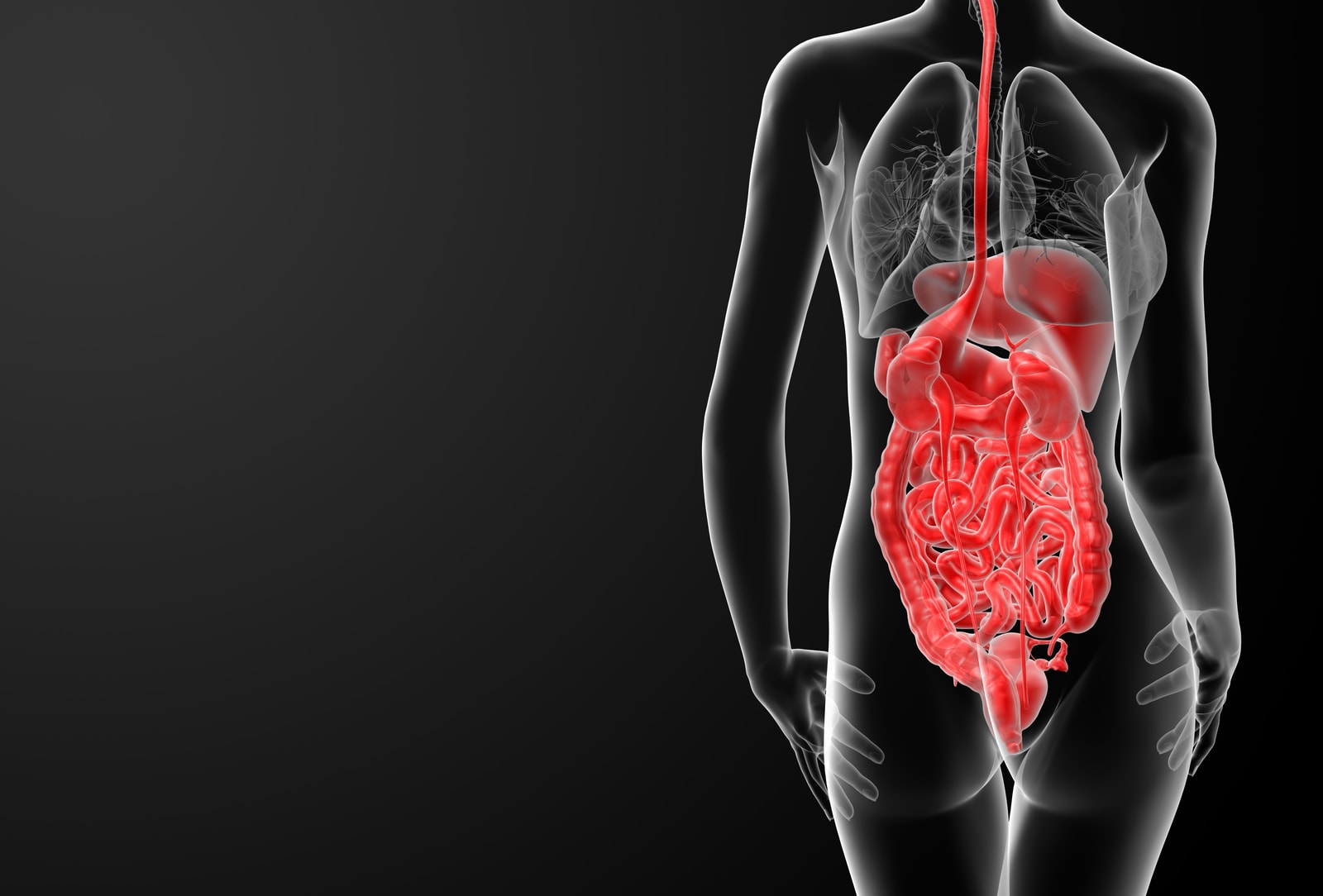
Female Digestive System

Gastroenterologist Backs Olive Oil Powered Mediterranean Diet For Health Microbiome

Updated 16th January 2024

The Best Olive Oil For Gerd
Gut Health With The Mediterranean Diet

Following a Mediterranean Diet and choosing more plant-based foods like extra virgin olive oil are among the top five best choices you can make for improved gut health, a Gastroenterologist has claimed.

Summary:
  • Gastroenterologists agree Extra Virgin Olive Oil Infused Mediterranean Diet Among Best For Improved Gut Health.
  • Get the most from your olive oil-infused plant-based diet by diversifying your plate with fruit and vegetables.
  • Quality extra virgin olive oils like Morocco Gold can inhibit bad bacteria, encourage good bacteria, and protect the gut lining.
Contents:
  1. Nutritionists Agree Extra Virgin Olive Oil Infused Mediterranean Diet Among Best For Better Gut Health.
  2. Top Five Practical Tips For Better Gut Health With Plant-Based Foods Like Extra Virgin Olive Oil.
  3. Morocco Gold Extra Virgin Olive Oil And Gut Health

Nutritionists Agree Extra Virgin Olive Oil Infused Mediterranean Diet Among Best For Improved Gut Health.

We all want to feel our best and nourish our bodies with wholesome, nutritious foods. But with so many confusing and conflicting messages about diets out there, it can be difficult to know which eating pattern is truly best for our digestion and overall wellbeing.

After years of research and practice, top gastroenterologists have reached a consensus on the top diets that promote gut health and reduce disease risk.

According to nutritional experts, both diets earned their place at the top for their emphasis on filling up on fiber-rich plant foods, healthy fats like extra virgin olive oil, and minimal amounts of highly processed foods that can irritate the digestive tract.

In this blog post, we’ll explain the key research supporting these diets and provide tips for transitioning your eating habits to gain similar benefits for your own gut and overall health.

Top Five Practical Tips For Better Gut Health With Plant-Based Foods Like Extra Virgin Olive Oil.

According to a new article from Eatingwell.com,  it’s hard to beat The Mediterranean Diet for providing a wide range of the veggies, fruits, whole grains, healthy fats (including olive oil) and heart protein to get the nutrients you need to thrive.

Speaking to Eatingwell.com,  Gastroenterologist Will Bulsiewicz, MD, MSCI, listed the five key things he does every day to protect his own gut health. These are;

1. Don’t count calories—but eat more plants.

“Stop counting calories,” Bulsiewicz says. “Start counting plants. Enough with the dietary restrictions—let’s live a life of abundance with as many different varieties of plants as possible.”

At Morocco Gold, we fully support the health benefits of a plant-focused diet, including The Green Mediterranean Diet which – as the name suggests – places extra emphasis on the nutrients found in green leafy vegetables.

2. Diversify your plate (with The Mediterranean Diet!)

As the article suggests, there are few diets as effective as The Mediterranean Diet for providing lots of different kinds of foods—veggies, fruits, whole grains, healthy fats and heart protein.

As well as keeping your meals interesting, following this pattern of eating and lifestyle will ensure that you at least get some protein and veggies on your plate.

As we may have mentioned, a quality extra virgin olive oil is the ideal component to a Mediterranean or plant-based diet.  Packed with a type of phytonutrient found in plant foods, extra virgin olive oil will provide your body with some vital antioxidants which are great for improving gut health.

Morocco Gold Extra Virgin Olive Oil And Gut Health

Add Olive Oil To Your Shopping List

Extra Virgin Olive Oil has been shown to be beneficial for gut health in multiple ways, including by inhibiting bad bacteria, encouraging the growth of good bacteria, and protecting the gut lining.  But don’t take it from us, listen to the words of an expert!

Writing in MindBodyGreen.com, Integrative Gastroenterologist Marvin Singh, M.D. says he is always looking for the best foods and nutrients that can help my patients live their healthiest lives. And this has led him to the door of polyphenols.  Pointing out that many of us may be aware of the potential benefits of drinking green tea or adding olive oil to the diet and eating plenty of vegetables but questions if we really know why?

Did you know that part of the reason for these recommendations has to do with compounds called polyphenols? Polyphenols are found in lots of plant-based foods and have been found to have numerous benefits for health.

Research has revealed numerous potential benefits of polyphenols, many of which have to do with reducing the risk of chronic disease or even supporting gut health.

Marvin Singh, M.D

The remaining three principles of how to achieve better gut health through daily habits, as advised by Will Bulsiewicz, MD, MSCI, are;

3. Enjoy your morning cup of joe.

“Coffee actually has prebiotics in it already, but I actually like to put in a soluble fiber supplement and some spices, really take it up to the next level,” Bulsiewicz says.

4. Eat fermented foods.

Fermented foods are rich in probiotics, the good bacteria that can help your gut balance itself out and even support digestion. There are plenty of ways to work this tip into your diet, from kimchi and sauerkraut to yogurt and kombucha. If you don’t think of yourself as a person who enjoys the funky tang of condiments like miso or kraut, you could opt for a serving of kefir or mix your favorite fruit with ice and yogurt for a quick smoothie.

5. Wear blue light-blocking glasses before bed.

You might be surprised to see this tip show up on a list focused on healthy eating, but research has shown that your exposure to blue light just before bed can have quite an impact on your health. Blue light stimulates your brain—yup, even when you’re sleeping—so donning blue light-blocking glasses can help you wind down at the end of the day and get better sleep. One recent study even indicated that significant blue light exposure just before bed can do a number on your metabolism, which can be especially annoying for those trying to maintain a healthy weight or lose weight. If you need helpful lenses before bed to read, keep an eye out for blue light-blocking readers, like these from Warby Parker, or even splurge for a blue light filter on your next pair of prescription eyeglasses.

The Role Of Extra Virgin Olive Oil In The GAPS Diet

Gaps Diet For Brain Health

How Diet To Promote Healthier Gut May Help Cure Brain Conditions

Gaps Diet For Brain Health

Contents:

Are you a health-conscious food lover who wants to find out how extra virgin olive oil can benefit your gut and brain?

Extra Virgin Olive Oil For Gut and Brain Health

Although extra virgin olive oil has been used for centuries as an ingredient in traditional Mediterranean diets, recent studies have shown that this culinary staple offers multiple potential health benefits. In this blog post, we’ll explore the positive impact extra virgin olive oil could have on both gut and brain health when consumed regularly. From its ability to improve digestion to strengthening cognitive function – let’s delve into the remarkable advantages of adding more olive oil into your diet today!

What Is Gut And Psychology Syndrome (GAPS)?

Gut and Psychology Syndrome, commonly referred to as GAPS, is a condition that is becoming increasingly prevalent in today’s society. This condition is characterized by an imbalance of the gut bacteria, leading to various mental disorders. While GAPS can be a daunting condition to live with, there are several ways to manage and alleviate its symptoms. One of the most effective ways to do so is by adopting a healthy diet that promotes gut health. Foods such as extra virgin olive oil are particularly beneficial due to their anti-inflammatory properties. By incorporating these foods into your diet, you can help restore the balance of your gut bacteria and reduce the severity of your GAPS symptoms.

Extra Virgin Olive Oil And Gut Friendly Diet

A diet plan based on the principals of ‘Gut And Psychology Syndrome’ (GAPS) places cold pressed extra virgin olive oil on its carefully compiled list of promoted foods to encourage gut and brain health.

According to a Dieticians’ report in EatingWell.com, several health conditions – specifically digestive disorders and conditions affecting the brain such as autism and attention deficit hyperactivity disorder (ADHD) – might be caused by an unhealthy or ‘leaky’ gut.   The GAPS diet – which claims to promote healing of a leaky gut through restrictions and elimination of certain foods – may be the way to improve or cure these conditions.

Although EatingWell.com warns that ‘research and scientific evidence is lacking to back the GAPS diet’, there are many anecdotal success stories coming from Natasha Campbell-McBride, who holds degrees in medicine, neurology, and nutrition, and is based in the UK.

McBride created the GAPS diet in 2004 after researching the relationship between food, nutrition, gut and brain health while seeking answers for her own child who was diagnosed with learning disabilities. 

What Is The GAPS Diet And Where Does Extra Virgin Olive Oil Fit In?

According to the GAPS Diet website, Dr Campbell-McBride believes that the link between learning disabilities, the food and drink that we take, and the condition of our digestive system is absolute, and the results of her work have supported her position on this subject.  

These claims are made related to conditions including autoimmune diseases like celiac disease, Crohn’s disease and rheumatoid arthritis; food allergies and intolerances; thyroid disorders; and other digestive disorders like irritable bowel syndrome. Neurological and psychiatric conditions like autism, ADHD, schizophrenia, and bipolar disorder are also included in GAPS diet claims.

There are three phases of the GAPS diet: the introduction, the full GAPS diet and the reintroduction. There is also a dairy introduction phase, explained in more detail in the books. For those looking to follow the diet, Campbell-McBride recommends you purchase the books, Gut and Psychology Syndrome and Gut and Physiology Syndromeso you can follow each stage as recommended.

Foods You Can Eat On The Gaps Diet:

  • Eggs
  • Meat
  • Stock
  • Fish
  • Shellfish
  • Fresh vegetables
  • Fruit
  • Nuts
  • Seeds
  • Garlic
  • Cold Pressed Extra Virgin Olive oil

How Extra Virgin Olive Oil Protects The Digestive System

Which Is The Healthiest Type Of Olive Oil
Extra Virgin Olive Oil And The Digestive System

Extra virgin olive oil has been used to treat digestive disorders for centuries. Its beneficial properties are now being confirmed by epidemiological studies and a wealth of scientific data.

Extra virgin olive oil has beneficial effects on: the stomach; the hepatic-biliary system; the pancreas; the intestines.

Polyphenols in Extra Virgin Olive Oil Protect Digestive System

Extra virgin olive oil is known to contain powerful antioxidants that are essential to maintain a healthy digestive system. Hydroxytyrosol and Tyrosol are two main antioxidants that are found in extra virgin olive oil. These bioactive substances have been scientifically proven to have protective benefits for the digestive system by preventing inflammation, reducing the risk of developing ulcers, and promoting healthy gut bacteria. Many studies have even shown that consuming extra virgin olive oil regularly can help to prevent various digestive disorders, such as inflammatory bowel disease and colon cancer. This is great news for anyone looking to maintain good digestive health, as incorporating more of this nutrient

The polyphenols in Morocco Gold extra virgin olive oil provide the health benefits within the digestive system, in particular – Hydroxytyrosol and Tyrosol.

As soon as we consume extra virgin olive oil like Morocco Gold it has a number of effects all the way along the digestive system. As far back as in ancient times it was recommended for assorted digestive disorders, and its beneficial properties are now being corroborated by epidemiological studies and a wealth of scientific data.

Once you swallow your food, your body takes over by secreting acids and other compounds that help break down the food and transports the nutrients it contains throughout your body. According to M. Carmen Ramirez-Tortosa and Parveen Yaqoob, authors of “Olive Oil and Health,” extra virgin olive oil encourages the production of peptides, which support healthy digestion and aid in nutrient absorption. Regular consumption of olive oil will keep your gut working efficiently by taking what it needs for good health and eliminating the rest in your waste. For more detailed information on how extra virgin olive oil can be good news for the health of your digestive system, come and visit us at Morocco Gold and read on here.

How Extra Virgin Olive Oil Can Improve Your Gut Microbiome

Improve Your Gut Microbiome

New Evidence Shows Crucial Link Between Healthy Diet and Microbiome

Updated October 30th 2023

Improve Your Gut Microbiome

Summary

  • Are you on the lookout for delicious, healthy meal options that could improve your gut microbiome? Look no further than extra virgin olive oil!

Contents

  1. Healthy Eating With Extra Virgin Olive Oil To Boost Your Gut Microbiome
  2. What Is The Gut Microbiome And How Can Extra Virgin Olive Oil Help?
  3. How Does Extra Virgin Olive Oil Help The Digestive System
  4. Extra Virgin Olive Oil & The Stomach
  5. Extra Virgin Olive Oil & The Hepatic-biliary System
  6. Extra Virgin Olive Oil & The Pancreas
  7. Extra Virgin Olive Oil & The Intestines
  8. Recipes With Extra Virgin Olive Oil For A Healthy Gut

Adding flavorful and health boosting extra virgin olive oil to your diet can not only improve the taste of your meals but also support a healthier gut microbiome? Increasing evidence suggests that regularly eating foods containing added extra virgin olive oil helps to maintain and even improve the diversity of bacteria in our guts.
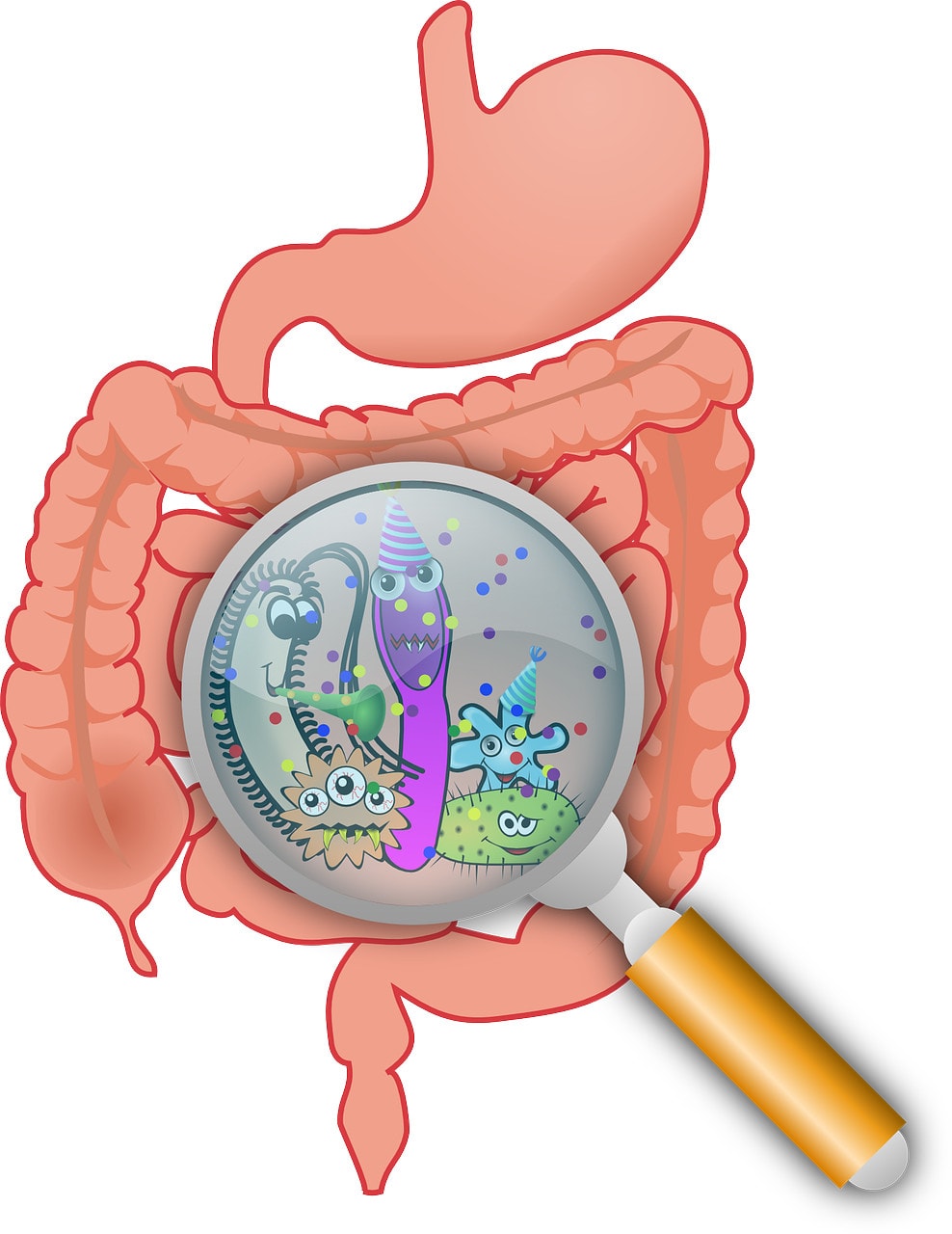
From improved digestion to increased nutrient absorption, discover all of the ways that incorporating a diet including Extra Virgin Olive Oil can benefit your health!

Did you know that the gut microbiome – trillions of bacteria that live in your digestive system – is strongly linked to your overall health? And a healthy diet, such as The Mediterranean Diet, is one of the best ways to support a healthy gut microbiome.

Healthy Eating With Extra Virgin Olive Oil To Boost Your Gut Microbiome

Recent evidence has come to light to support the claim that all diet-related chronic diseases are linked to the microbiome.*1

In today’s blog, we’re going to take a closer look at how diet impacts the gut microbiome, and we’ll discuss some tips for creating a Gut-Healthy Diet.

According to a new review, published in Cell Host & Microbe, presents evidence that shows a link between host gut microbiome, diet, and physiological mechanisms.

Researchers for the study – entitled ‘Rethinking healthy eating in light of the gut microbiome’ said: “It is crucial to identify health-promoting or detrimental foods and dietary patterns and translate the evidence into dietary guidelines.”

“Mechanisms by which the microbiome influences pathophysiology have been identified. These discoveries provide a strong scientific rationale to incorporate the gut microbiome in nutrition research and dietary guidelines.”

Mediterranean Diet With Olive Oil

What Is The Gut Microbiome And How Can Extra Virgin Olive Oil Help?

The Gut Microbiome consists of trillions of microorganisms and their genetic material which lives in your intestinal tract. The role that these microorganisms play is critical to your health and wellbeing. As explained by foodandmoodcentre.com, these bacteria  live in your digestive system and they play a key role in digesting food you eat, and they help with absorbing and synthesising nutrients too. Gut bugs are involved in many other important processes that extend beyond your gut, including your metabolism, body weight, and immune regulation, as well as your brain functions and mood.

Scientists are still trying to fully understand this community of bacteria, viruses, and fungi, but one thing is clear: what we eat affects our gut health. Studies have shown that following a Mediterranean Diet can benefit the gut microbiome, and extra virgin olive oil may be a key player in promoting a healthy gastrointestinal environment.

Not only is it rich in anti-inflammatory compounds, but it also contains nutrients that nourish the friendly bacteria living in our intestines. So, next time you cook up a delicious Mediterranean-inspired meal, remember that you’re not just filling your belly – you’re also supporting your gut health!

How Does Extra Virgin Olive Oil Help The Digestive System

We all have likely heard that extra virgin olive oil is one of the healthiest oil choices for cooking and eating. Extra virgin olive oil is high in fat, but the majority of it is heart-healthy monounsaturated fat, according to the American Heart Association. Choosing extra virgin olive oil over less healthy fats, such as butter, may benefit your heart and lower your cholesterol level. As if these benefits were not enough, extra virgin olive oil may also contribute to healthy digestion.

As soon as we consume extra virgin olive oil like Morocco Gold it has a number of effects all the way along the digestive system. As far back as in ancient times it was recommended for assorted digestive disorders, and its beneficial properties are now being corroborated by epidemiological studies and a wealth of scientific data.

Once you swallow your food, your body takes over by secreting acids and other compounds that help break down the food and transports the nutrients it contains throughout your body. According to M. Carmen Ramirez-Tortosa and Parveen Yaqoob, authors of “Olive Oil and Health,” extra virgin olive oil encourages the production of peptides, which support healthy digestion and aid in nutrient absorption. Regular consumption of extra virgin olive oil will keep your gut working efficiently by taking what it needs for good health and eliminating the rest in your waste.

Extra Virgin Olive Oil & The Stomach

Eating quickly, as well as eating high-fat foods, can cause gastric reflux, or heartburn. Heartburn is characterized by a burning sensation in your stomach, throat or esophagus due to a high concentration of acid from your body attempting to digest these unhealthy types of food. A study published in the 2004 issue of “Gracas y Aceites,” a journal that focuses on the roles of fat and oils in the human diet, notes in that extra virgin olive oil may reduce the secretion of gastric acid.

Extra virgin olive oil reduces the risk of acid reflex and prevents gastric juices from traveling back up from the stomach to the esophagus. Extra virgin olive oil inhibits gastric acid’s motility. Because of this, the stomach’s gastric content releases more gradually and slowly into the duodenum, making one feel more full, having a better digestion, and benefiting full nutrient absorption in the intestine.

Extra Virgin Olive Oil & The Hepatic-biliary System

One of the effects of extra virgin olive oil on the hepato-biliary system is that it is a cholagogue, ensuring optimal bile drainage and full emptying of the gall bladder. Another effect is that it is cholecystokinetic, i.e. it stimulates the contraction of the gall bladder, which is extremely helpful in the treatment and prevention of disorders of the bile ducts. It stimulates the synthesis of bile salts in the liver and it increases the amount of cholesterol excreted by the liver.

In short, owing to its beneficial effect on the muscle tone and activity of the gall bladder, extra virgin olive oil stimulates the digestion of lipids, because they are emulsified by the bile, and it prevents the onset of gallstones.

Extra Virgin Olive Oil & The Pancreas

Your pancreas is often an overlooked part of the digestive system, but it is essential for hormone production and for producing enzymes the small intestine needs to digest your food. Extra virgin olive oil is particularly beneficial to your pancreas because it only requires your pancreas to produce a small amount of digestive enzymes, which means that it is working less, reports the before mentioned study in “Gracas y Aceites.” This benefits your pancreas by keeping it strong and healthy. The June 2000 issue of the “Journal of Epidemiology and Community Health” adds that extra virgin olive oil may also offer protection from pancreatic cancer.

When extra virgin olive oil is consumed, the pancreas releases a small amount of secretion, helping the organ efficiently and effectively carry out its purpose within the digestive system. Researchers recommend extra virgin olive oil to patients who have pancreatic problems, including cystic fibrosis, chronic pancreatitis, pancreatic failure and malabsorption syndromes among others.

Extra Virgin Olive Oil & The Intestines

Your large and small intestines are essential for digesting your food and getting the nutrients throughout your body. Eating extra virgin olive oil in place of less healthy oils can improve the efficiency of your intestines. Extra virgin olive oil also encourages your intestines to absorb more of the vitamins and minerals from the foods you eat, which makes it beneficial for individuals suffering from digestive disorders, reports the 2004 study in “Gracas y Aceites.”

New research is also showing that polyphenols in extra virgin olive oil may help balance the bacteria in our digestive tract; slowing the growth of unwanted bacteria. On this list of polyphenols are: oleuropein, hydroxytyrosol, tyrosol and ligstroside. Some of these polyphenols are specifically able to inhibit the growth of the Helicobacter pylori bacterium; the bacterium that leads to stomach ulcers and other unwanted digestive problems. Yet another category of polyphenols called secoiridoids, continues to be a focus in research on prevention of digestive tract cancers.

Recipes With Extra Virgin Olive Oil For A Healthy Gut

Taking care of the microbes in our guts is one of the best ways to keep our digestive system working well and protect our immune system.  That means packing as many fresh fruit and vegetables, whole grains and Mediterranean staples like Extra Virgin Olive Oil into our cooking as we can.

Recent studies have shown that people who ate diets rich in plant-based foods and fish – akin to the famous Mediterranean diet – had higher collections of inflammation fighting bacteria in their guts.

But perhaps you need some new inspiration to bring those bacteria busting plant-based foods to life?  Well, we at Morocco Gold are very happy to oblige with a selection of our favourite Microbiome friendly recipes.

And, don’t forget, our new harvest of extra virgin olive oil is now available to purchase – meaning you can treat your meals to the freshest flavour direct from our olive groves in the foothills of Morocco’s Atlas Mountains.

  1. Gut Healthy Salad Bowl With Extra Virgin Olive Oil – View Recipe
  2. Soup With Extra Virgin Olive Oil For Gut HealthView Recipe
  3. Chickpea Ratatouille With Extra Virgin Olive OilView Recipe

*1. Copywright William Reed Ltd – All Rights Reserved.

Close