Extra Virgin Olive Oil In Top Foods To Keep Heart Healthy In Winter

Atlantic Diet Boosts Wellbeing

Start 2025 With A Quality Extra Virgin Olive Oil For Multiple Health Benefits

Updated January 8th 2024

Picnic The Mediterranean Diet Way

Summary

  • Extra virgin olive oil makes list of top 15 foods to keep your heart healthy in winter
  • Extra virgin olive oil is a heart-healthy fat with monounsaturated fats that may help lower bad cholesterol levels.
  • Other benefits of quality olive oil consumption include reduced blood pressure and healthy cholesterol levels.
  • The polyphenol content of extra virgin olive oil is a vital contributor to its health benefits.

Contents

  1. Extra Virgin Olive Oil In New Winter Heart Health Heroes List
  2. Polyphenols In Extra Virgin Olive Oil Are Key To Health Benefits
  3. Reduced Of Risk Of Cardiovascular Diseases With Polyphenol-Rich Olive Oil
  4. Other Health Benefits From Regular Olive Oil Consumption

Extra Virgin Olive Oil In New Winter Heart Health Heroes List

Looking after our heart health is vital all year through but including heart-friendly foods like extra virgin olive oil into your winter diet can contribute to cardiovascular health.

A new list of the top 15 foods to keep your heart healthy during winter from East Coast Daily credits olive oil alongside these other heart hero foods;

1. Fatty Fish:
– Cold-water fish like salmon, mackerel, and trout are rich in omega-3 fatty acids, which can support heart health by reducing inflammation and improving cholesterol levels.

2. Nuts and Seeds:
– Almonds, walnuts, chia seeds, and flaxseeds are packed with heart-healthy nutrients, including omega-3 fatty acids, fiber, and antioxidants.

3. Oats:
– Whole oats contain beta-glucans, a type of soluble fiber that helps lower cholesterol levels and supports heart health.

4. Citrus Fruits:
– Oranges, grapefruits, and clementines are abundant in vitamin C and fiber, promoting heart health and boosting the immune system.

5. Dark Leafy Greens:
– Vegetables like kale, spinach, and Swiss chard are rich in vitamins, minerals, and antioxidants, supporting heart function.

6. Berries:
– Blueberries, strawberries, and raspberries are high in antioxidants, fiber, and vitamins, offering heart-protective benefits.

7. Root Vegetables:
– Sweet potatoes and beets are rich in fiber, potassium, and antioxidants, promoting heart health and overall well-being.

8. Garlic:
– Garlic contains allicin, a compound with potential cardiovascular benefits, including blood pressure regulation and cholesterol reduction.

9. Extra Virgin Olive Oil:
Extra virgin olive oil is a heart-healthy fat with monounsaturated fats that may help lower bad cholesterol levels.

10. Green Tea:
– Green tea is rich in antioxidants called catechins, which may have protective effects on the cardiovascular system.

11. Avocado:
– Avocados provide monounsaturated fats, potassium, and fiber, supporting heart health and reducing the risk of cardiovascular diseases.

12. Beans and Legumes:
– Lentils, chickpeas, and black beans are excellent sources of fiber, protein, and nutrients that contribute to heart health.

13. Ginger and Turmeric:
– These spices have anti-inflammatory properties that may benefit heart health and overall well-being.

14. Pomegranates:
– Pomegranates contain antioxidants and polyphenols that may contribute to heart health by reducing inflammation and improving cholesterol levels.

Polyphenols In Extra Virgin Olive Oil Are Key To Health Benefits

Extra Virgin Olive Oil is probably the most extensively researched foodstuff on the planet and the health benefits are evidence based. Thanks to the recent spotlight on the Mediterranean Diet, extensive research has been done on the phytonutrient composition of olive oil. What has been discovered is an extensive list of phytonutrients; one of the most praised is its polyphenols. The amount of polyphenols found in Extra Virgin Olive Oil is truly amazing! Olive oil health benefits are listed below with brief explanation on each.

Polyphenols are a potent antioxidant – one that can decommission a nasty molecule in your body called free radicals. Free radicals can ricochet around inside your body and harm good cells. Antioxidants, such as the polyphenols found in Extra Virgin Olive Oil, work to neutralize free radicals; protecting the body from their harmful antics. These antioxidants circulate in the body, hooking up with free radicals, unstable compounds thought to play a role in more than 60 different health conditions including cancer and atherosclerosis, as well as aging.”

Polyphenols And Free Radicals

Source: Nutrition Advance

Polyphenols, in other words, act as a pretty powerful cell protector inside your body. Extra Virgin Olive Oil like Morocco Gold is rich in polyphenols.

Several of the polyphenols found in olive oil including hydroxytyrosol, oleuropein and luteolin have shown to be especially helpful in avoiding unhealthy blood clotting by keeping our blood platelets in check.

New research is showing that polyphenols in olive oil may help balance the bacteria in our digestive tract; slowing the growth of unwanted bacteria. On this list of polyphenols are: oleuropein, hydroxytyrosol, tyrosol and ligstroside. Some of these polyphenols are specifically able to inhibit the growth of the Helicobacter pylori bacterium; the bacterium that leads to stomach ulcers and other unwanted digestive problems. Yet another category of polyphenols called secoiridoids, continues to be a focus in research on prevention of digestive tract cancers.

In fact the European Food Safety Agency has now approved health claims for Extra Virgin Olive Oil with polyphenol content of more than 250mg / kg. Morocco Gold contains polyphenols well above this level. So here are some of the ways that Morocco Gold Extra Virgin Olive Oil can improve everyday health and well-being.

Reduced Of Risk Of Cardiovascular Diseases With Polyphenol-Rich Olive Oil

Cardiovascular diseases are the top cause of death in the industrialised world. A host of studies have documented that arteriosclerosis is closely linked to eating habits and lifestyle.

“… The lowest rates of death from coronary heart disease are currently recorded in the countries where olive oil is virtually the only fat consumed.”

Professor Francisco Grande Covian

Helps to reduce blood pressure

Certain foods can raise blood pressure besides having an effect on body weight. Along with high blood cholesterol, cigarette smoking, obesity and diabetes, it is one of the main health problems of the developed world.

One in every four adults is hypertensive. This increases the risk of early death because of the damage to the body’s arteries, especially the arteries that supply blood to the heart, kidneys, brain and eyes. Addition of olive oil to a diet has a clear lowering effect on blood pressure. Regular consumption of olive oil decreases both systolic (maximum) and diastolic (minimum) blood pressure.

Help control healthy cholesterol levels

Cholesterol is a fatty substance contained in foods of animal origin. Diets containing a large amount of animal fats raise blood cholesterol level, which is one of the chief risk factors of cardiovascular disease.

Olive oil lowers the levels of total blood cholesterol, LdL-cholesterol and triglycerides. At the same time it does not alter the levels of HbL-cholesterol (and may even raise them), which plays a protective role and prevents the formation of fatty patches and recurrent heart disease.

Other Health Benefits From Regular Olive Oil Consumption

A healthier heart is not the only potential health benefit from regular olive oil consumption. Here is a summary of some of the other benefits to your overall well-being that this liquid gold can bring;

Beneficial effect on ulcers and gastritis

Olive oil reduces the risk of the flow or reflux of food and gastric juice up from the stomach to the oesophagus, the gastric content of the stomach is released more slowly and gradually into the duodenum, giving a greater sensation of “fullness”.

Maintains the digestive tract in good health.

Olive oil produces a small amount of secretion by the pancreas, making this organ “work” little, but efficiently and enough to carry out all its digestive functions. It stimulates the absorption of various nutrients (calcium, Iron, magnesium, etc.).

Olive oil, therefore, is a fat that is digested and absorbed really well. It has choice properties and a mild laxative effect that helps to combat constipation and bad breath.

Olive oil eases or prevents diabetes

An Olive Oil rich diet is not only a good alternative in the treatment of diabetes, it may also help to prevent or delay the onset of the disease. How it does so is by preventing insulin resistance lowering triglycerides and ensuring better blood sugar level control and lower blood pressure.

Olive oil lessens the severity of osteoporosis

Osteoporosis is a reduction in bone tissue mass that increases the risk of fractures. There are two types. Type I occurs in middle-aged, post-menopausal women and type II in the elderly. Olive oil appears to have a favourable effect on bone calcification, and bone mineralisation is better the more olive oil is consumed. It helps calcium absorption, thereby playing an important part during the period of growth and in the prevention of osteoporosis.

Olive Oil during Pregnancy

Post-natal development of babies of mothers who consumed Extra Virgin Olive Oil when pregnant is better in terms of height, weight, behaviour and psychomotor reflexes.

The foetus needs vitamin E to grow. The new-born baby also needs a store of vitamin E to fight against the oxidative stress caused on entering an oxygen atmosphere. Vitamin E is present in sufficient quantity thanks to the resistance of Extra Virgin Olive Oil to oxidation.

So, both the amount and the type of food consumed in the diet during pregnancy play a key part in the metabolic adaptations that occur in the mother and in her functional relationship with the foetus.

Olive Oil and Breast Feeding

It is essential to maintain the levels of this vitamin during breast feeding. Vitamin E is also recommended for premature and new-born infants with kidney or pancreas failure. This is because of the favourable effect it has on the hepato-biliary system. Its ratio of linoleic acid to linolenic acid (essential fatty acids) is similar to that of breast milk.

The beneficial effect of oleic acid lasts beyond pregnancy. Oleic acid also appears to exert a positive influence on growth and bone mineralisation and development during infancy.

Mediterranean And Keto Diets May Both Help Lower Blood Pressure Says Recent Research

Olives as part of Mediterranean Diet heart health

Recent Studies Show Blood Pressure Management Benefits From Two Popular Diets

A 2024 shows the Mediterranean and Ketogenic diets can help lower blood pressure and improve cardiovascular health in overweight or obese people.

Olives as part of Mediterranean Diet heart health

Contents

  1. Recent Research On Best Diets For Blood Pressure Management
  2. What Is The Keto Diet?
  3. How Can The Keto Diet Benefit Blood Pressure?
  4. What Is The Mediterranean Diet?
  5. How Can The Mediterranean Diet Benefit Blood Pressure?
  6. Extra Virgin Olive Oil And The Mediterranean and Keto Diet

Recent Research On Best Diets For Blood Pressure Management

Recent research has shown that high blood pressure, or hypertension, can be managed by a range of lifestyle factors, including adherence to either The Mediterranean or Ketogenic Diets – both of which incorporate healthy fats like extra virgin olive oil.

According to a new study published by Nutrients.

While the DASH diet has traditionally been the go-to diet for hypertension, over the last few years the Mediterranean and ketogenic (keto) diets have also gained in popularity.

For the Nutrients study, researchers recruited 26 adults who had obesity or overweight, had high-normal blood pressure or grade 1 hypertensionTrusted Source, and low-to-moderate cardiovascular risk scores.

Eleven of the study participants were randomly assigned to follow the Mediterranean diet, and the remaining 15 followed the keto diet over a period of three months.

The study concluded that participants in both diet groups experienced a decrease in blood pressure and weight loss after three months.

Scientists also found that those following both diet groups experienced an increase in their fat-free mass — the total mass of the body excluding fat — and a decrease in their body fat, blood lipid levels, and insulin concentrations.

Commenting on the study for MedicalNewsToday, Cheng-Han Chen, MD, a board certified interventional cardiologist and medical director of the Structural Heart Program at MemorialCare Saddleback Medical Center in Laguna Hills, CA — who is not associated with this study said:

 “Nocturnal dipping refers to the natural decrease in blood pressure that occurs when we sleep, it is a measure of healthy blood pressure regulation, and abnormal nocturnal dipping patterns have been associated with increased risk of heart disease.

Further research including larger controlled studies with a more diverse population will be necessary to confirm these findings, and to evaluate for any potential benefit to clinical outcomes.”

Cheng-Han Chen, MD

What Is The Keto Diet?

Keto foods with healthy fats like olive oil

The ketogenic (keto) diet is a high-fat, moderate-protein, and low-carb diet designed to shift the body into a metabolic state called ketosis. Ketosis occurs when your body starts burning fat for energy in the absence of sufficient carbohydrates. Common keto staples include avocados, fatty fish, eggs, nuts, and extra virgin olive oils.

How Can the Keto Diet Benefit Blood Pressure?

The keto diet has been associated with numerous cardiovascular benefits, including improved blood pressure. Here’s how it helps:

  • Weight Loss: Excess weight is a major contributor to high blood pressure. The keto diet’s ability to promote significant weight loss can lead to lower blood pressure levels.
  • Insulin Sensitivity: By reducing blood sugar spikes, the keto diet aids in stabilizing insulin levels, which can have a favorable impact on blood pressure.
  • Anti-Inflammatory Effects: The diet’s focus on healthy fats, such as omega-3s from fatty fish, helps reduce inflammation, another factor in hypertension.

However, it’s crucial to follow the keto diet carefully to avoid nutrient deficiencies and ensure it aligns with individual health needs. Consulting a healthcare professional is always recommended before starting.

What is the Mediterranean Diet?

The Mediterranean diet is inspired by the traditional eating habits of countries bordering the Mediterranean Sea. It emphasizes whole, plant-based foods, lean proteins, and healthy fats. Staples include vegetables, fruits, whole grains, nuts, seeds, fish, and extra virgin olive oil.

How Can the Mediterranean Diet Benefit Blood Pressure?

Recognized as one of the healthiest diets globally, the Mediterranean diet has a proven track record of supporting heart health and managing blood pressure. Here’s why it works:

  • Rich in Heart-Healthy Nutrients: Packed with potassium, magnesium, and antioxidants, the Mediterranean diet includes foods like leafy greens and nuts that are known to help lower blood pressure.
  • Healthy Fats: Incorporating unsaturated fats, particularly from extra virgin olive oil and oily fish, improves cholesterol levels and reduces blood pressure.
  • Balance and Variety: The Mediterranean diet’s balanced approach and reliance on natural foods provide key nutrients without excess sodium, a common contributor to hypertension.

This diet’s flexibility and holistic approach make it especially sustainable for long-term health improvements.

Morocco Gold Extra Virgin Olive Oil And The Mediterranean And Keto Diets

It is generally accepted that the folks in countries bordering the Mediterranean Sea live longer and suffer less than most Americans from cancer and cardiovascular ailments. The not-so-surprising secret is an active lifestyle, weight control, and a diet low in red meat, sugar and saturated fat and high in produce, nuts and other healthful foods, with extra virgin olive oil at its heart.

The Mediterranean Diet including extra virgin olive oil offers a host of health benefits, particularly including weight loss, heart and brain health, cancer prevention, and diabetes prevention and control. By following the Mediterranean Diet, you could also keep that weight off while avoiding chronic disease.

There is not a single Mediterranean diet. Greeks eat differently from Italians, who eat differently from the French and Spanish. But they share many of the same principles and all include extra virgin olive oil as a key constituent.

Whether you lean toward the structured approach of the keto diet or the balanced nature of the Mediterranean diet, both can help improve blood pressure and overall heart health. Remember to consult a healthcare professional to find the plan that works best for you.

What Are The Health Benefits Of Olive Oil For Your Heart?

Olive Oil And Reduced Risk Of Heart Disease

This Valentines Day, Why Extra Virgin Olive Oil Is Your Number One Hero For A Healthy Heart

Updated February 7th 2025

Olive Oil And Reduced Risk Of Heart Disease

Summary

  • As we approach Valentine’s Day, the first thing that comes to mind isn’t usually heart health. However, extra virgin olive oil has a long list of benefits that can help keep your heart healthy and make Valentine’s Day extra special.
  • Loaded with health enhancing polyphenols, extra virgin olive oil helps guard your heart against bad cholesterol while promoting good cholesterol.
  • Studies have shown that extra-virgin olive oil when used as a regular part of one’s diet can play an effective role in minimizing the risks associated with developing coronary artery disease, stroke, high blood pressure and even diabetes.
  • Substituting other fats or oils with extra-virgin olive oil can help you lower the risk of cardiovascular diseases. On top of that, extra virgin olive oil can also aid in weight management and improved digestive health.
  • So why not celebrate Valentine’s Day by adding extra virgin olive oil to some of your recipes? By sharing its health benefits with your special someone on Valentine’s Day, you are showing just why extra virgin olive oil is your number one hero for a healthy heart.

Contents

  1. Extra Virgin Olive Oil In The Mediterranean Diet
  2. Can Olive Oil Really Reduce Risk Of Heart Disease?
  3. More Olive Oil Could Help Reduce Your Risk of Heart Disease
  4. Extra Virgin Olive Oil May Protect Against Stroke
  5. Extra Virgin Olive Oil is the Best Cooking Oil
  6. Want To Know More About Links Between Extra Virgin Olive Oil And Heart Health?

Extra Virgin Olive Oil In The Mediterranean Diet

Extra virgin olive Oil has been proven to reduce risk factors associated with heart disease and ldl cholesterol. Therefore, following the Mediterranean Diet is one of the best steps you can take to improve your heart health.  By reducing the amount of saturated fats in your diet and replacing it with good sources of Oleic acid – such as a high-quality olive oil – you are taking a significant step towards protecting your heart.

Can Olive Oil Really Reduce Risk Of Heart Disease?

The short answer is Yes – especially if it is high quality extra virgin olive oil.

Extra Virgin Olive Oil (EVOO) is the highest quality olive oil available, extracted from the olive fruit without the use of any heat or chemicals. Regular olive oil is refined and stripped of important nutrients and antioxidants.

In contrast, the natural extraction process used to produce Extra Virgin Olive Oil ensures it retains all the nutrients and antioxidants from the olive fruit.

The fat composition of Extra Virgin Olive Oil is also a major contributor to its healthfulness. It’s primarily made up of monounsaturated fat (approximately 73%), a heart healthy fat that is a staple of the Mediterranean diet.

Studies consistently link a diet high in monounsaturated fat with favourable effects on markers of cardiovascular disease (heart disease and stroke). This includes a reduction in markers of chronic inflammation, blood pressure, cholesterol levels and blood glucose levels.

More Olive Oil Could Help Reduce Your Risk of Heart Disease

Cardiovascular Health

Heart disease is the number one cause of premature death worldwide.

Interestingly, populations residing in Mediterranean regions have low rates of mortality (death) from heart disease. While this is due to a combination of factors, their high consumption of Extra Virgin Olive Oil is thought to be a major one.

It appears the active compounds in Extra Virgin Olive Oil have powerful cardio-protective properties, such as helping to lower blood pressure and preventing atherosclerosis (hardening of the arteries).

One giant review study, which included data from over 840,000 subjects, found that those who ate the most olive oil were 9% less likely to have heart issues and 11% less likely to die early compared to those who ate the least olive oil.

Extra Virgin Olive Oil May Protect Against Stroke

Stroke is the second largest killer after heart disease.

It’s closely linked to heart disease and shares many of the same risk factors, such as high cholesterol and high blood pressure.  

One French study that compared olive oil use and stroke incidence that those who consumed the highest amounts of olive oil had a 41% lower risk of stroke. A number of other studies have also found similar results.

These findings make sense because people who use olive oil will likely be replacing other less heart healthy fats in their diet. Combine this with the high antioxidant and monounsaturated fat content in Extra Virgin Olive Oil and it’s clear why it appears to have a favourable impact on cardiovascular health

Extra Virgin Olive Oil is the Best Cooking Oil

Diet For Stroke Prevention

There are a lot of different cooking oils that claim to be the best.

However, when you consider the major factors that influence how an oil reacts to high temperatures – oxidative stability and ratio of monounsaturated fats – Extra Virgin Olive Oil is number one.

While virgin coconut oil has a similar oxidative stability (due to its high saturated fat content), it’s extremely low in antioxidants.

Additionally, if you use an oil regularly you must consider the known health effects of its primary fats. Saturated fat (coconut oil) has zero known benefits while monounsaturated fat (olive oil) appears to significantly benefit heart health in the long run.

Extra Virgin Olive Oil is also more practical for cooking because it comes in a variety of different flavour profiles (much like wine) and can complement both sweet and savoury dishes.

Want To Know More About Links Between Extra Virgin Olive Oil And Heart Health?

Most informed websites will point to the health benefits of regularly taking premium quality Extra Virgin Olive Oil like Morocco Gold. We have often discussed these health benefits with our customers at our tasting events. Many of the people we have met wish to know more, so here we are going to provide the science behind what Extra Virgin Olive Oil actually does and why it is good for you. Let’s start by looking at the cardiovascular system

1/ Structures of the Cardiovascular System

Cardiovascular System

The cardiovascular system is responsible for transporting nutrients and removing gaseous waste from the body. This system is comprised of the heart and the circulatory system. Structures of the cardiovascular system include the heart, blood vessels, and blood. The lymphatic system is also closely associated with the cardiovascular system.

Heart
The heart is the organ that supplies blood and oxygen to all parts of the body. This amazing muscle produces electrical impulses through a process called cardiac conduction. These impulses cause the heart to contract and then relax, producing what is known as a heartbeat. The beating of the heart drives the cardiac cycle which pumps blood to cells and tissues of the body.

Blood Vessels
Blood vessels are intricate networks of hollow tubes that transport blood throughout the entire body. Blood travels from the heart via arteries to smaller arterioles, then to capillaries or sinusoids, to venules, to veins and back to the heart. Through the process of microcirculation, substances such as oxygen, carbon dioxide, nutrients, and wastes are exchanged between the blood and the fluid that surrounds cells.

Blood
Blood delivers nutrients to cells and removes wastes that are produced during cellular processes, such as cellular respiration. Blood is composed of red blood cellswhite blood cellsplatelets, and plasma. Red blood cells contain enormous amounts of a protein called haemoglobin. This iron containing molecule binds oxygen as oxygen molecules enter blood vessels in the lungs and transport them to various parts of the body.

After depositing oxygen to tissue and cells, red blood cells pick up carbon dioxide (CO2) for transportation to the lungs where CO2 is expelled from the body.

Circulatory System
The circulatory system supplies the body’s tissues with oxygen rich blood and important nutrients. In addition to removing gaseous waste (like CO2), the circulatory system also transports blood to organs (such as the liver and kidneys) to remove harmful substances. This system aids in cell to cell communication and homeostasis by transporting hormones and signal messages between the different cells and organ systems of the body. The circulatory system transports blood along pulmonary and systemic circuits. The pulmonary circuit involves the path of circulation between the heart and the lungs. The systemic circuit involves the path of circulation between the heart and the rest of the body. The aorta distributes oxygen rich blood to the various regions of the body.

Lymphatic System
The lymphatic system is a component of the immune system and works closely with the cardiovascular system. The lymphatic system is a vascular network of tubules and ducts that collect, filter, and return lymph to blood circulation. Lymph is a clear fluid that comes from blood plasma, which exits blood vessels at capillary beds. This fluid becomes the interstitial fluid that bathes tissues and helps to deliver nutrients and oxygen to cells. In addition to returning lymph to circulation, lymphatic structures also filter blood of microorganisms, such as bacteria and viruses. Lymphatic structures also remove cellular debris, cancerous cells, and waste from the blood. Once filtered, the blood is returned to the circulatory system.

2/ Extra Virgin Olive Oil And The Cardiovascular System

Lowering your risk of cardiovascular problems is an area upon which several recent studies on Extra Virgin Olive Oil have focused. Chronic inflammation is a risk factor for many types of cardiovascular disease, and Extra Virgin Olive Oil has well-documented anti-inflammatory properties.

One place we don’t want excessive ongoing inflammation is within our blood vessels. Our blood supply is just too important for maintaining the health of all our body systems, and it cannot effective support our body systems when compromised with ongoing inflammation. Given this relationship, it’s not surprising to see cardiovascular benefits of Extra Virgin Olive Oil rising to the top of the health benefits provided by this remarkable oil.

From a variety of different research perspectives we know that daily intake of Extra Virgin Olive Oil in amounts as low as one tablespoon per day reduces inflammatory processes within our blood vessels. By reducing these processes, Extra Virgin Olive Oil also reduces our risk of inflammation-related cardiovascular diseases like atherosclerosis. Yet anti-inflammatory benefits are not the only cardiovascular benefits provided by Extra Virgin Olive Oil. Two other broad types of heart-related benefits are well documented for this oil. The first type is lessened risk of forming unwanted blood clots. While blood clotting is a natural and healthy process required for the healing of wounds and prevention of excessive bleeding, clotting in the arteries can ultimately result in a heart attack or stroke.

One risk factor for unwanted clotting in our arteries is excessive clumping together of our platelet blood cells. This clumping process is also called “aggregation.” Regular incorporation of Extra Virgin Olive Oil into a meal plan has been shown to lessen the risk of this excessive aggregation, and the reason that researchers refer to Extra Virgin Olive Oil as an “anti-aggregatory” oil.

The other broad area of cardiovascular benefits involves improved levels of circulating fats in our bloodstream, as well as protection of those fats from oxygen-related damage. Decreased levels of total cholesterol and LDL cholesterol following consumption of Extra Virgin Olive Oil are findings are the vast majority of studies that have analysed this relationship.

Yet equally important, the cholesterol molecules that remain in our blood also appear to be better protected from oxygen-related damage (oxidation). Since fats and cholesterol belong to a broader technical category called “lipids,” damage to the fats and cholesterol in our blood stream is typically referred to as “lipid peroxidation.” And it is precisely this lipid peroxidation process that gets reduced through incorporation of Extra Virgin Olive Oil into a meal plan.

3/ Cardiovascular Disease

Cardiovascular Disease

Atherosclerosis is the build-up of fatty plaques on the walls of arteries. Fatty plaque known as atheroma (yellow) has built-up on the inner wall and is blocking about 60% of the artery width. Atherosclerosis leads to irregular blood flow and clot formation, which can block the coronary artery resulting in heart attack.

According to the World Health Organization, cardiovascular disease is the leading cause of death for people world-wide. Cardiovascular disease involves disorders of the heart and blood vessels, such as coronary heart disease, cerebrovascular disease (stroke), elevated blood pressure (hypertension), and heart failure.

  • Hypertension – persistently elevated blood pressure (high blood pressure) in the arteries. It is associated with the development of disorders such as atherosclerosis, heart attack, stroke, and can cause kidney damage.
  • Atherosclerosis – artery walls become hardened due to build-up of plaque (fatty deposits). It causes decreased blood supply to tissues and may lead to blood clots, stroke, aneurysm, or heart disease.
  • Aneurysm – a bulging in a weakened area of an artery that could rupture and cause internal bleeding.
  • Coronary artery disease (heart disease) – narrowing or blockage in the coronary arteries, which supply blood directly to the heart muscle. Complete blockage of blood flow will cause a heart attack.
  • Stroke – death of brain cells (neurons) due to lack of blood supply.
  • Heart failure – the heart is not able to supply enough blood to body tissues. It is caused by conditions such as hypertension, heart disease, and cardiomyopathy (chronic disease of the heart muscle).  

It is crucial that the organs and tissues of the body receive proper blood supply. Lack of oxygen means death, therefore having a healthy cardiovascular system is vital for life. In most cases, cardiovascular disease can be prevented or greatly diminished through behavioural modifications. Individuals wishing to improve cardiovascular health should consume a healthy diet, exercise regularly, and abstain from smoking.

Imagine your body as a highly complex, high-performance engine. High quality Extra Virgin Olive Oil like Morocco Gold is natures highest performance engine oil, to keep your body well- tuned and running smoothly over a lifetime.

Why The Best Olive Oil Can Make Your Valentine’s Feast Extra Special

The Gift Of Love With Olive Oil

When you give your heart this Valentine’s day, make sure it’s a healthy one. Share the love of extra virgin olive oil health benefits with your special someone.

Updated 6th February 2025

The Gift Of Love With Olive Oil

Summary

  • Should you give extra virgin olive oil like Morocco Gold as a Valentine’s Day gift? Absolutely! Morocco Gold extra virgin olive oil make a wonderful ‘gift of health’ for food lovers of all ages.
  • When you give Morocco Gold extra virgin olive oil as a gift, you are showing the one you love how much you care for their health and wellbeing, as well as sharing a great taste experience.
  • Olive oil is the fruit of the olive tree which symbolizes peace and harmony, and giving it symbolizes the same peace and harmony with your special loved one.

Contents

  1. Extra Virgin Olive OilIs The Gift Of Health For Valentine’s Day
  2. Cooking with The Best Olive Oil This Valentine’s Day
  3. Chocolate Cake With The Best Olive Oil

Extra Virgin Olive OilIs The Gift Of Health For Valentine’s Day

Valentine’s Day is approaching, and what better way to show you care than gifting the best extra virgin olive oil around to the one you love? Whether you choose to send that special someone their own bottle or incorporate it in your own cooking, a sprinkling of Morocco Gold magic will ensure your Valentine’s Day sparkles.

Valentine’s Day is the perfect occasion to make extra special memories and show some extra love to your, and your special ones heart. For Valentine’s Day, extra virgin olive oil can be the best addition to any meal or recipe. Not only does extra virgin olive oil make food extra flavourful, but it is also great for your heart health.

Being high in monounsaturated fat, it is good for protecting against inflammation and stroke, it also has the potential to reduce one’s risk of heart disease and help keep cholesterol levels low, plus extra virgin olive oil is packed with antioxidants, anti-inflammatory properties and Vitamin E!  The array of health benefits that extra virgin olive oil provides are now widely recognized and appreciated.

As an extra special touch to your Valentine’s day feast, Morocco Gold extra virgin olive oil can bring almost any dish to life with its unique flavour profile. There is no better way to share the love through a healthy meal with extra Virgin Olive Oil this Valentine’s Day!

It is truly a nutritious gesture that will send a message of love to your Valentine’s special heart. Including extra virgin olive oil in your Valentines Day feast can help make your dinner extra special – and show you care at the same time. Nothing spells “love” this Valentine’s Day like the gift of shared extra virgin olive oil.

If you’re a dab-hand in the kitchen and want some ideas for romantic recipes to treat your partner to, read on.  The best extra virgin olive oil makes the perfect treat or accompaniment to your menu.

Cooking with The Best Olive Oil This Valentine’s Day

If you’re a dab-hand in the kitchen and want some ideas for romantic recipes to treat your partner to, read on.  The best extra virgin olive oil makes the perfect treat or accompaniment to your menu.

Roasted Chicken With Lemon, Potatoes And Olive Oil

On Valentine's Day Enjoy A Roast Chicken With Olive Oil
Roast Chicken With Olive Oil

A roast chicken doesn’t have to be a big family affair, and sometimes this simple dish can make for an extremely romantic one if you flavour it right. Instead of a traditional roast dinner, this recipe comes to life with a dressing of basil, butter, lemon zest, garlic and spring onions.

The potatoes, which are as important to the feast as the chicken, are tossed with extra-virgin olive oil and seasoning before being roasted underneath the chicken. The flavours will seep into the potatoes, while a splash of lemon will instantly freshen up a hearty meal.

One of the great things about this dish is you don’t have to mess around preparing it while your loved one is around. Instead, you can put it in the oven and let it cook while you serve some canapés or enjoy a celebratory tipple together. All makes for a romantic Valentine’s day feast.

Spicy Italian mussels and ‘frites’

There is something extremely sexy about seafood, and if your partner enjoys shellfish, this spicy mussels recipe served with homemade fries is ideal.

The addition of pancetta, onion, garlic, olive oil, crushed red pepper and tomatoes really adds a Mediterranean flavour to the meal. Enhance your fries by tossing them with Parmesan for a quick, yet delicious, dinner for two.

Potato gnocchi with pork ragu

While this recipe might be time-consuming if you make the gnocchi from scratch, it is certainly worth it in the end. While preparing the potato gnocchi, you simply have to cook garlic and ground pork in olive oil, before adding tomato puree, dry white wine, chicken stock, parsley, chives and tarragon, waiting patiently before each addition.

Having gnocchi with the sauce makes this meal seem more special; however, it can be easily be replaced with tagliatelle for a much easier, and equally as tasty, alternative.

Chocolate Cake With The Best Olive Oil

Winter Bakes With Olive Oil Or Valentine’s Day
Winter Bakes With Olive Oil

Valentine’s Day meals are not only about the main course, and the dessert is just as important, if not more. Sharing a delicious creamy pudding, a softly whipped ice-cream, or dark chocolate truffles can be extremely romantic, so it is certainly worth considering what to serve as afters if you are preparing a meal on February 14th.

One of our favourite recipes has to be chocolate olive oil cake, as this is rich, scrumptious and deliciously moreish. 

It is made with flour, cocoa, granulated and dark brown sugars, coffee, cider or white vinegar, and extra virgin olive oil. While the ingredients might look like a strange mix, they offer sharpness and flavour that you do not get with ordinary chocolate cakes.

It is the glaze that particularly makes the recipe stand out though, as its icing of chocolate chips, cocoa powder, olive oil, light corn syrup and a pinch of flaky sea salt all melted together and drizzled on top give it that sweet-salty taste that is so popular these days.

This cake can be made a couple of days in advance, which means you don’t have to preoccupy yourself with baking on Valentine’s Day itself, leaving time free for you to prepare your main meal. 

Four Teaspoons Of Olive Oil A Day Can Benefit Heart Health

Shot Of Olive Oil In The Morning

Recent Science Shows Benefits of Daily Shot Of Extra Virgin Olive Oil

Updated 22nd January 2025

Shot Of Olive Oil In The Morning
Four Teaspoons Of Olive Oil In The Morning For Heart Health

Summary

  • Recent report says consuming 20 mls of extra virgin olive oil a day made a noticeable difference to heart health.
  • The study from the University of Glasgow shows a reduction in coronary artery disease (CAD) markers following six weeks of consumption of olive oil with differing levels of phenolics.
  • In comparison to the extra virgin olive oil findings, consuming similar quantities of rapeseed and sunflower oil had no impact whatsoever.
  • Consuming extra virgin olive oil regularly as part of a healthy Mediterranean Diet can improve your overall heart health.

Contents

  1. New Report Shows Link Between Daily Consumption of Olive Oil And Heart Health
  2. Previous Findings Show Effect Of Olive Oil On Heart-Health-Related Biomarkers In Urine.
  3. Benefits of Consuming Extra Virgin Olive Oil Daily
  4. What Makes Morocco Gold Extra Virgin Olive Oil So Special?

New Report Shows Link Between Daily Consumption of Olive Oil And Heart Health

A recent report has brought exciting news for anyone mindful of their heart health. According to research, consuming just four teaspoons of olive oil daily may provide significant benefits for cardiovascular health. Olive oil, specifically extra virgin olive oil, is already celebrated as a staple of the Mediterranean diet, often praised as one of the healthiest in the world. This new revelation only solidifies its role in promoting a healthier heart.

The report connects olive oil’s benefits to its unique composition. Packed with antioxidants, healthy fats, and a rich concentration of polyphenols, extra virgin olive oil can help reduce inflammation and improve overall heart function. But how does it deliver these benefits? It comes down to several biological mechanisms that olive oil helps regulate.

Consuming four teaspoons of extra virgin olive oil a day could have a significant improvement on your heart health, according to a new study.

The report, which adds to previous findings from Dr Bill Mullen, a senior research fellow of cardiovascular and metabolic health at the University of Glasgow, finds olive oil to be the only common cooking oil with a positive impact on heart health.

Researchers at the Glasgow based study found that just six weeks of consuming 20 mls of olive oil a day made a noticeable difference to heart health. In comparison, consuming similar quantities of rapeseed and sunflower oil had no impact whatsoever.

Dr Mullen told Huffpost:

[The olive oil] results were like hitting the jackpot as far as I was concerned. Although I knew the science, it is extremely rare in nutritional research to see such strikingly positive results.

Both extra virgin olive oil and olive oil produced significant changes after only six weeks, a change of 0.3 in the coronary artery disease biomarker score. 

Dr Bill Mullen

Previous Findings Show Effect Of Olive Oil On Heart-Health-Related Biomarkers In Urine. 

Past studies have also demonstrated extra virgin olive oil’s positive impact on biomarkers linked to heart health. For instance, researchers have identified changes in biomarkers found in urine—such as indicators of oxidative stress and inflammation—among participants who include extra virgin olive oil in their diets. Polyphenol-rich olive oil, in particular, has been shown to significantly lower these markers, making it an important addition to any heart-conscious lifestyle. These biomarkers are essential to understanding why olive oil is so effective. They indicate the body’s oxidative damage, which, if unaddressed, can lead to heart-related diseases like atherosclerosis or hypertension. By reducing oxidative stress, the polyphenols in olive oil actively preserve your cardiovascular system.

According to a report in Sytlist.co.uk, Dr Mullen and his team had previously shown that  olive oil can have a tangible impact on the presence of heart-health-related ‘biomarkers’ in urine. These biomarkers are protein fragments which can indicate the development of coronary artery disease (CAD) before symptoms have even started. 

Researchers for this 2014 study recruited 69 healthy volunteers who were split into two groups and asked to consume 20ml of olive oil either low or high in phenolics every day over a six-week period. A particular feature of the study was the target group studied: healthy individuals who did not regularly consume olive oil.

The results showed that both groups saw a big improvement in scores for CAD – the most common form of heart disease. The proteomic biomarkers developed for clinical diagnosis by private firm Mosaiques Diagnostics produces a CAD scoring system from 1: the ultimate case of CAD to -1: the ultimate healthy artery.

The group taking the low phenol olive oil saw a drop in CAD score from -0.5 to -0.8 while the high phenol group saw a reduction from -0.6 to -0.8.

Of these results, Dr Bill Mullen said: “If we are able to identify the early signatures of diseases before they have had a chance to take hold we can start to treat them before they become a problem requiring costly medical intervention.

However, the team had not applied this measurement technique to other cooking oils – and that’s what the new study set out to do. 

Benefits of Extra Virgin Olive Oil Daily

Adding four teaspoons of extra virgin olive oil to your daily routine can improve your heart health in numerous ways:

  • Rich in monounsaturated fats: Extra virgin olive oil is a primary source of healthy fats, which have been proven to lower LDL (bad cholesterol) levels while maintaining or even raising HDL (good cholesterol) levels.
  • Abundance of polyphenols: These powerful antioxidants combat free radicals, decrease inflammation, and improve arterial function, all of which reduce the risk of heart disease.
  • Lower blood pressure: Regular consumption of olive oil has been linked to reductions in blood pressure, a leading element of cardiovascular risk.
  • Enhanced anti-inflammatory properties: Chronic inflammation is a key contributor to heart disease. The antioxidants in olive oil work to counteract inflammation, supporting healthier heart function.
  • Improved endothelial function: Olive oil helps maintain the inner lining of blood vessels, ensuring fluids flow as they should and reducing the risk of clots or blockages.

These benefits make extra virgin olive oil an essential addition to any heart-friendly diet.

Extra virgin olive oil is a healthy fat that has numerous health benefits. It’s important to consume extra virgin olive oil every day, and the recommended amount is one shot (tablespoon), which equals approximately 23 grams. extra virgin olive oil can be used in cooking, as a dressing for salads, or simply taken alone as a shot. Extra virgin olive oil is also a good source of antioxidants. So make sure to include extra virgin olive oil in your diet every day (ideally four teaspoons of olive oil)!

If you want to get the health benefits of olive oil such as reduced risk of heart disease, lower ldl cholesterol and others, you can include extra virgin olive oil as part of a healthy diet, like the Mediterranean Diet or increasingly popular Keto Diet. You can also have ‘a shot’ first thing in the morning.

What Makes Morocco Gold Extra Virgin Olive Oil So Special?

The high polyphenol content of Morocco Gold extra virgin olive oil is dependent on three factors. First is the variety of the olive, secondly the climate and terroire of the growing region and thirdly the actual time in the growing season that the crop is harvested.

Morocco Gold is pressed from the Picholine Marocaine, the only type of olive to go into Morocco Gold. Oil from this variety is renowned for it’s high polyphenol count, oxidative stability and longevity.

  • Polyphenol-rich and cold-pressed: Morocco Gold is packed with polyphenols—ensuring you receive the antioxidant power essential for heart health. Additionally, our olives are cold-pressed to maintain their nutrient content.
  • Unparalleled quality and taste: Made with the finest Moroccan Picholine olives, this extra virgin olive oil delivers smooth, fresh, and fruity flavors that elevate every dish.
  • Free from additives: Morocco Gold features no artificial ingredients, guaranteeing a pure and natural product filled with health benefits.
  • Commitment to sustainability: Sourced responsibly, our production process ensures minimal impact on the environment while delivering the highest-quality product to your home.

Whether you drizzle it over salads, use it in cooking, or add it as a finishing touch to your favorite dishes, Morocco Gold Extra Virgin Olive Oil makes supporting your heart health both simple and delicious.

Ripe Olive Trees Free Of Xyella

Our olives are grown in a valley that is about 2,000 feet above sea level. This helps to create the additional climatic challenges that encourage polyphenol uptake within the olive tree. It is also an area with naturally occurring high phenols in the soil itself.

In soils, phenols are released over extended period of time from decomposing plant materials. This causes complex organic compounds to be slowly oxidized or to break down into simpler forms of sugars, amino sugars, aliphatic and phenolic organic acids. These are further transformed into microbial biomass or are reorganized, and further oxidized, into humic assemblages (fulvic and humic acids), which bind to clay minerals.

There has been a long debate about the ability of plants to uptake humic substances through their root systems and to metabolize them. There is now a consensus about how humus plays a hormonal role rather than simply a nutritional role in plant physiology. Olive trees grown in ‘challenging’ conditions encourage the uptake of naturally occurring phenols in the soil. This in turn aids the circulatory system within the olive tree, with the phenols eventually finding their way to the olive fruit itself.

Thirdly, our olives are picked when the fruit is young and green. As the olives age on the tree, the colour of the olive changes to red and then black, the size of the olive increases thus producing more oil, but the polyphenol level decreases. There is a great deal of expertise within the farming community where we source our oil to ensure that the harvest is collected at the optimum time to maximise the polyphenol level.

Health Benefits Of Olive Oil

Extra Virgin olive oil is the go-to cooking oil for health-conscious food lovers and those wanting to cook healthily and lose weight. Mostly everyone who has ever read about a diet or has looked up for healthy food recipes is familiar with olive oil and its heart-healthy properties.

Include Morocco Gold Extra Virgin Olive Oil In Your Diet This American Heart Month

February Is American Heart Month. Template For Background, Banne

Exploring The Benefits Of Adding A Drizzle Of Extra Virgin Olive Oil To Your Diet

Updated January 15th 2025

Using Olive Oil For Cooking

Summary

Contents

  1. The Science Behind Extra Virgin Olive Oil For Better Heart Health
  2. The Role Of Extra Virgin Olive Oil In Combating Cardiovascular Diseases
  3. Why Choose Olive Oil for Heart Health?
  4. Polyphenols In Extra Virgin Olive Oil
  5. Extra Virgin Olive Oil, The View Of The American Heart Association
  6. Easy Ways to Add Olive Oil to Your Diet

As we look towards American Heart Month in February, it’s an ideal time to remind you of the ever-growing band of scientific research and evidence to show that extra virgin olive oil can help boost your heart health.
During a month when many people of all ages and backgrounds may focus on their cardiovascular health, why is this so important and how exactly can foods like extra virgin olive oil help?

The Science Behind Extra Virgin Olive Oil For Better Heart Health

Did you know, February is American Heart Month. A time when all people of all ages and backgrounds should focus on their cardiovascular health. Why is this so important?

In 2016, the Milken Institute reported that the total cost for direct healthcare for chronic illnesses in the USA totalled $1.1trillion, the equivalent of 5.8% of the USA’s GDP, with cardiovascular disease the most prevalent condition accounting for some $294.3Bn or almost 27% of this total.

When the total indirect cost of lost economic productivity are included, the total cost of chronic disease rises to a staggering $3.7trillio, the equivalent of 19.6% of USA GDP.

The report went on to project the cost of these chronic illnesses is set to rise and that by 2030 an estimated 83.4m people will be suffering from 3 or more chronic illnesses compared with 30.8m in 2015.

(The Milken Institute is an independent economic think tank based in Santa Monica, California. It publishes research and hosts conferences that apply market-based principles and financial innovations to social issues in the US and internationally).

So cardiovascular disease and mortality are increasing in working-age adults, however, there are small steps and lifestyle choices that can have a significant impact.

The Role Of Extra Virgin Olive Oil In Combating Cardiovascular Diseases

The ancient Greeks were on to something when they referred to extra virgin olive oil as an “elixir of youth and health.” Centuries later, research offers evidence about the benefits of olive oil in our daily diets.

Extra virgin olive oil, sunflower oil and canola oil are high in monounsaturated fat (the healthy-for-you kind of fat). So what would put extra virgin olive oil above the others if their fat make-up so similar? It’s not just about the kind of fat molecules that they are made up of. Extra virgin olive oil has some extra magic. The biggest thing that makes extra virgin olive oil so healthy is its unique disease-fighting component.

Thanks to the recent spotlight on the Mediterranean Diet, extensive research has been done on the phytonutrient composition of olive oil. What has been discovered is an extensive list of phytonutrients; one of the most praised is its polyphenols. The amount of polyphenols found in extra virgin olive oil is truly amazing!

Why Choose Olive Oil for Heart Health?

When it comes to protecting your heart, olive oil is a powerhouse. Research consistently shows that extra virgin olive oil offers a host of benefits, making it a key ingredient for those committed to a heart-healthy diet. Here’s why:

1. Rich in Healthy Fats

Olive oil, particularly extra virgin olive oil, is loaded with monounsaturated fats, which are known to reduce levels of LDL (bad) cholesterol while increasing HDL (good) cholesterol. This balance helps lower the risk of heart disease.

2. Packed with Antioxidants

Extra virgin olive oil contains polyphenols, powerful antioxidants that combat oxidative stress and inflammation—two major contributors to heart disease.

3. Supports Artery Health

Regular consumption of olive oil improves the elasticity of your arteries and promotes better blood flow, reducing the risk of hypertension.

4. Proven by Studies

The PREDIMED study, a landmark trial on the Mediterranean diet, showed that individuals who consumed extra virgin olive oil daily lowered their risk of major cardiovascular events by 30%.

Polyphenols In Extra Virgin Olive Oil

Polyphenols are a group of over 500 phytochemicals, which are naturally occurring micronutrients in plants. These compounds give a plant its colour and can help to protect it from various dangers. When you eat plants with polyphenols, you reap the health benefits as well.

Polyphenols are a key component in extra virgin olive oil and are considered to be one of the best health enhancing benefits within the oil. Many of the fruits and vegetables we consume contain large numbers of compounds critical for life. One such type of compound is known as antioxidants. Polyphenols are powerful antioxidants.

So how do antioxidants fit into the grand scheme of our bodies and our health? Antioxidants are chemicals known to be ‘molecular scavengers’ that help neutralize oxygen free radicals, thus preventing oxidative stress from occurring. There are hundreds of known antioxidants, some of which we consume in our daily diets:

  • Vitamin A
  • Vitamin C
  • Vitamin E
  • Selenium
  • Manganese
  • Carotenoids
  • And….POLYPHENOLS?

It’s also thought that polyphenols contribute to keep the body being in an anti-inflammatory state. This is also associated with a lower risk of several chronic illnesses, including cardiovascular disease.

Extra Virgin Olive Oil, The View Of The American Heart Association

Consuming more than half a tablespoon of olive oil a day may lower heart disease risk, a 2020 study found. And earlier this year, researchers reported in the Journal of the American College of Cardiology that people who ate more than half a tablespoon per day had lower rates of premature death from cardiovascular disease, Alzheimer’s disease and other causes compared to people who never or rarely consumed olive oil.

“Olive oil is the hallmark of the Mediterranean diet, and its link to lower mortality is well established in southern European countries. But this is the first long-term study to show such a health benefit here in the U.S.,” said Dr. Frank Hu, the study’s senior author and a professor of nutrition and epidemiology at Harvard T.H. Chan School of Public Health in Boston.

Among all edible plant oils, olive oil has the highest percentage of monounsaturated fat, which lowers “bad” LDL cholesterol and increases “good” HDL. It’s been shown to lower blood pressure and contains plant-based compounds that offer anti-inflammatory and antioxidant properties known to reduce the disease process, including heart disease.

When cooking, extra virgin olive oil can be a healthy substitute for butter, margarine and other types of fat. In Hu’s study, for example, replacing unhealthy fats with olive oil was associated with a lower risk of dying.

“Olive oil is a much healthier replacement for dietary fats, especially animal fats,”

Dr. Frank Hu, Harvard T.H. Chan School of Public Health in Boston.

Easy Ways to Add Olive Oil to Your Diet

Making olive oil a part of your daily meals doesn’t require a complete overhaul of your diet. Here are some simple and tasty ways to incorporate it into your routine:

1. Drizzle, Don’t Pour

Use a drizzle of extra virgin olive oil to elevate the flavor of your salads, roasted vegetables, or grain bowls. Not only do you enhance the taste, but you also make your meals richer in healthy fats.

2. Swap Out Less Healthy Fats

Replace butter or margarine with olive oil when cooking or baking. For instance, sauté vegetables in olive oil instead of butter or use it as a healthier alternative in your baking recipes.

3. Dip Your Bread

Transform your bread basket into a heart-healthy treat. Mix olive oil with your favorite seasonings for a quick and nourishing dip.

4. Roast to Perfection

Use olive oil to coat your vegetables before roasting. Its high smoke point and rich flavor make it ideal for oven-cooked dishes.

5. Make Your Own Dressing

Skip the store-bought salad dressings full of preservatives and create your own. Combine olive oil, balsamic vinegar, lemon juice, and a touch of mustard for a flavorful and healthy dressing that goes with everything.

Why Morocco Gold Extra Virgin Olive Oil Supports Health and Wellness

Wellness Plan As Important As A Health Plan

Why A Wellness Plan Is As Important As A Health Plan

Updated December 12th 2024

Wellness Plan As Important As A Health Plan

Summary

Contents

  1. Why Extra Virgin Olive Oil Should Be at the Heart of Your Wellness Plan
  2. Wellness and Morocco Gold Extra Virgin Olive Oil
  3. Why Your Wellness Plan Starts With a healthy Mediterranean breakfast.
  4. A Shot of Extra Virgin Olive Oil In The Morning
  5. Polyphenols: The Magic Ingredient In Morocco Gold Extra Virgin Olive Oil
  6. What Is In 1 Tablespoon Of Extra Virgin Olive Oil?
  7. Why Choose Morocco Gold?

Why Extra Virgin Olive Oil Should Be at the Heart of Your Wellness Plan

When it comes to wellness, there’s no magic shortcut. It’s all about small, sustainable habits that nourish your body, mind, and soul. One of the simplest adjustments you can make to enhance your wellness efforts is transitioning to extra virgin olive oil as a dietary staple. More than just a cooking ingredient, EVOO, particularly high-quality options like Morocco Gold, is a true elixir for health-conscious individuals and wellness seekers.

Most people think of wellness as a way to achieve or maintain physical health. But, at Morocco Gold, we know that wellness is about more than just your body. It’s also about your mind and spirit. Wellness is about being healthy in all aspects of your life. It’s about making choices that support your well-being. And it’s not something that you do once and forget about. It’s a continuous journey that requires effort and commitment. So why is wellness important? There are plenty of reasons, but here are just some:

  1. Wellness makes you feel good, because it can help you manage stress.
  2. Wellness can boost your immune system.
  3. Increases your productivity.
  4. Reduces reliance on healthcare system.

So, what does wellness mean to you and what steps can you take to promote your own wellness?

Wellness and Morocco Gold Extra Virgin Olive Oil

You don’t have to guess when it comes to incorporating extra virgin olive oil into your life—its benefits are backed by extensive scientific research. Morocco Gold EVOO takes this one step further by offering a premium oil extracted from the finest olives, hand-picked in the Moroccan region known for its fertile soil. Free of chemicals and additives, its purity and authenticity make it not just a choice, but the best choice for those pursuing a healthier lifestyle.

What Is Wellness?

Before we deep-dive into how our extra virgin olive oil champions wellness, it’s crucial to define what “wellness” really means.

Wellness is more than just the absence of illness. It’s the active pursuit of activities, choices, and lifestyles that lead to a state of holistic health. This involves a balance of physical health, emotional well-being, and sustainable habits, all underpinned by mindful nutrition.

For many, the Mediterranean diet stands as a gold standard when it comes to maintaining wellness. At its heart is the vibrant, unprocessed, and nutrient-filled liquid gold—extra virgin olive oil.

According to the Global Wellness Institute,  the key tenets of wellness as both preventive and holistic can be traced back to ancient civilizations from the East (India, China) to the West (Greece, Rome). In 19th-century Europe and the United States, a variety of intellectual, religious and medical movements developed in parallel with conventional medicine.

Together these movements focus on holistic and natural approaches, self-healing and preventive care and have provided a foundation for what we understand as the modern-day phenomenon of ‘wellness’. 

Morocco Gold were delighted to be announced as an Ambassador for The Global Wellness Institute this month, recognising our commitment to improving wellness due to the health benefits of the best extra virgin olive oil.

Our support of The Global Wellness Institute demonstrates our shared vision to transform the health and wellness of people, communities, and the planet, also to eradicate preventable diseases worldwide.

Why Your Wellness Plan Starts With a healthy Mediterranean breakfast.

A healthy and nutritious breakfast, like a plant-based or Mediterranean diet can help increase your chances of living a long and healthy life, according to a recently article from wellandgood.com  

Based on the findings of author Dan Buettner, whose pioneering research on longevity hotspots or ‘blue zones’ lifts the lid on how we can potentially extend our life quality and duration, the article recommends a breakfast of foods which reduce blood pressure and cholesterol as one of 4 key choices.

The Mediterranean diet, which includes an emphasis on healthy ‘monounsaturated fats’ found in foods such as extra virgin olive oil, is known to help prevent a wide range of diseases such as cardiovascular disease or stroke.

Also listed in the article, entitled 4 Morning Habits of the Longest-Living People in the World, are:

  • Finding your ‘ikigai’ (the Japanese concept of what drives you to get up and out of bed in the morning.
  • Enjoying a cup of morning coffee – ideally with a plant-based milk alternative and natural sweetener.
  • Say something nice to the first person you see.  Self-explanatory this one but Buettner starts each morning by literally complimenting others.

One of the easiest ways to introduce EVOO into your diet is through your morning routine. A healthy Mediterranean breakfast lays both a flavourful and healthful foundation for the day ahead. Here’s why it’s the perfect starting point for your wellness plan:

Quick Mediterranean Breakfast Ideas to Try:

  • Greek Yogurt Bowl with honey, fruits, nuts, and a drizzle of Morocco Gold EVOO.
  • Avocado Toast topped with cherry tomatoes, a squeeze of lemon, and a touch of salt.
  • Quinoa Breakfast Bowl mixed with fresh greens, poached eggs, and EVOO.
  • Simple Olive Oil Cake for slow mornings with your coffee.

A Shot of Extra Virgin Olive Oil In The Morning

Shot Of Olive Oil In The Morning

If you like the sound of Buettner’s teachings and want to incorporate a Mediterranean start to your day, one of the best ways to do so is by drinking extra virgin olive oil, first thing in the morning.  This is a quick and easy way to boost your daily intake of antioxidants and healthy fats. Drinking a shot of olive oil in the morning can be good for your skin, throat and help as part of a wellness plan.

Polyphenols: The Magic Ingredient In Morocco Gold Extra Virgin Olive Oil

The level of polyphenols present in Morocco Gold varies slightly from year to year, depending on a range of factors, weather, time of harvesting and processing etc.

This year we are pleased to say the level of polyphenols is the highest we have yet seen. Our latest harvest polyphenol content is 644mg / kg.

So How Much Extra Virgin Olive Oil Should I Take Each Day As Part Of My Wellness Plan?

Each Morocco Gold Extra Virgin Olive Oil bottle size is 500ml (16.9 fl.Oz.USA). There are around 35 tablespoons in each bottle (1 tbs. = 14.3ml).

What Is In 1 Tablespoon Of Extra Virgin Olive Oil?

One serving or 1 tablespoon of extra-virgin olive oil contains the following:

  • 120 calories
  • 10 grams of monounsaturated fat
  • 2 grams of saturated fat
  • 2 grams of polyunsaturated fat
  • 1.9 milligrams of vitamin E (10 percent of Daily Value)
  • 8.1 micrograms of vitamin K (10 percent of DV)

European Food Safety Agency Recommendation

The European Food Safety Agency regulation states that extra virgin olive oil with a polyphenol level of 250mg / kg and above can make health claims. However, it is also very specific about which polyphenols this applies to. It specifically states that this must include hydroxytyrosol and its derivatives, (oleuropein and tyrosol). So long as these polyphenols are present, the beneficial effects can be obtained with a daily intake of around 20ml of olive oil.

At this level of polyphenol, 1 tablespoon will have around 7.1 mg/kg (250 / 35) So to get the health benefits you would need to take around 3 tablespoons per day.

Because the concentration of polyphenols in Morocco Gold is much higher than the standard, you will get the associated health benefits with around 2 tablespoons per day.

Due to the numerous health benefits of extra virgin olive oil it is typically used in cooking,but eating or drinking it raw is even healthier. A lot of health experts recommend drinking extra virgin olive oil in the morning, here’s why:

Extra Virgin Olive Oil Helps in Weight Loss

The idea of consuming olive oil this way comes from the Mediterranean diet, which, despite its share of naysayers, has been found to be effective. Olive oil has an acid called oleic acid, which gives the feeling of fullness and promotes the feeling of satiety.

Extra Virgin Olive Oil Aids Detoxification

The idea of a digestive cleanse has been denounced by some health experts. But as per few experts, an olive oil and lemon detox cleanse has benefits for the digestive system in the short term.

Extra Virgin Olive Oil Helps Prevent Colon Cancer

According to various studies, drinking extra virgin olive oil may prevent the formation of free radicals in the body, and reduce the incidence of colon cancer. This is because olive oil is full of antioxidants.

Extra Virgin Olive Oil Help Promote Healthy Skin

Anything full of antioxidants is always great for the skin. Just like Vitamin E, antioxidants also slow the ageing of skin. Olive oil has an abundance of both of these.

So now you know! All you need to do, to make the most of this amazing morning tonic, is to take the juice of a ripe lemon and add it to a tablespoon of extra virgin olive oil, and drink it up! The better the quality of olive oil, the more beneficial this exercise will be for you. You can also add a little bit of water to make the mixture more palatable and improve its cleansing properties.

Why Choose Morocco Gold?

Quality matters when it comes to reaping the full benefits of extra virgin olive oil. Morocco Gold takes pride in its rich aroma, low acidity, and vibrant taste, all while preserving the integrity of authentic, cold-pressed extra virgin olive oil. It’s the perfect companion for health enthusiasts and food lovers alike.

Start Your Wellness Journey with Every Drizzle

Making that initial commitment to health can feel overwhelming, but sometimes all it takes is one small change. By placing extra virgin olive oil, like Morocco Gold, at the heart of your wellness plan, you introduce a simple, flavourful, and profoundly beneficial component to your life.

Are you ready to transform your mornings and beyond? Incorporate Morocco Gold into your daily routine and experience the path to ultimate wellness—one drizzle at a time.

Discover the benefits of Morocco Gold Extra Virgin Olive Oil today.

New Study Explores Olive Oil Heart Health Benefits In More Detail

What Is The Fatty Acid Content Of Extra Virgin Olive Oil

More Good News For Extra Virgin Olive Oil And Heart Health

What Is The Fatty Acid Content Of Extra Virgin Olive Oil

Summary

  • A new study brings further evidence to support the benefit of plant-based fats like olive oil for heart health.
  • Research in Journal of the American Heart Association shows consuming extra virgin olive oil decreased LDL which is linked to heart disease.
  • Polyphenol-rich olive oil contains antioxidants which reduce oxidative stress and inflammation, both of which are major contributors to heart disease.

Contents

  1. New Study Explores Known Health Benefits Of Olive Oil For Heart Health
  2. The Importance Of Healthy Plant-Based Fats Like Olive Oil For Cholesterol Management
  3. Polyphenol-Rich Olive Oil and Heart Health
  4. The Role of Omega-3 and Omega-6 Fatty Acids
  5. The Future of Heart Health and Nutrition

New Study Explores Known Health Benefits Of Olive Oil For Heart Health

A new study has added further evidence to the guidance that extra virgin olive oil contains a multitude of health benefits.

The latest research highlights an exciting revolution in this space—plant-based fats like extra virgin olive oil are emerging as powerhouses for promoting heart health. This blog post dives deep into the evidence backing these claims, offering nutrition lovers and health enthusiasts valuable insights on why incorporating plant-based fats into your diet could be the key to a healthier, happier heart.

According to a new Florida Study, published in the Journal of the American Heart Association, found further evidence of the benefits of consuming extra virgin olive oil to heart health.
During the study – entitled ‘Recipe for Heart Health’ – 40 participants at risk for cardiovascular disease were randomly assigned to consume either a “low” amount (less than a teaspoon) of extra virgin olive oil or a “high” amount (four tablespoons) each day. After a one-week “washout” period, the participants switched and followed the other olive oil regimen for four weeks. Participants also adhered to whole-food, plant-based or vegan diets that were not low in fat.

UF’s researchers found that no matter the amount, consuming extra virgin olive oil decreased LDL, or “bad,” cholesterol, which has been linked to heart disease. The research is published in the Journal of the American Heart Association.

As summarised in a MedicalExpress.com report,

Researchers also learned that while consuming olive oil daily helps, other elements of someone’s diet may play a more significant role in achieving health benefits. For example, people who consumed low amounts of olive oil, but also limited foods such as red and processed meats, added sugars, and saturated fats and ate plant-based fats such as avocados, nuts, seeds and olives had more significant reductions in LDL cholesterol than participants who just consumed high amounts of olive oil.

The Importance Of Healthy Plant-Based Fats Like Olive Oil For Cholesterol Management

Overall, the Florida study’s researchers found that source of dietary fat had a significant impact on cholesterol levels. Healthy fats derived from whole-plant-based fats was more beneficial for reducing cholesterol than getting it from olive oil alone. The UF team plans to use data to produce additional research articles on cooking, diet quality, mood and quality of life.

Plant-based fats, particularly those found in foods like extra virgin olive oil and nuts, are rich in essential nutrients that support overall well-being. Unlike the saturated fats found in animal products, plant-based fats provide health benefits that go beyond just culinary delight. They’re packed with polyphenols and other compounds that help reduce inflammation and improve cholesterol levels—two critical factors in maintaining heart health.

The Science Behind Plant-Based Fats

Research has consistently shown that diets high in plant-based fats are linked to better heart health. Studies indicate that people who consume more plant-based fats, such as those found in extra virgin olive oil, tend to have lower levels of bad cholesterol (LDL) and higher levels of good cholesterol (HDL). This balance is crucial for preventing plaque buildup in the arteries, which can lead to heart disease.

Polyphenol-Rich Olive Oil and Heart Health

Extra virgin olive oil, a staple in Mediterranean diets, is often hailed as a heart-healthy elixir. This oil is rich in monounsaturated fats and polyphenols, which have been shown to reduce the risk of heart disease. A study published in the New England Journal of Medicine found that individuals who included extra virgin olive oil in their diet had a significantly lower risk of heart attacks and strokes compared to those who did not.

Polyphenols are powerful antioxidants found in high concentrations in extra virgin olive oil. These compounds play a crucial role in reducing oxidative stress and inflammation, both of which are major contributors to heart disease. Research from the Journal of Nutritional Biochemistry suggests that polyphenol-rich olive oil can improve endothelial function, which is vital for maintaining healthy blood vessels.

The Role of Omega-3 and Omega-6 Fatty Acids

Plant-based fats are also a great source of omega-3 and omega-6 fatty acids, essential fats that our bodies cannot produce on their own. These fatty acids are known for their anti-inflammatory properties and their ability to lower blood pressure. Flaxseeds, chia seeds, and walnuts are excellent sources of these healthy fats.

The Future of Heart Health and Nutrition

The future of heart health lies in our ability to adapt and incorporate scientifically-backed dietary habits. Plant-based fats are at the forefront of this nutritional revolution. As research continues to unveil the myriad benefits of these fats, it’s clear that they have a significant role to play in preventing heart disease and promoting overall well-being.

Plant-based fats offer a path to better heart health that is backed by robust scientific evidence. From extra virgin olive oil to polyphenol-rich olive oil, these fats provide essential nutrients that support heart function, reduce inflammation, and improve cholesterol levels. By making simple dietary changes and choosing plant-based fats over animal fats, you can take a proactive step towards a healthier heart and a healthier life.

Explore the benefits of plant-based fats today and take charge of your heart health. For personalized dietary advice and expert tips, consider booking a consultation with a nutritionist who can guide your transition to a heart-healthy diet. Your heart will thank you!

Extra Virgin Olive Oil Makes New List of Top Foods For Blood Pressure

Diet Choices To Lower Blood Pressure

Choose Morocco Gold Extra Virgin Olive Oil To Help Control Blood Pressure

Updated September 3rd 2024

Diet Choices To Lower Blood Pressure

Summary

  • Extra virgin olive oil is an excellent choice for helping to control blood pressure says report on Today.com
  • Studies have shown that consuming extra virgin olive oil regularly can help decrease both systolic and diastolic blood pressure.
  • The best quality olive oil is high in polyphenols and oleic acid, which may help reduce overall risk factors, like blood pressure, for heart disease.

Contents

  1. Can Extra Virgin Olive Oil Help Control Your Blood Pressure?
  2. Why Diet Can Be As Crucial As Medication For Healthy Blood Pressure
  3. Why Extra Virgin Olive Oil Is One of Top Foods For Blood Pressure Control
  4. Morocco Gold Extra Virgin Olive Oil And Blood Pressure Control
  5. Morocco Gold Extra Virgin Olive Oil Is High In Polyphenols
  6. What Other Foods Can Lower Blood Pressure?

Can Extra Virgin Olive Oil Help Control Your Blood Pressure?

Extra virgin olive oil has made the list of top foods to maintain healthy blood pressure, according to a new report on Today.com

The list, which includes 16 other essential foods to reduce blood pressure, describes extra virgin olive oil as the optimal fat choice in the management of hypertension.

Extra virgin olive oil (EVOO) is a staple in Mediterranean diets, which are renowned for their cardiovascular benefits. But can it really help control your blood pressure? The answer is increasingly leaning towards yes.
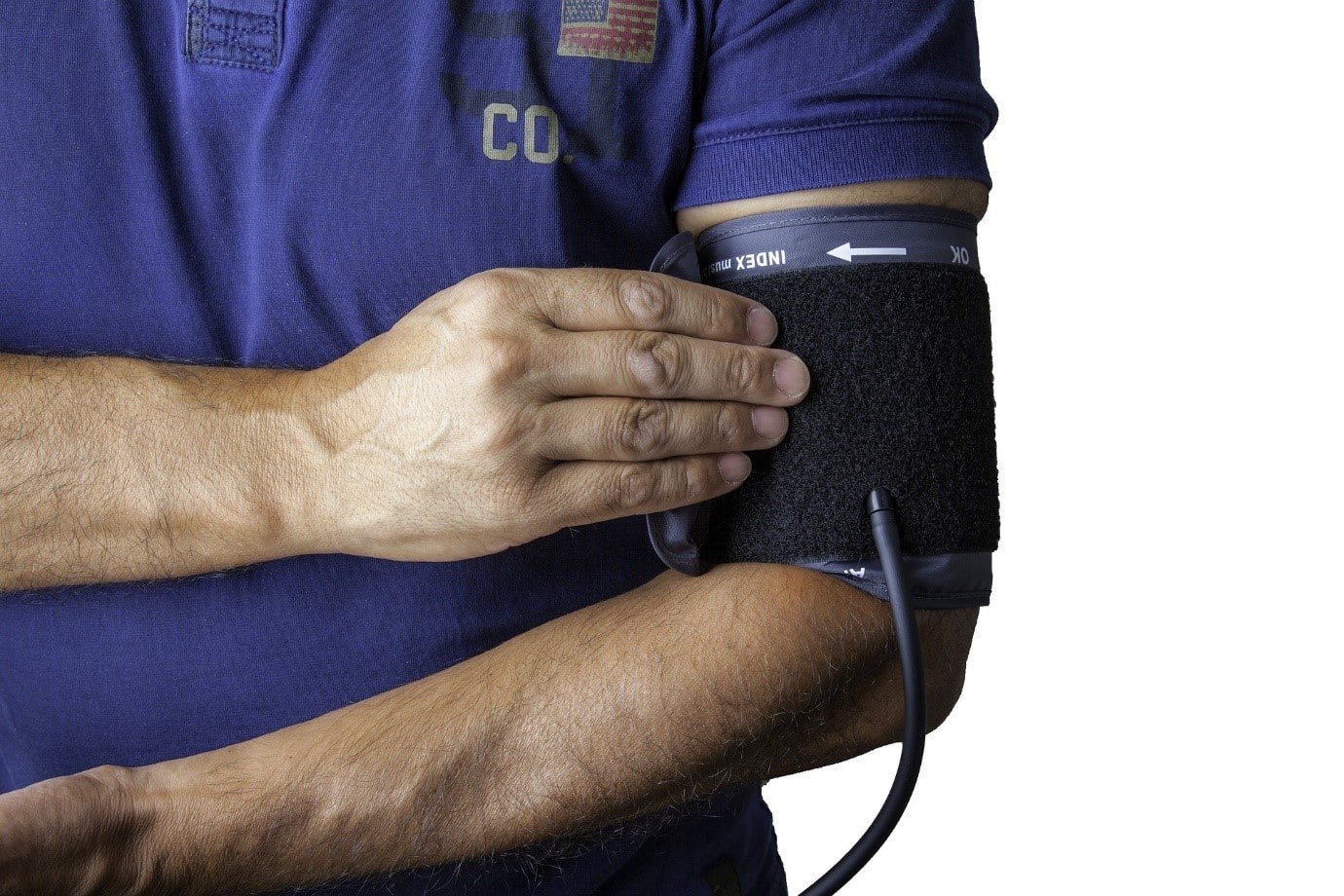
Extra Virgin Olive Oil Is Rich in Polyphenols

Polyphenols are powerful antioxidants found in high concentrations in EVOO. Studies have shown that these antioxidants can help reduce inflammation and improve blood vessel function. When your blood vessels are flexible and less inflamed, blood can flow more easily, reducing the strain on your heart and helping to lower blood pressure.

Extra Virgin Olive Oil Is Packed with Oleic Acid

Oleic acid is a type of monounsaturated fat that’s abundant in EVOO. This healthy fat has been shown to improve insulin sensitivity, which is crucial for maintaining normal blood pressure. Insulin resistance can lead to elevated blood sugar levels, which in turn can increase blood pressure. By improving insulin sensitivity, oleic acid can help keep both blood sugar and blood pressure in check.

Extra Virgin Olive Oil Supports Nitric Oxide Production

Nitric oxide is a molecule that helps your blood vessels relax and widen, allowing for improved blood flow. Polyphenols in EVOO can boost the production of nitric oxide, further aiding in the reduction of blood pressure. This makes EVOO a natural and effective option for those looking to manage their hypertension.

Why Diet Can Be As Crucial As Medication For Healthy Blood Pressure

While medication can be essential for managing high blood pressure, diet plays a critical role that shouldn’t be overlooked. Here’s why focusing on what you eat can be just as important as taking your prescribed pills.

Nutrient-Rich Foods Provide Comprehensive Benefits

Unlike medications that target specific pathways, nutrient-rich foods like EVOO offer a range of benefits. These foods can reduce inflammation, improve blood vessel function, and support overall cardiovascular health. This comprehensive approach can make a significant difference in managing blood pressure.

Avoiding Harmful Ingredients

A diet high in processed foods, salt, and unhealthy fats can exacerbate hypertension. By prioritizing whole foods and healthy fats like those found in EVOO, you can avoid these harmful ingredients and give your body the nutrients it needs to function optimally.

Long-Term Sustainability

One of the significant advantages of focusing on diet is its sustainability. Medications can come with side effects and may require ongoing adjustments. In contrast, a healthy diet can be maintained long-term with fewer downsides. Incorporating EVOO into your meals is a delicious and sustainable way to support heart health.

Making smart dietary choices is one effective way to keep high blood pressure in check. One such choice is including extra virgin olive oil in your diet. This oil has been found to have numerous health benefits, including reducing the risk of heart diseases, protecting against inflammation, and potentially even reducing blood pressure. Studies have shown that consuming extra virgin olive oil regularly can help decrease both systolic and diastolic blood pressure.

The presence of polyphenols in this oil is believed to be the reason behind its blood pressure-lowering effects, so it’s important to choose extra virgin olive oil over other types to fully reap its benefits. Adding extra virgin olive oil to your dishes not only enhances their flavor but also helps promote a healthy heart.

A recent article from Today points out that diet plays an important role in controlling blood pressure levels and – in some cases – choosing the right diet can be just as effective as medication in controlling blood pressure.

Why Extra Virgin Olive Oil Is One of Top Foods For Blood Pressure Control

Olive Oil Can Stabilise Blood Sugar Levels

The Today article refers to a 2020 study in the journal Nutrients describing olive oil as “ the optimal fat choice in the management protocols for hypertension in both healthy and cardiovascular disease patients.” Olive oil is high in polyphenols and oleic acid, which may help reduce overall risk factors, like blood pressure, for heart disease.

Morocco Gold Extra Virgin Olive Oil And Blood Pressure Control

 Thanks to the recent spotlight on the Mediterranean Diet, extensive research has been done on the composition of best olive oil. What has been discovered is an extensive list of phytonutrients; one of the most praised is its polyphenols.

Polyphenols have been shown to reduce morbidity and/or slow down the progression of cardiovascular, neurodegenerative, and cancer diseases. The mechanism of action of polyphenols strongly relates to their antioxidant activity.

Polyphenols are known to decrease the level of reactive oxygen species in the human body. In addition, health-promoting properties of plant polyphenols comprise anti-inflammatory, anti-allergic, anti-atherogenic, anti-thrombotic, and anti-mutagenic effects. There is a body of research demonstrating their ability to modulate the human immune system by affecting the proliferation and activity of white blood cells, as well as the production of cytokines or other factors that participate in immunological defence.

Morocco Gold Extra Virgin Olive Oil Is High In Polyphenols

Our latset harvest has produced a low acidity level of 0.2% together with the highest level of polyphenols yet seen in our extra virgin olive oil.

3,4 DHPEA-EDA 85 mg/kg
Hydroxytyrosol5 mg/kg
Lignanes26 mg/kg
Ligstroside aglycone (p, HPEA-EA)20 mg/kg
Oleuropein aglycone (3,4 DHPEA-EA)71 mg/kg
Oleocanthal p, HPEA-EDA65 mg/kg
Tyrosol372 mg/kg
Polyphenols Total644 mg/kg
Polyphenol content in Morocco Gold Extra Virgin Olive Oil

What Other Foods Can Lower Blood Pressure?

If you are looking for a natural way to lower your blood pressure, the good news is that there are plenty of foods, in addition to extra virgin olive oil, that can help you achieve this goal. Among the top 16 foods that can lower blood pressure are leafy greens such as spinach and kale, berries like strawberries and blueberries, beans and lentils, fatty fish like salmon and sardines, whole grains such as oatmeal and brown rice, and fruits like bananas and avocados. By incorporating these foods into your diet, you can work towards reducing your blood pressure and improving your overall health. So, the next time you plan your meals, make sure to add these top 16 foods to your grocery list!

  • Avocado
  • Beets
  • Lemons
  • Dark chocolate
  • Coffee
  • Almonds
  • Celery
  • Spinach
  • Apples
  • Wild salmon
  • Yogurt
  • Pumpkin seeds
  • Cinnamon
  • Oregano
  • Garlic
  • Blueberries

All in all, extra virgin olive oil is proving to be one of the best foods to help with lower blood pressure. Not only is it delicious and can add great flavor to many dishes, but also it has a plethora of health benefits that can aid in maintaining healthy blood pressure levels.

The polyphenols found in extra virgin olive oil are antioxidants that help prevent damage from oxidation and inflammation caused by free radicals, thus reducing the risk for hypertension. It’s important to incorporate healthy cooking oils like extra virgin olive oil into your diet since they provide essential nutrients for sustaining healthy living habits. So next time you shop for ingredients to prepare meals, be sure to pick up some high-quality extra virgin olive oil and benefit from its amazing ability to lower blood pressure!

Extra Virgin Olive Oil As A Substitute For Butter

Health Benefits Of Olive Oil

Extra Virgin Olive Oil Vs Butter: Which Is Better For Heart Health

Updated August 27th 2024

Extra Virgin Olive Oil

Summary

  • In the age-old debate of extra virgin olive oil versus butter there are many things to consider when making the best choice for your health and cooking.
  • Choosing a healthy fat like olive oil instead of butter can help reduce bad cholesterol levels associated with heart disease.
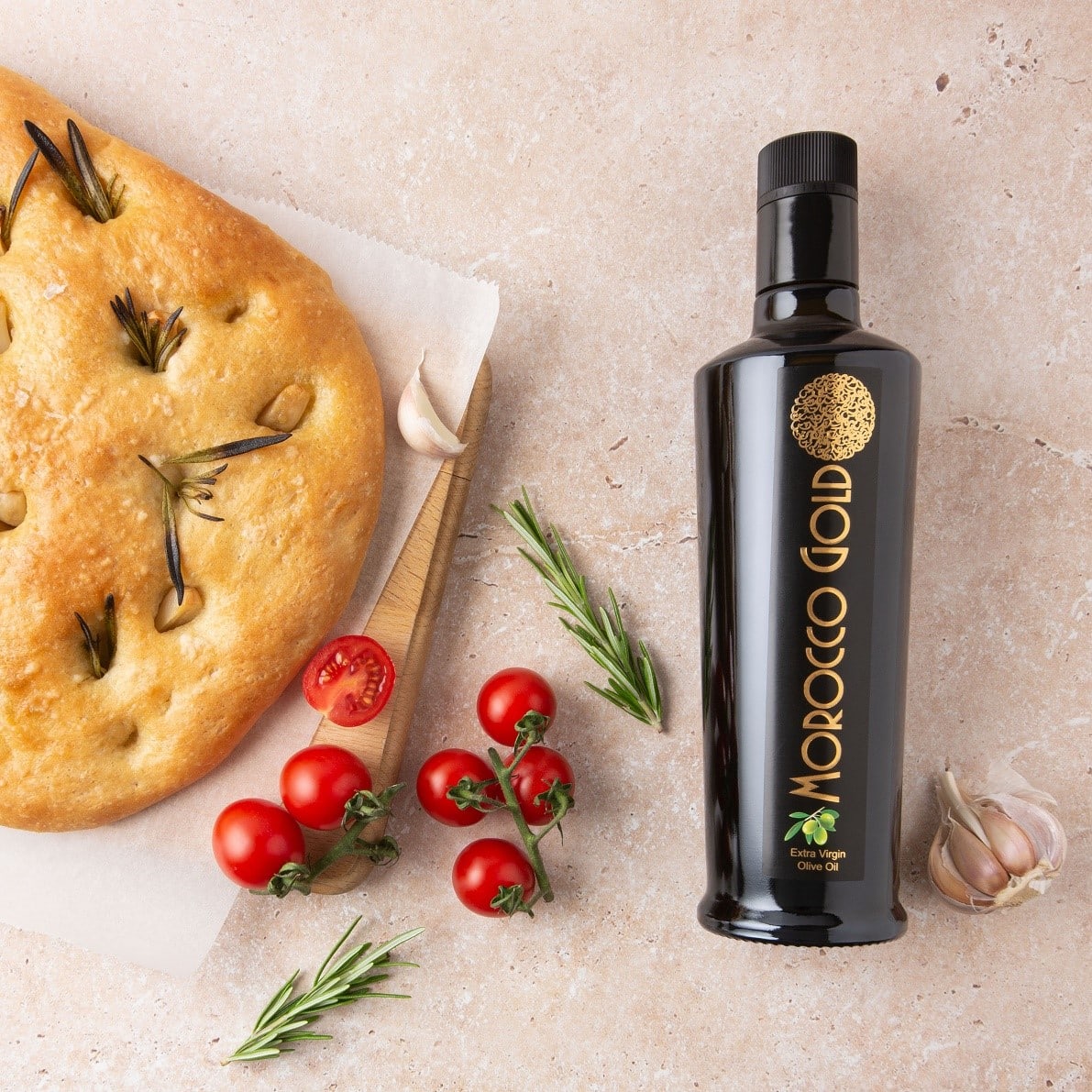
  • Extra virgin olive oil is also packed with antioxidants called polyphenols which have anti-inflammatory properties that can protect your heart.
  • Olive Oil as a substitute for butter works well in a range of cooking styles from baking to grilling.

Contents

  1. Extra Virgin Olive Oil Vs Butter – The Great Debate
  2. Understanding The Importance Of Healthy Fats Like Extra Virgin Olive Oil
  3. Extra Virgin Olive Oil vs Butter Which is Better for Heart Health
  4. Extra Virgin Olive Oil (EVOO) As A Substitute For Butter In Baking
  5. How do I substitute olive oil for butter in cakes and other baked goods?
  6. Benefits of Extra Virgin Olive Oil
  7. Benefits of Butter
  8. The Nutritional Content of Olive Oil

Extra Virgin Olive Oil Vs Butter – The Great Debate

If you’re a health-conscious foodie or a dedicated advocate for heart health, you’ve likely pondered the age-old debate: extra virgin olive oil versus butter. Which one truly wins the heart-health crown? With many of us striving to make smarter dietary choices, understanding the impact of these two fats on our cardiovascular well-being is paramount. In this blog post, we’ll explore the benefits and drawbacks of extra virgin olive oil and butter, offering insights that can help you make informed decisions in your quest for better health.

Understanding The Importance Of Healthy Fats Like Extra Virgin Olive Oil

Fats have often been labelled as dietary villains, but not all fats are created equal. Healthy fats are essential for our body, playing crucial roles in energy production, nutrient absorption, and hormone regulation. Extra virgin olive oil and butter, though distinct in their properties, both fall under the fat category. However, their effects on heart health differ significantly.

Monounsaturated fats, abundant in EVOO, are known for their heart-healthy properties. They help reduce bad cholesterol levels and are associated with a lower risk of heart disease. These fats also provide essential fatty acids that the body cannot produce on its own.

Saturated fats, predominant in butter, have a different impact on heart health. Excessive intake of saturated fats can elevate LDL cholesterol levels, a key risk factor for heart disease. Moderation is crucial when incorporating butter into a heart-healthy diet.

We have discussed many times the health benefits of taking extra virgin olive oil as part of a Mediterranean diet, also taking your extra virgin olive oil on its own as part of a daily routine. But how else can you include extra virgin olive oil (EVOO) into a healthy lifestyle.

Extra Virgin Olive Oil vs Butter Which is Better for Heart Health

Heart health is a priority for many of us, and the choices we make in our kitchens can have a significant impact. One common debate centres around two popular fat sources—extra virgin olive oil and butter. Which one is better for your heart? This blog post will break down the benefits and drawbacks of both, providing you with valuable insights to make an informed decision.

Impact on Cholesterol Levels

Research shows that monounsaturated fats, like those found in extra virgin olive oil, can lower LDL (bad) cholesterol levels while maintaining HDL (good) cholesterol. This balance is essential for reducing the risk of heart disease.

Butter, which is high in saturated fats, can increase LDL cholesterol levels. High LDL cholesterol is a known risk factor for heart disease, making it less favourable for those focused on heart health.

Antioxidants and Heart Health

Extra virgin olive oil is packed with antioxidants, particularly polyphenols, which have anti-inflammatory properties. These antioxidants help protect your heart by reducing inflammation and preventing the oxidation of LDL cholesterol, a key factor in the development of heart disease.

Butter contains some antioxidants, but its benefits are overshadowed by its high saturated fat content. While it offers some nutritional value, it doesn’t provide the same heart-protective properties as extra virgin olive oil.

Extra Virgin Olive Oil (EVOO) As A Substitute For Butter In Baking

One common concern about extra virgin olive oil is its smoke point, which is lower than some other oils. However, it is still suitable for most cooking methods, including sautéing and baking. The rich flavour adds depth to dishes, making it a versatile choice in the kitchen.

The antioxidants and nutrients in extra virgin olive oil remain stable at moderate cooking temperatures, allowing you to enjoy its benefits even when used in cooking.

When it comes to baking, it’s easy to default to butter as the standard ingredient. However, did you know that extra virgin olive oil (EVOO) makes for a healthier and equally tasty substitute? Not only does it provide a unique and subtle flavor to baked goods, but it is also lower in saturated fat and higher in heart-healthy monounsaturated fat compared to butter. When choosing an olive oil substitute, opt for extra virgin olive oil (EVOO). This type of oil is made by cold-pressing the olive fruit without the use of chemicals or heat, preserving its antioxidants and nutrients. Moreover, studies have found that adding extra virgin olive (EVOO) oil to your diet can lead to a multitude of health benefits, including improved heart health, reduced inflammation, and enhanced brain function.

More and more cakes and other baked desserts can be made with extra virgin olive oil (EVOO), instead of butter. Home bakers, too, are increasingly turning to extra virgin olive oil (EVOO) instead of butter for cakes, brownies and more.

Swapping extra virgin olive oil (EVOO) for butter reduces saturated fat. Plus, high quality extra virgin olive oil (EVOO) like Morocco Gold adds a wonderful, nuanced flavor to baked goods and keeps them moist. Extra virgin olive oil (EVOO) also contributes to a special, textured “crumb.” Here are some useful tips on baking with extra virgin olive oil (EVOO).

How do I substitute olive oil for butter in cakes and other baked good?

As a general rule of thumb, substitute three-quarters of the butter in a recipe with extra virgin olive oil. In other words: If a baking recipe calls for a stick of butter (8 tablespoons), for example, use 6 tablespoons of extra virgin olive oil (EVOO) olive oil.  If the recipe uses melted butter, substitute the extra virgin olive oil (EVOO) for the butter at three-quarters of the amount. Here is a handy conversion chart:

BUTTEROLIVE OIL
1 TEASPOON¾ TEASPOON
1 TABLESPOON2-¼ TEASPOONS
2 TABLESPOONS1-½ TABLESPOONS
¼ CUP (1/2 stick)3 TABLESPOONS
½ CUP (1 stick)¼ CUP + 2 TABLESPOONS
⅔ CUP½ CUP
¾ CUP½ CUP + 1 TABLESPOON
1 CUP (2 sticks)¾ CUP
2 CUPS (4 sticks)1-½ CUPS
Extra Virgin Olive Oil Conversion Chart

If a recipe calls for vegetable or canola oil, can I use extra virgin olive oil instead?

Definitely, just use the extra virgin olive oil (EVOO) on a one-for-one basis. If a recipe, say, calls for half a cup of vegetable oil, use the same amount of extra virgin olive oil. Your cake and other baked goods will benefit from the fuller, delicious flavor.

Can I use any type of olive oil off the grocery shelf in baking?

Not if you want to improve the flavor of your baked good. Use a high-quality extra virgin olive oil (EVOO) that tastes good. Only use an extra virgin olive oil (EVOO) that you enjoy eating on salads, as a bread dip, etc. If you don’t particularly like the taste of a highly processed olive oil, why sully your baking with it. As the old saying goes:

‘Never cook with a wine you wouldn’t want to drink.’

Old Proverb

Benefits of Extra Virgin Olive Oil

  • Rich in Antioxidants:

Extra virgin olive oil contains polyphenols, powerful antioxidants that combat oxidative stress and inflammation, known contributors to heart disease.

  • Improves Cholesterol Levels:

Studies show that EVOO helps increase levels of HDL (good) cholesterol while reducing LDL (bad) cholesterol, promoting a healthier lipid profile.

  • Anti-Inflammatory Properties:

The oleocanthal compound in EVOO mimics the effects of anti-inflammatory drugs, reducing chronic inflammation that can lead to heart disease.

Butter – A Traditional Favorite

Butter, beloved for its rich taste, has been a dietary mainstay for centuries. Made from churning cream, it contains saturated fats that have been under scrutiny for their impact on heart health. Despite its reputation, butter also offers certain benefits.

Benefits of Butter

  • Source of Vitamins:

Butter contains fat-soluble vitamins like A, D, E, and K, essential for various bodily functions, including vision and skin health.

  • Conjugated Linoleic Acid (CLA):

CLA, found in butter, has been linked to potential health benefits such as improved metabolism and reduced body fat.

  • Natural Product:

Butter is a natural whole food, free from the additives and preservatives found in many processed spreads.

Drawbacks of Butter

  • High in Saturated Fats:

Butter’s high saturated fat content can raise LDL cholesterol levels, increasing the risk of heart disease.

Caloric Content:

Like EVOO, butter is calorie-dense, and excessive consumption can lead to weight gain and related health issues.

The choice between extra virgin olive oil and butter ultimately depends on your health goals and lifestyle. For heart health advocates and nutrition enthusiasts, extra virgin olive oil stands out as the superior choice due to its numerous cardiovascular benefits. However, butter can still have a place in a balanced diet when consumed in moderation. By making informed choices and understanding the impact of these fats on your heart health, you can enjoy a delicious and heart-healthy diet.

Explore our recipes and tips to incorporate more extra virgin olive oil into your meals, and join our community of health-conscious foodies on a journey towards better heart health!

The Nutritional Content of Olive Oil

Extra virgin olive oil is loaded with essential nutrients such as vitamins E and K. Vitamin E acts as an antioxidant, while vitamin K plays a vital role in blood clotting and bone health. Together, these vitamins help maintain a healthy heart.

Olive oil also contains omega-3 and omega-6 fatty acids, essential for reducing inflammation and maintaining cardiovascular health. These nutrients make extra virgin olive oil a solid choice for those prioritizing their heart health.

Conclusion

In the debate between extra virgin olive oil and butter, extra virgin olive oil emerges as the heart-healthy champion. Its monounsaturated fats, antioxidants, and anti-inflammatory properties make it a superior choice for those focused on cardiovascular health.

Butter, while rich in flavor and nutrients, should be consumed in moderation due to its high saturated fat content. By balancing your use of these fats, you can enjoy the best of both worlds while prioritizing your heart health.

To explore more about healthy fats and how to incorporate them into your diet, consider consulting with a nutritionist or dietitian. Their expertise can help you make informed choices that benefit your overall well-being.

Extra Virgin Olive Oil Health Benefits: The Cardiovascular System

Cardiovascular Disease

Extra Virgin Olive Oil Health Benefits: The Cardiovascular System

Updated August 16th 2024

Cardiovascular System
The Cardiovascular System

Summary

Contents

  1. Extra Virgin Olive Oil Is A Heart Health Boost In A Bottle
  2. How Extra Virgin Olive Oil Supports Heart Health
  3. Extra Virgin Olive Oil Is An Antioxidant Powerhouse
  4. Structures of the Cardiovascular System
  5. The Health Benefits Of The Mediterranean Diet
  6. Olive Oil and Lifestyle Changes For Better Heart Health

Extra Virgin Olive Oil Is A Heart Health Boost In A Bottle

In the quest for a healthier lifestyle, extra virgin olive oil stands out as a golden elixir for heart health. This liquid gold is not just a kitchen staple; it’s a powerhouse of nutrients that can significantly benefit your cardiovascular system. Whether you’re a nutrition enthusiast looking to boost your diet or a cardiovascular patient seeking dietary support, understanding the role of extra virgin olive oil can be a game-changer. In this blog post, we’ll explore the fascinating health benefits of extra virgin olive oil, offer practical tips for incorporating it into your diet, and provide insights into how it supports cardiovascular wellness.

How Extra Virgin Olive Oil Supports Heart Health

The heart health benefits of extra virgin olive oil are backed by science. Numerous studies have shown that regular consumption of this oil can lead to improved cardiovascular outcomes. One of the primary reasons is its ability to lower cholesterol levels. The monounsaturated fats in extra virgin olive oil help reduce levels of low-density lipoprotein (LDL), often referred to as “bad” cholesterol, while maintaining high levels of high-density lipoprotein (HDL), or “good” cholesterol.

Additionally, extra virgin olive oil plays a role in reducing blood pressure. Hypertension is a leading risk factor for heart disease, and the phenolic compounds in the oil have been shown to have vasodilatory effects, which means they can help widen blood vessels and improve blood flow. This mechanism assists in lowering blood pressure levels, further enhancing cardiovascular health.

Furthermore, the antioxidants in extra virgin olive oil fight inflammation, a known risk factor for heart disease. Chronic inflammation can lead to the development of atherosclerosis, where plaque builds up in the arteries, increasing the risk of heart attacks and strokes. By incorporating extra virgin olive oil into your diet, you can help mitigate these risks and promote overall cardiovascular wellness.

Extra Virgin Olive Oil Is An Antioxidant Powerhouse

Extra virgin olive oil is a rich source of antioxidants, compounds known for their ability to neutralize free radicals and prevent oxidative damage in the body. These antioxidants, which include polyphenols and vitamin E, are particularly beneficial for cardiovascular health.

Polyphenols are a group of naturally occurring compounds found in plants, and they have been shown to provide protection against a range of diseases, including heart disease. In extra virgin olive oil, polyphenols help reduce oxidative stress, which is a common contributor to atherosclerosis and other cardiovascular conditions. By incorporating olive oil into your diet, you can take advantage of these protective effects.

Vitamin E, another antioxidant found in extra virgin olive oil, supports cardiovascular health by preventing the oxidation of LDL cholesterol. This process is crucial because oxidized LDL can lead to plaque buildup in the arteries. By consuming vitamin E-rich olive oil, you can help maintain healthy cholesterol levels and keep your heart functioning optimally.

More and more food lovers who are concerned with healthy food and healthy eating are turning towards healthy diets like the Mediterranean diet and the Keto diet, with Extra Virgin Olive Oil a key constituent. We have often discussed the health benefits of Extra Virgin Olive Oil like Morocco Gold with our customers at our tasting events. Many of the people we have met wish to know more, so here we are going to provide a series of articles that will provide the science behind what Extra Virgin Olive Oil actually does and why it is good for you. This first article will look at the cardiovascular system.

Structures of the Cardiovascular System

he cardiovascular system is responsible for transporting nutrients and removing gaseous waste from the body. This system is comprised of the heart and the circulatory system. Structures of the cardiovascular system include the heart, blood vessels, and blood. The lymphatic system is also closely associated with the cardiovascular system.

Heart

The heart is the organ that supplies blood and oxygen to all parts of the body. This amazing muscle produces electrical impulses through a process called cardiac conduction. These impulses cause the heart to contract and then relax, producing what is known as a heartbeat. The beating of the heart drives the cardiac cycle which pumps blood to cells and tissues of the body.

Blood Vessels

Blood vessels are intricate networks of hollow tubes that transport blood throughout the entire body. Blood travels from the heart via arteries to smaller arterioles, then to capillaries or sinusoids, to venules, to veins and back to the heart. Through the process of microcirculation, substances such as oxygen, carbon dioxide, nutrients, and wastes are exchanged between the blood and the fluid that surrounds cells.

Blood

While Blood delivers nutrients to cells and removes wastes that are produced during cellular processes, such as cellular respiration. Blood is composed of red blood cellswhite blood cellsplatelets, and plasma. Red blood cells contain enormous amounts of a protein called haemoglobin. This iron containing molecule binds oxygen as oxygen molecules enter blood vessels in the lungs and transport them to various parts of the body.

After depositing oxygen to tissue and cells, red blood cells pick up carbon dioxide (CO2) for transportation to the lungs where CO2 is expelled from the body.

Circulatory System

The circulatory system supplies the body’s tissues with oxygen rich blood and important nutrients. In addition to removing gaseous waste (like CO2), the circulatory system also transports blood to organs (such as the liver and kidneys) to remove harmful substances. This system aids in cell to cell communication and homeostasis by transporting hormones and signal messages between the different cells and organ systems of the body. The circulatory system transports blood along pulmonary and systemic circuits. The pulmonary circuit involves the path of circulation between the heart and the lungs. The systemic circuit involves the path of circulation between the heart and the rest of the body. The aorta distributes oxygen rich blood to the various regions of the body.

Lymphatic System

The lymphatic system is a component of the immune system and works closely with the cardiovascular system. The lymphatic system is a vascular network of tubules and ducts that collect, filter, and return lymph to blood circulation. Lymph is a clear fluid that comes from blood plasma, which exits blood vessels at capillary beds. This fluid becomes the interstitial fluid that bathes tissues and helps to deliver nutrients and oxygen to cells. In addition to returning lymph to circulation, lymphatic structures also filter blood of microorganisms, such as bacteria and viruses. Lymphatic structures also remove cellular debris, cancerous cells, and waste from the blood. Once filtered, the blood is returned to the circulatory system.

Extra Virgin Olive Oil And The Cardiovascular System

Lowering your risk of cardiovascular problems is an area upon which several recent studies on Extra Virgin Olive Oil have focused. Chronic inflammation is a risk factor for many types of cardiovascular disease, and Extra Virgin Olive Oil has well-documented anti-inflammatory properties.

One place we don’t want excessive ongoing inflammation is within our blood vessels. Our blood supply is just too important for maintaining the health of all our body systems, and it cannot effective support our body systems when compromised with ongoing inflammation. Given this relationship, it’s not surprising to see cardiovascular benefits of Extra Virgin Olive Oil rising to the top of the health benefits provided by this remarkable oil.

From a variety of different research perspectives we know that daily intake of Extra Virgin Olive Oil in amounts as low as one tablespoon per day reduces inflammatory processes within our blood vessels. By reducing these processes, Extra Virgin Olive Oil also reduces our risk of inflammation-related cardiovascular diseases like atherosclerosis.

Yet anti-inflammatory benefits are not the only cardiovascular benefits provided by Extra Virgin Olive Oil. Two other broad types of heart-related benefits are well documented for this oil. The first type is lessened risk of forming unwanted blood clots. While blood clotting is a natural and healthy process required for the healing of wounds and prevention of excessive bleeding, clotting in the arteries can ultimately result in a heart attack or stroke.

One risk factor for unwanted clotting in our arteries is excessive clumping together of our platelet blood cells. This clumping process is also called “aggregation.” Regular incorporation of Extra Virgin Olive Oil into a meal plan has been shown to lessen the risk of this excessive aggregation, and the reason that researchers refer to Extra Virgin Olive Oil as an “anti-aggregatory” oil.

The other broad area of cardiovascular benefits involves improved levels of circulating fats in our bloodstream, as well as protection of those fats from oxygen-related damage. Decreased levels of total cholesterol and LDL cholesterol following consumption of Extra Virgin Olive Oil are findings are the vast majority of studies that have analysed this relationship.

Yet equally important, the cholesterol molecules that remain in our blood also appear to be better protected from oxygen-related damage (oxidation). Since fats and cholesterol belong to a broader technical category called “lipids,” damage to the fats and cholesterol in our blood stream is typically referred to as “lipid peroxidation.” And it is precisely this lipid peroxidation process that gets reduced through incorporation of Extra Virgin Olive Oil into a meal plan.

The Health Benefits Of The Mediterranean Diet

The Mediterranean diet, characterized by a high intake of fruits, vegetables, whole grains, and healthy fats like extra virgin olive oil, has long been associated with reduced cardiovascular risk. This diet emphasizes eating patterns that are both heart-healthy and sustainable, which is why it is often recommended for those looking to improve their heart health.

One of the standout features of the Mediterranean diet is its emphasis on extra virgin olive oil as the primary source of fat. This oil is used in abundance, from drizzling over salads to cooking vegetables and meats. The diet also encourages eating a variety of foods rich in antioxidants and fibre, which work in conjunction with olive oil to protect the heart.

Research has shown that individuals who follow the Mediterranean diet experience lower rates of heart disease and stroke. This diet not only supports heart health but also offers a holistic approach to wellness, promoting longevity and reducing the risk of various chronic diseases. For those seeking to improve their cardiovascular health, adopting aspects of the Mediterranean diet can be a delicious and effective strategy.

Cardiovascular Disease

Cardiovascular Disease

Atherosclerosis is the build-up of fatty plaques on the walls of arteries. Fatty plaque known as atheroma (yellow) has built-up on the inner wall and is blocking about 60% of the artery width. Atherosclerosis leads to irregular blood flow and clot formation, which can block the coronary artery resulting in heart attack.

According to the World Health Organization, cardiovascular disease is the leading cause of death for people world-wide. Cardiovascular disease involves disorders of the heart and blood vessels, such as coronary heart disease, cerebrovascular disease (stroke), elevated blood pressure (hypertension), and heart failure.

  • Hypertension – persistently elevated blood pressure (high blood pressure) in the arteries. It is associated with the development of disorders such as atherosclerosis, heart attack, stroke, and can cause kidney damage.
  • Atherosclerosis – artery walls become hardened due to build-up of plaque (fatty deposits). It causes decreased blood supply to tissues and may lead to blood clots, stroke, aneurysm, or heart disease.
  • Aneurysm – a bulging in a weakened area of an artery that could rupture and cause internal bleeding.
  • Coronary artery disease (heart disease) – narrowing or blockage in the coronary arteries, which supply blood directly to the heart muscle. Complete blockage of blood flow will cause a heart attack.
  • Stroke – death of brain cells (neurons) due to lack of blood supply.
  • Heart failure – the heart is not able to supply enough blood to body tissues. It is caused by conditions such as hypertension, heart disease, and cardiomyopathy (chronic disease of the heart muscle).  

It is crucial that the organs and tissues of the body receive proper blood supply. Lack of oxygen means death, therefore having a healthy cardiovascular system is vital for life. In most cases, cardiovascular disease can be prevented or greatly diminished through behavioural modifications. Individuals wishing to improve cardiovascular health should consume a healthy diet, exercise regularly, and abstain from smoking.

Imagine your body as a highly complex, high-performance engine. High quality Extra Virgin Olive Oil like Morocco Gold is natures highest performance engine oil, to keep your body well- tuned and running smoothly over a lifetime.

Incorporating Olive Oil into Your Diet

Adding extra virgin olive oil to your diet is simple and can enhance the flavor of your meals. Here are some practical tips to help you get started:

  • Salad Dressing: Create a simple vinaigrette by mixing olive oil with balsamic vinegar, lemon juice, or your favorite herbs and spices. This dressing adds a flavorful touch to fresh salads.
  • Cooking: Use olive oil for sautéing vegetables, grilling meats, or roasting potatoes. Its high smoke point makes it suitable for various cooking methods, and it imparts a rich taste to dishes.
  • Drizzle: Finish soups, pastas, or crusty bread with a drizzle of olive oil for an extra burst of flavor. This technique enhances the taste and adds a dose of heart-healthy fats to your meal.

By incorporating these ideas, you can enjoy the benefits of extra virgin olive oil while experiencing the delicious flavors it brings to your table.

Olive Oil and Lifestyle Changes For Better Heart Health

Incorporating extra virgin olive oil into your lifestyle extends beyond dietary adjustments. It can also inspire a broader commitment to healthy living. Pairing olive oil with a balanced diet rich in fruits, vegetables, and whole grains supports overall wellness.

Physical activity complements dietary changes, encouraging cardiovascular health and weight management. Regular exercise, combined with a heart-healthy diet, can significantly reduce the risk of heart disease.

Additionally, mindfulness practices such as meditation and stress management techniques can contribute to a heart-healthy lifestyle. Together, these changes can create a holistic approach to wellness, empowering individuals to take control of their health.

Olive Oil Powered Mediterranean Diet Linked to Better Heart Health in Children and Teens

Mediterranean Diet Benefit The Young

New Study Shows Benefits of Mediterranean Diet for Younger People

Mediterranean Diet Benefit The Young
Mediterranean Diet Can Benefit The Young

Summary

  • New Study Shows Variety Of Health Benefits for young people from adherence to The Extra Virgin Olive Oil Fuelled Mediterranean Diet.
  • Adherence to Mediterranean Diet including fruits, vegetables, legumes, and healthy fats like extra virgin olive oil modestly associated with improved cholesterol levels in youths.
  • Following Mediterranean Diet correlated with a 25% reduction in obesity risk and a 15% increase in academic performance.

Contents

  1. The Mediterranean Diet With Extra Virgin Olive Oil Linked To Health Benefits For Young
  2. Benefits of Mediterranean Diet for Younger People
  3. What are the Key Ways the Mediterranean Diet Can Benefit Children and Teens?
  4. Practical Tips for Incorporating the Mediterranean Diet into Your Family’s Life

The Mediterranean Diet, with its focus on fruits, vegetables, legumes, and healthy fats like extra virgin olive oil has been shown to have positive health benefits for children and teens.

The Mediterranean Diet With Olive Oil Linked To Health Benefits For Young

A  systematic review, published in JAMA Network, analyzed data from 9 randomized clinical trials involving 577 children aged 3 years to 18 years that measured the effects of Mediterranean diet–based interventions on cardiometabolic markers.

It found that adherence to the Mediterranean diet was modestly associated with reduced systolic blood pressure and triglyceride, total cholesterol, and low-density lipoprotein cholesterol levels and increased high-density lipoprotein cholesterol levels in youths.
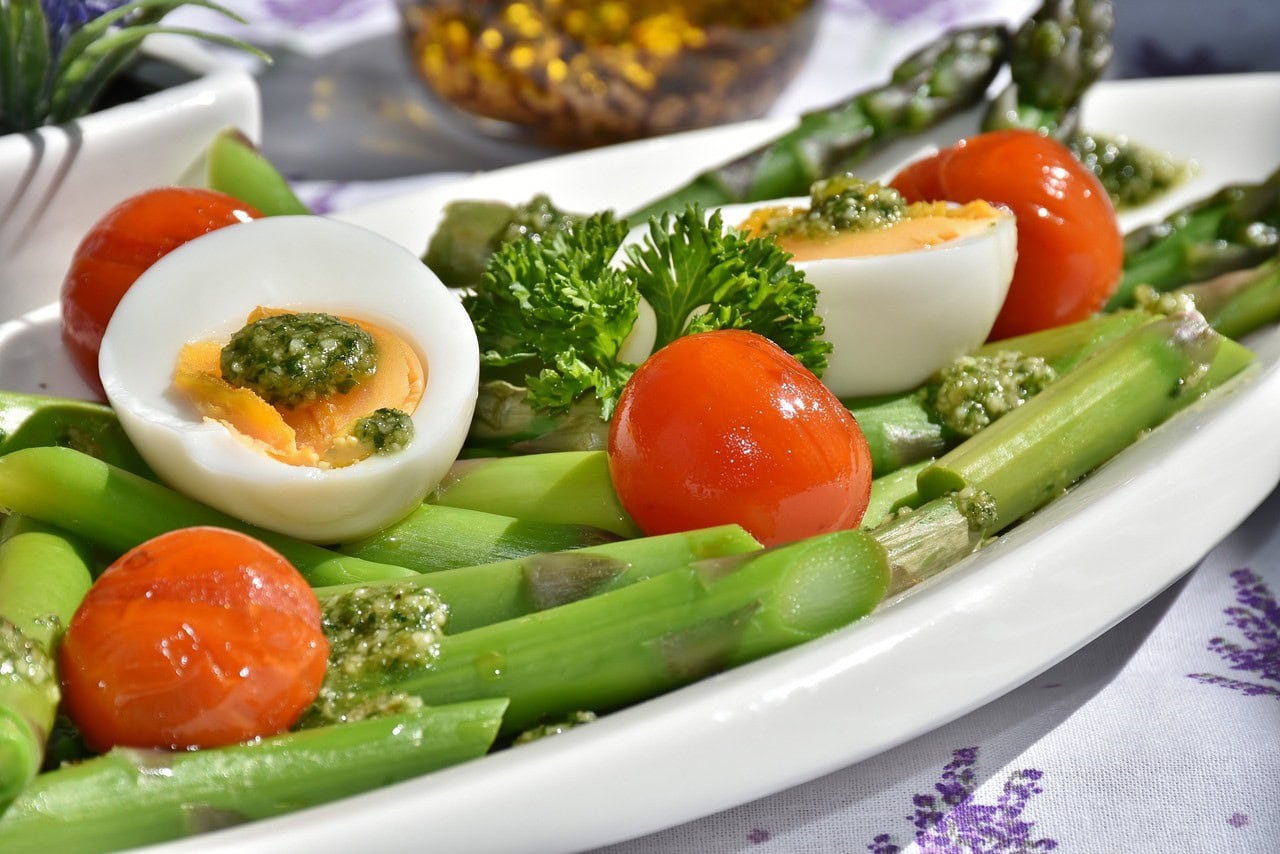
These findings highlight the relevance of Mediterranean diet–based interventions as a useful

According to a JAMA Network summary, researchers looked at such biomarkers as blood pressure, total cholesterol, and triglyceride levels. They then compared changes in biomarker levels between the intervention and control groups. The children in the intervention group lowered their systolic blood pressure by an average of nearly 5 mm Hg and their triglyceride concentration by an average of about 16 mg/dL. They also lowered their total cholesterol and raised their high-density lipoprotein cholesterol levels.

Although the researchers noted in JAMA Network Open that the biomarker changes were modest, they added that even these reductions may decrease the risk of cardiovascular disease in adulthood.

Benefits of Mediterranean Diet for Younger People

This latest groundbreaking study follows previous research showing a host of benefits for youngsters following the Mediterranean Diet. As parents and health enthusiasts, the findings are both relevant and exciting. The research highlights improved cardiovascular health, reduced inflammation, and enhanced cognitive functions. It underscores how essential nutrients found in this diet can significantly impact children’s overall well-being as they grow.

The Mediterranean Lifestyle Study, conducted over a decade with thousands of participants, focused on children and teens. It examined their dietary habits and its effects on long-term health indicators. Investigators found that adherence to the Mediterranean Diet correlated with a 25% reduction in obesity risk and a 15% increase in academic performance.

This study’s implications are clear: embracing the Mediterranean way of eating can profoundly benefit young individuals. Parents, nutritionists, and educators can take these insights to heart, encouraging dietary changes that support lifelong health.

What are the Key Ways the Mediterranean Diet Can Benefit Children and Teens?

Boosting Cardiovascular Health

One key advantage of the Mediterranean Diet is its ability to bolster heart health in children and teens. Rich in heart-friendly fats from sources like extra virgin olive oil and nuts, this diet reduces bad cholesterol levels. Reduced cholesterol translates into a healthier heart and decreased risk of cardiovascular diseases later in life.

Furthermore, the diet encourages the consumption of fruit and vegetables that are high in antioxidants and other essential nutrients. These help maintain healthy blood pressure levels and prevent inflammation, another crucial factor for cardiovascular health.

Enhancing Cognitive Function

A growing body of research also links the Mediterranean Diet to improved cognitive function in young individuals. The diet’s high intake of healthy fats can enhance brain development and support learning abilities. Moreover, the abundant presence of antioxidants and anti-inflammatory compounds found in fruits, vegetables, legumes, and whole grains boosts brain function by reducing oxidative stress and preventing damage to brain cells.

Additionally, this diet emphasizes consuming fish rich in omega-3 fatty acids, which have been linked to better academic performance and reduced risk of ADHD in children.

Building a Stronger Immune System

Another significant advantage of the Mediterranean Diet for children and teens is its ability to strengthen the immune system. The diet’s abundance of vitamins and minerals, along with its anti-inflammatory properties, helps boost immunity and fight off infections. This is especially crucial during childhood when kids’ immune systems are still developing.

Furthermore, the inclusion of probiotic-rich foods like yogurt and fermented vegetables in this diet can support gut health, which plays an integral role in overall immunity.

Practical Tips for Incorporating the Mediterranean Diet into Your Family’s Life

Now that you understand the numerous benefits of the Mediterranean Diet for young individuals let’s explore some practical tips for incorporating it into your family’s life:

  • Start by making small changes to your family’s meals gradually. Swap out processed snacks for fruits, nuts, and whole-grain crackers.
  • Incorporate more plant-based meals into your weekly menu. Experiment with delicious Mediterranean dishes like veggie-filled pasta primavera or chickpea and vegetable stew.
  • Encourage children to help prepare meals in the kitchen. This will not only foster a love for cooking but also allow them to explore new foods and develop healthier eating habits.
  • Utilize herbs and spices for flavour instead of salt or unhealthy sauces. The Mediterranean Diet boasts a wide array of flavourful herbs and spices that add depth to dishes without adding excess sodium.
  • Make the most of fresh, seasonal produce by shopping at local farmers’ markets or growing your own fruits and vegetables.
  • Introduce new foods gradually, offering a variety of options to expand your child’s palate. This will also ensure a diverse range of nutrients in their diet.

Conclusion

The Mediterranean Diet offers a wealth of benefits for children and teens, from boosting heart health to enhancing cognitive function and strengthening the immune system. Incorporating this healthy eating approach into your family’s life can set the foundation for long-term well-being and promote a love for delicious, wholesome food. So why wait? Start making small changes today and watch your child thrive on the Mediterranean secret to a healthier future.

Close