
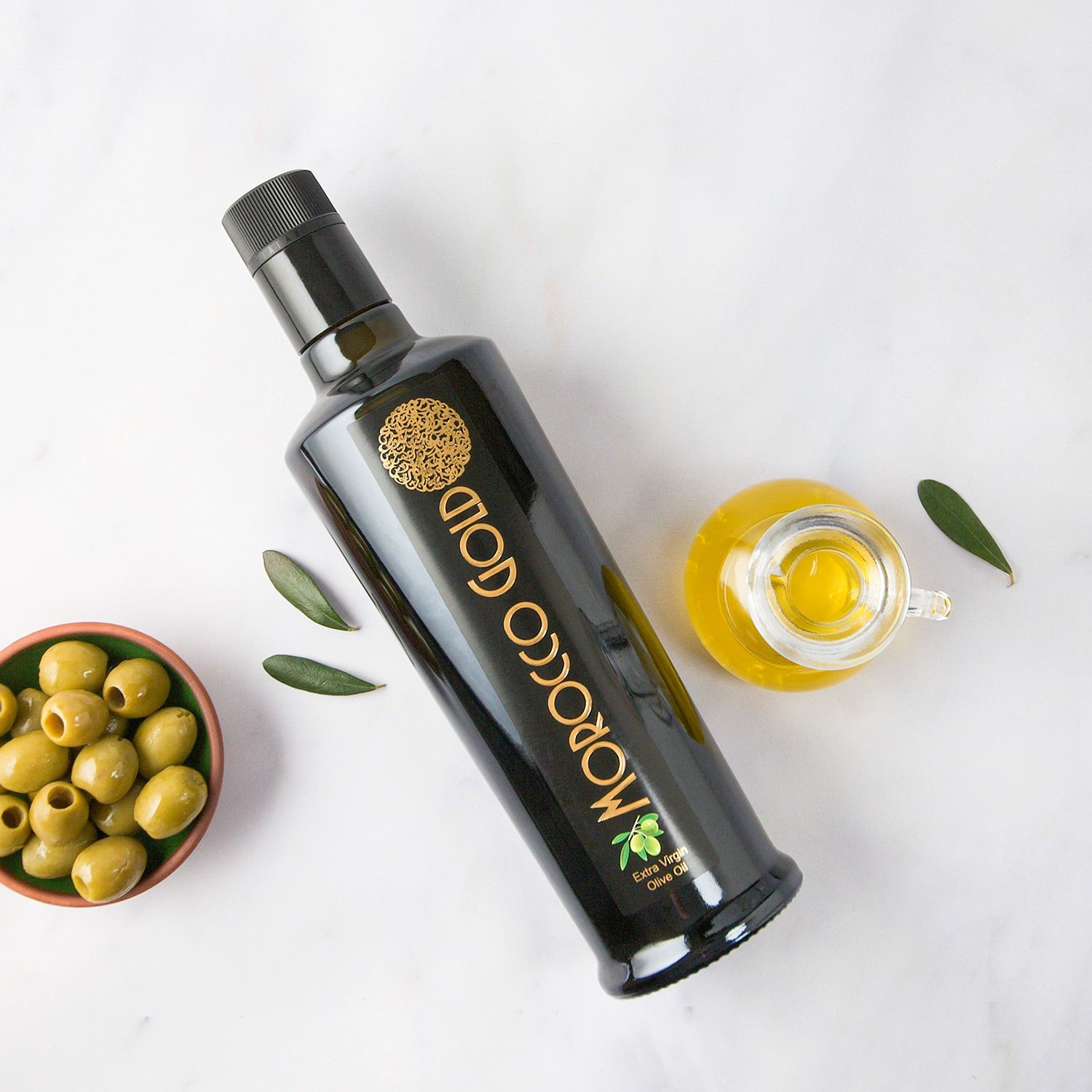
Does fresh olive oil taste different? That is a question on the lips of many foodies out there. The answer is a resounding yes. Freshness doesn’t just change the flavour profile; it defines the oil’s character and health profile.

Here is why those unique flavours are exactly what you should be looking for.
Key Points At A Glance
- Fresh olive oil often has greener aromas and a more vibrant flavour profile
- Peppery and bitter notes are considered positive characteristics in fresh extra virgin olive oil
- Early harvested olives naturally contain higher levels of polyphenols
- Fresh olive oil should smell grassy, herbal and clean rather than greasy or flat
- Harvest timing and storage both influence flavour quality
Does Fresh Olive Oil Taste Peppery?
That distinctive “burn” or peppery sensation at the back of your throat isn’t a sign of acidity or spoilage—it’s actually a mark of excellence.
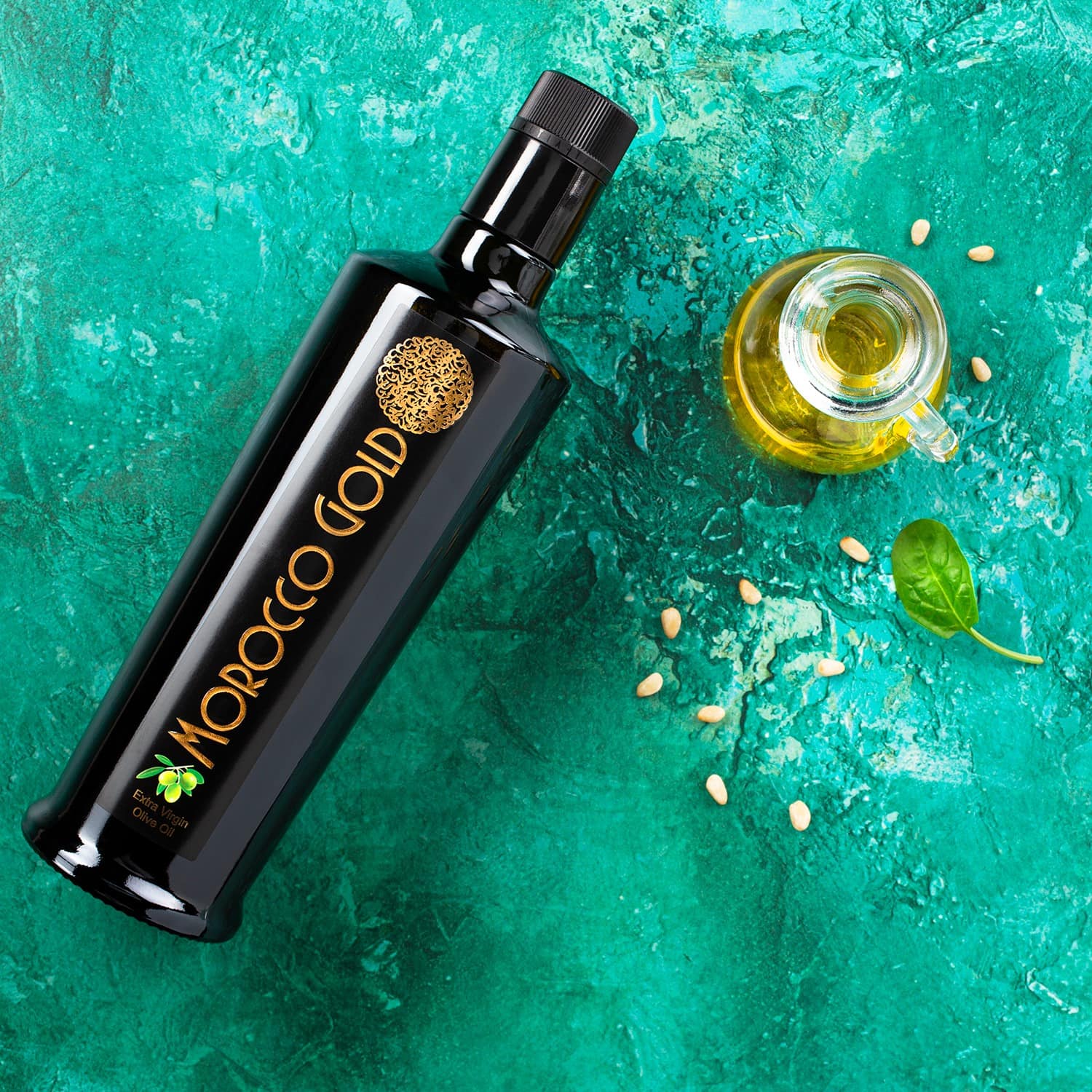
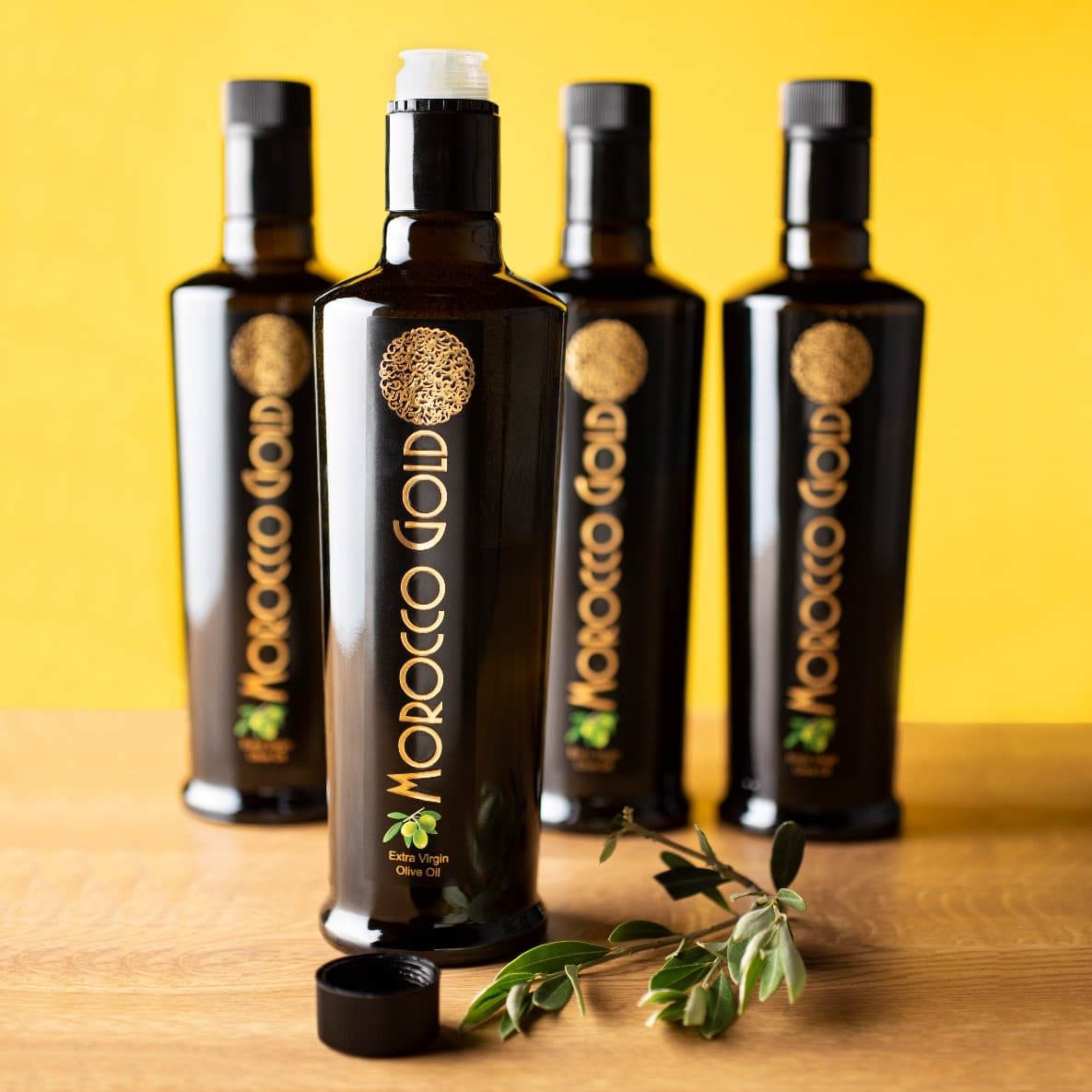
This sensation is caused by a specific antioxidant called Oleocanthal. This compound is a powerful natural anti-inflammatory. When you taste a fresh press of Morocco Gold, that peppery finish is a direct indicator that the oil is packed with the bioactive compounds that make olive oil a superfood.
Why Does Good Olive Oil Taste Bitter?
While we usually try to avoid bitterness in food, in the world of olive oil, bitterness is a positive attribute.
Olives are naturally bitter fruits. When olives are harvested early in the season—while they are still green and firm—they contain their highest levels of polyphenols. Our latest new harvest has an acidity level of 0.19% – which is the lowest we have ever achieved and our polyphenol level is 606mg/kg – again – well above the health benefits level of 250mg/kg. These nutrients are bitter by nature. A lack of bitterness often suggests that the oil was made from overripe olives or has aged to the point where the health-giving polyphenols have degraded.
What Should Fresh Olive Oil Smell Like?
Your nose is often a better judge of quality than your tongue. Fresh olive oil should never smell heavy, greasy, or metallic. Instead, it should have hints of any of the following;
| Fresh Olive Oil Characteristics | What You May Notice |
|---|---|
| Aroma | Grass, herbs, green tomato, artichoke |
| Taste | Peppery, vibrant, slightly bitter |
| Texture | Clean and fresh, not heavy or greasy |
| Finish | Lingering peppery sensation |
Morocco Gold, sourced from the foothills of the Atlas Mountains, is known for this vibrant, “green” aromatic profile that immediately signals the oil was bottled shortly after harvest.
Why High-Quality Olive Oil Tastes Different
Extra virgin olive oil tastes different because it is minimally processed and retains more of the olive’s natural flavour compounds.
High-quality olive oil, by contrast, is a pure expression of the olive variety and the soil it grew in. Because it hasn’t been oxidized or exposed to light, the volatile flavour compounds remain intact, offering a complex, multi-layered tasting experience that lingers on the palate.
Conclusion:
Fresh olive oil delivers stronger aromas, more vibrant flavours and a more complex finish than older oils. That peppery kick and bitter edge are nature’s way of telling you that the oil is at its peak nutritional and culinary power. Once you experience the vibrant profile of a new harvest oil, the “flat” taste of aged, supermarket oil will never quite satisfy you again.