
Extra virgin olive oil is a fresh fruit juice that begins to degrade the moment it is pressed -so how can you spot a fresh bottle? Use this olive oil checklist as your practical guide to navigating the aisles and choosing the best quality olive oil you can find.
Key Points At A Glance
- Fresh extra virgin olive oil should display a clear harvest date where possible.
- Freshness is affected by light, heat, air and time.
- Aroma and taste are useful indicators of olive oil quality.
- Peppery or slightly bitter notes can be signs of fresh, polyphenol-rich extra virgin olive oil.
- Dark glass bottles or tins help protect olive oil from light damage.
Fresh extra virgin olive oil is best identified by a recent harvest date, clear origin information, good storage packaging and a lively aroma and flavour. A fresh oil should smell clean and green, taste vibrant rather than flat, and may leave a peppery sensation at the back of the throat. Buyers should avoid vague labels, clear bottles stored in bright light, and oils with stale or waxy aromas.
Understanding New Harvest olive oil can also help you recognise freshness and seasonal quality when selecting a bottle.
1. The Label Checklist: What to Look For
The bottle should tell you its life story. If the label is vague, the oil likely is too. According to the experts at Morocco Gold, transparency is the ultimate sign of quality.
- The Harvest Date: This is the most critical piece of information. Ignore “Best Before” dates, which are often set two years after bottling (not pressing). Look for a specific harvest year (e.g., 2023/2024). For maximum health benefits, consume oil within 12–18 months of its harvest.
- Label Transparency: A high-quality producer has nothing to hide. Look for specific details about the olive variety (e.g., Picholine Marocaine), the estate where it was grown, and even chemical analysis like acidity levels (fresh Extra Virgin Olive Oil should be below 0.8%).
- The Origin: “Packed in Italy” does not mean the olives were grown there. Look for single-origin oils. If the label lists multiple countries of origin, it is a blend that has likely been processed and moved multiple times, increasing the risk of oxidation.
Our latest new harvest has an acidity level of 0.19% – which is the lowest we have ever achieved and our polyphenol level is 606mg/kg – again – well above the health benefits level of 250mg/kg.
2. The Sensory Test: Trust Your Nose and Tongue
Once you get the bottle home, your senses are the best tools for verification. Fresh olive oil should feel “alive.”
- The Smell: Pour a little into a glass and warm it with your hands. It should smell like fresh-cut grass, green tomatoes, herbs, or even apples. If it smells like nothing, or worse—like old peanuts, crayons, or sweaty socks—it is rancid.
- The Taste: Take a sip. You should taste freshness and bitterness.
- The “Kick”: High-quality, fresh oil often has a peppery finish at the back of the throat. This “sting” is caused by oleocanthal, a powerful antioxidant. If it makes you cough, that’s actually a sign of superior freshness!
3. Debunking Common Misconceptions
Don’t let marketing myths lead you to buy stale oil.
- Colour ≠ Quality: Never judge an oil by its hue. Some people think a deep green means “fresher” and golden yellow means “older.” Colour is determined by the olive variety and the timing of the harvest. Professional tasters actually use blue glasses so they can’t see the colour and be biased by it.
- The Fridge Test: There is an old myth that olive oil is pure if it solidifies in the fridge. This is scientifically unreliable, as many factors influence the freezing point. Stick to the harvest date and taste instead.
4. Storage: How to Keep It Fresh
You’ve bought a fresh bottle; don’t let it spoil in your kitchen. Olive oil has four enemies: Light, Heat, Air, and Time.
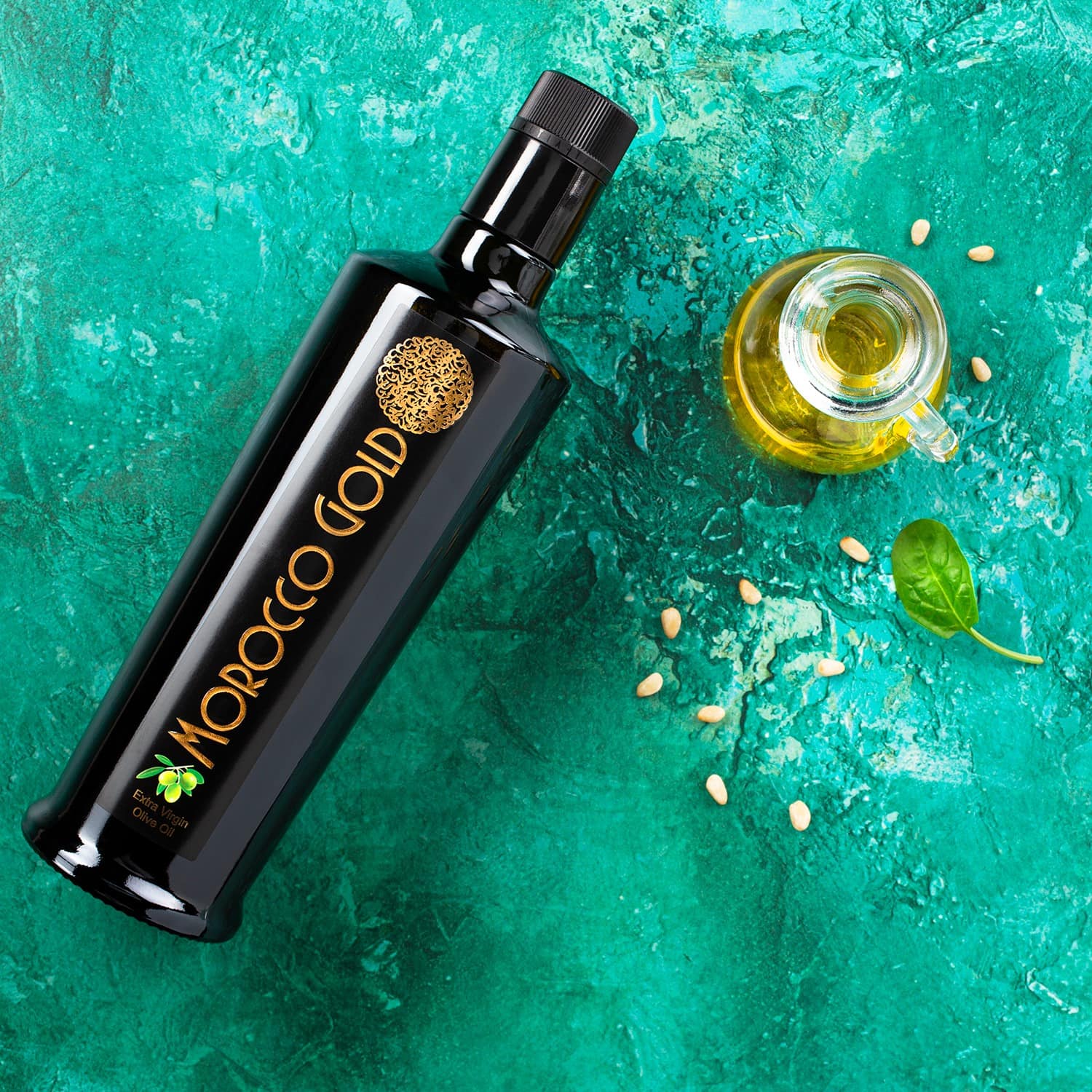
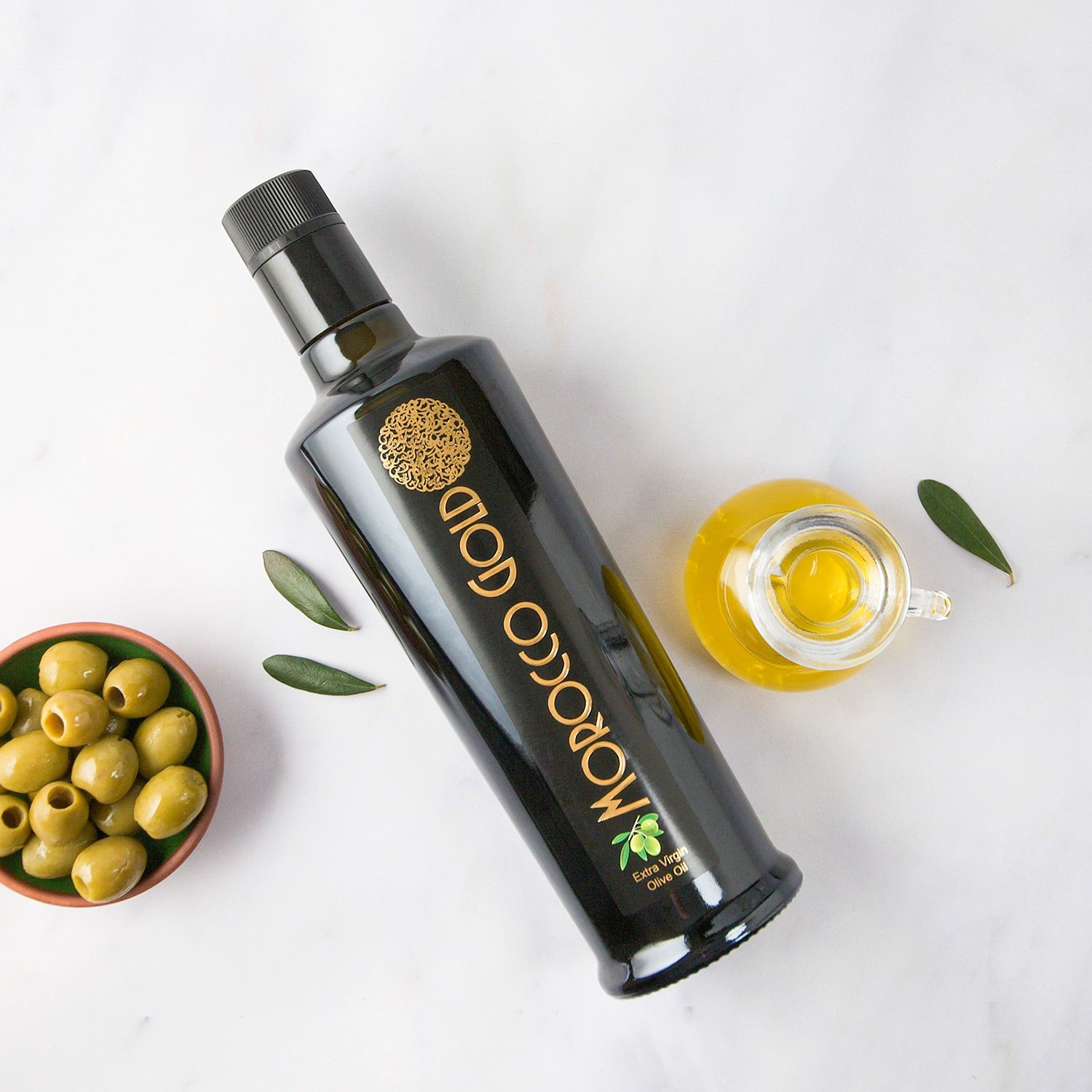
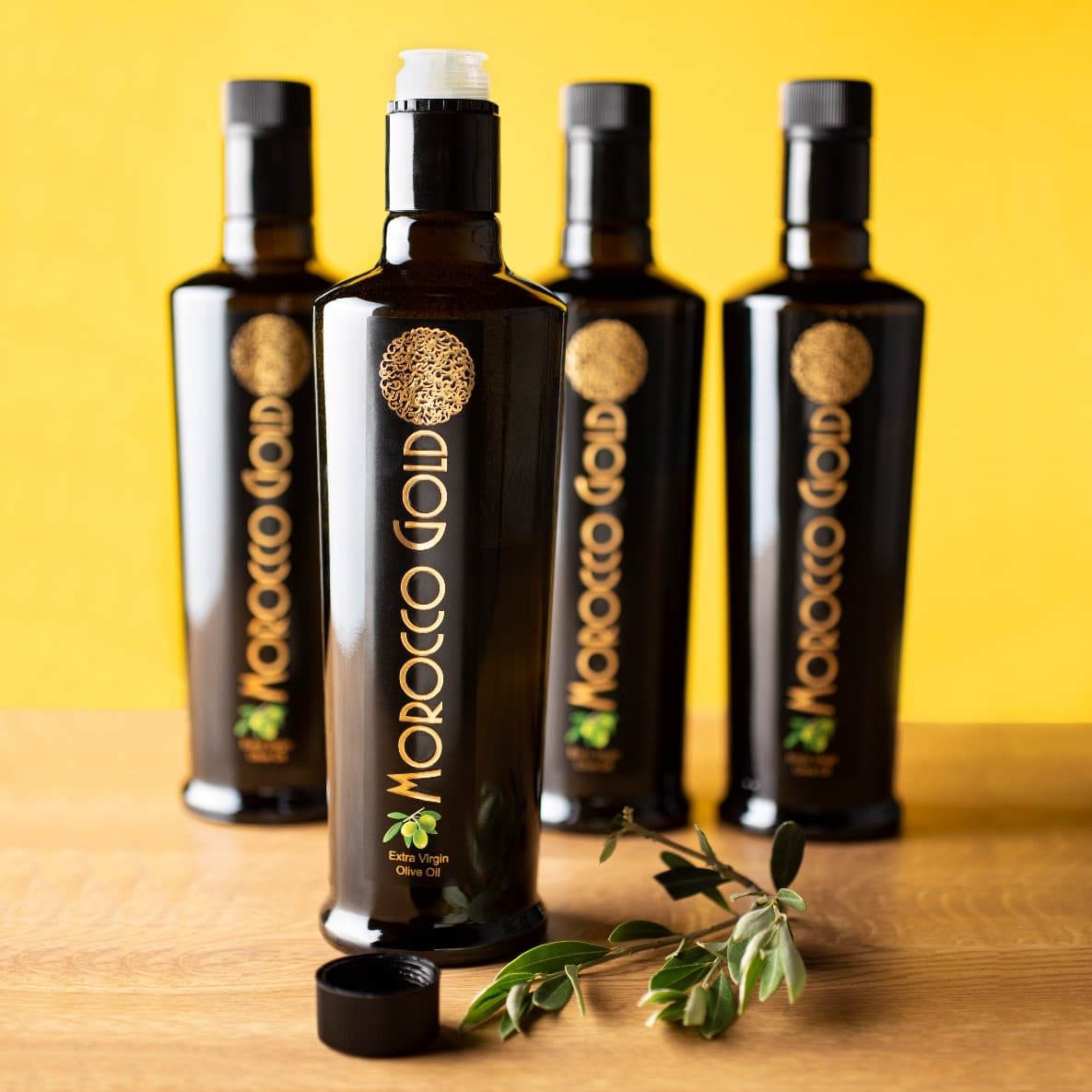
- Dark Glass is Best: Always buy oil in dark glass bottles or tins. Clear glass allows light to photo-oxidize the oil, turning it rancid quickly.
- Keep it Cool: Store your oil in a cool cupboard, away from the stove or oven.
- Seal it Tight: Oxygen is the enemy. Keep the cap on tight and try to use the bottle within 30 to 60 days of opening.
The Bottom Line
Finding fresh olive oil requires a bit of detective work, but the payoff in flavour and wellness is worth it. Next time you shop, look for that harvest date, demand transparency, and trust your palate.
Once you’ve chosen a fresh bottle, understanding how to use extra virgin olive oil properly can help you get the most flavour and nutritional value from it.
For more information on sourcing single-estate, high-polyphenol oil, visit Morocco Gold.