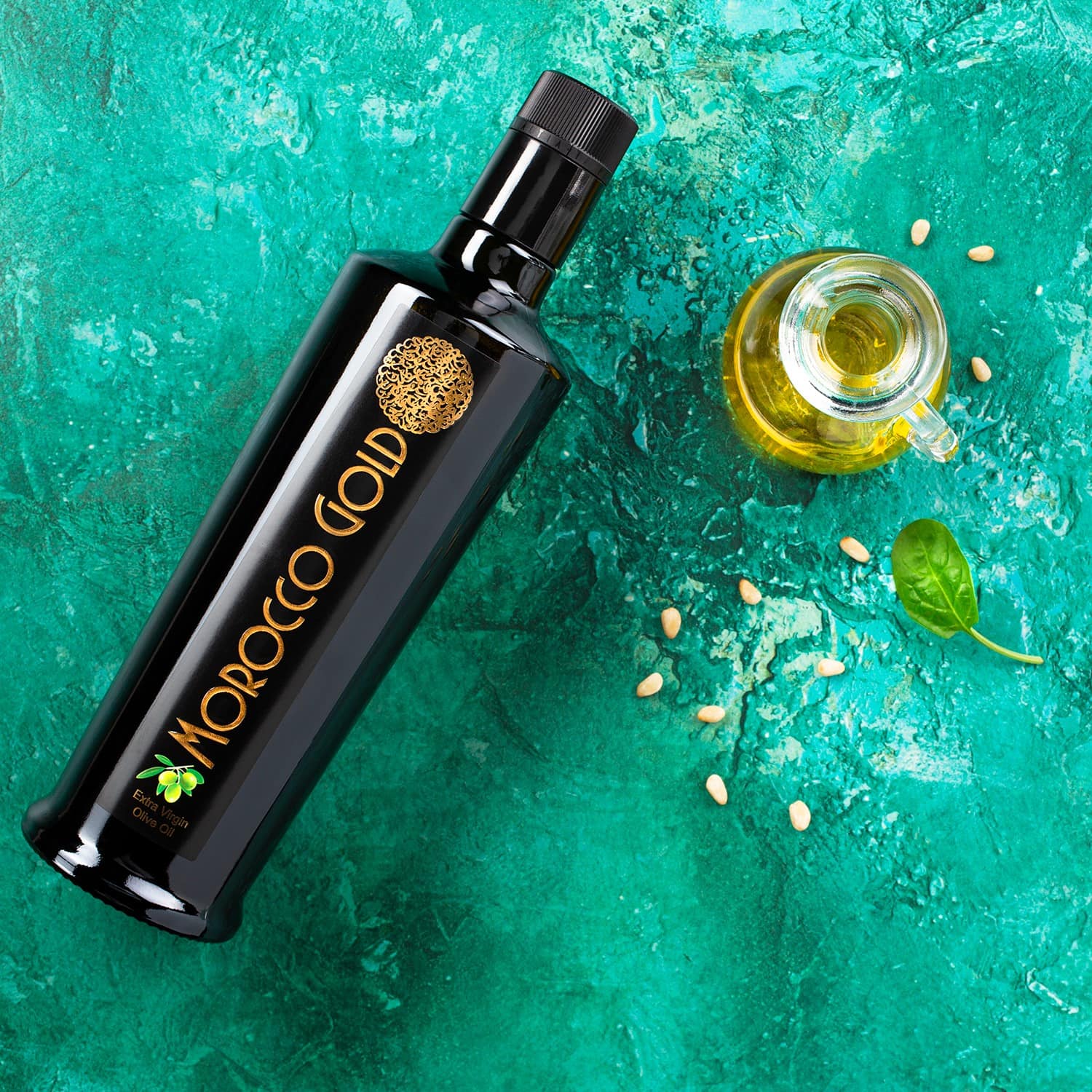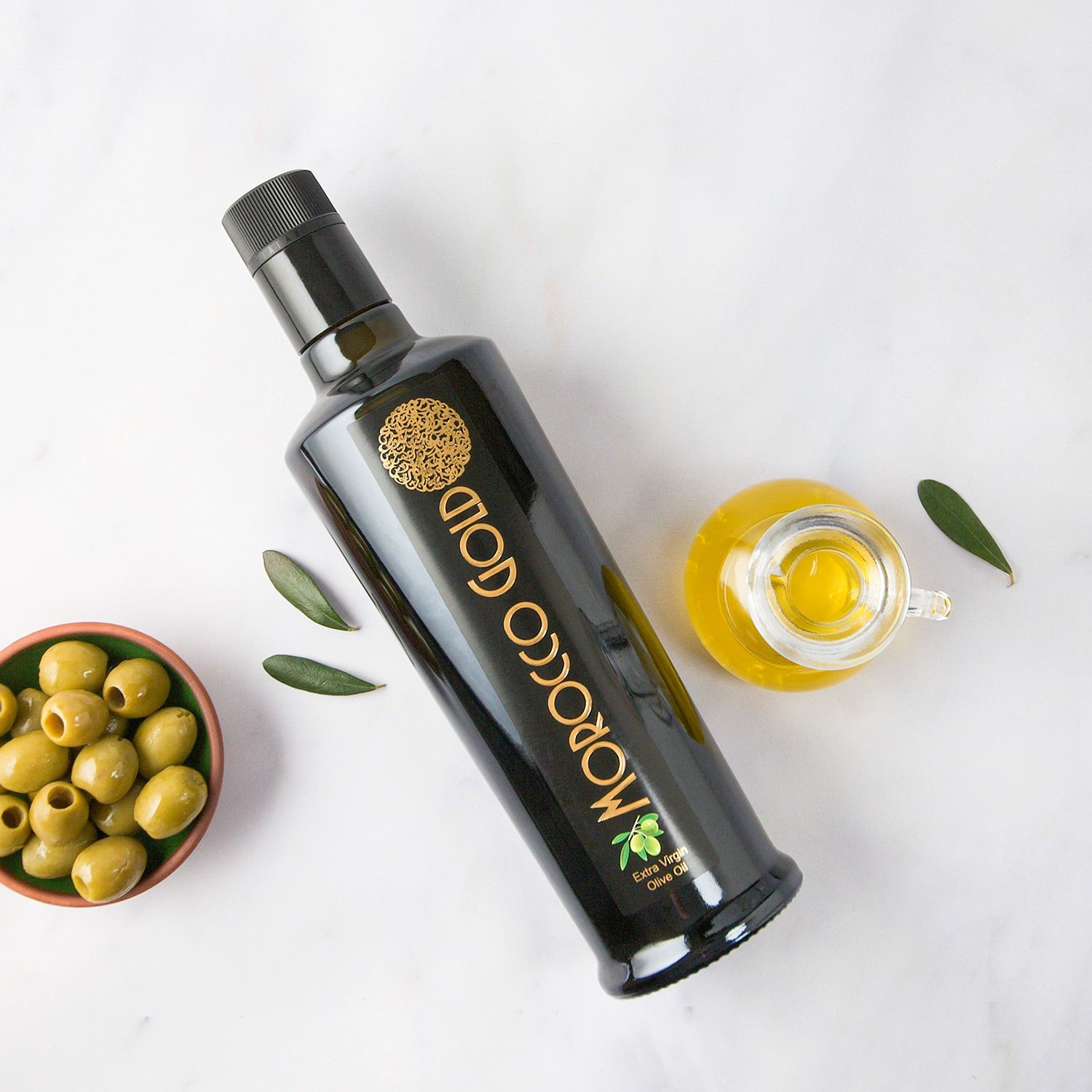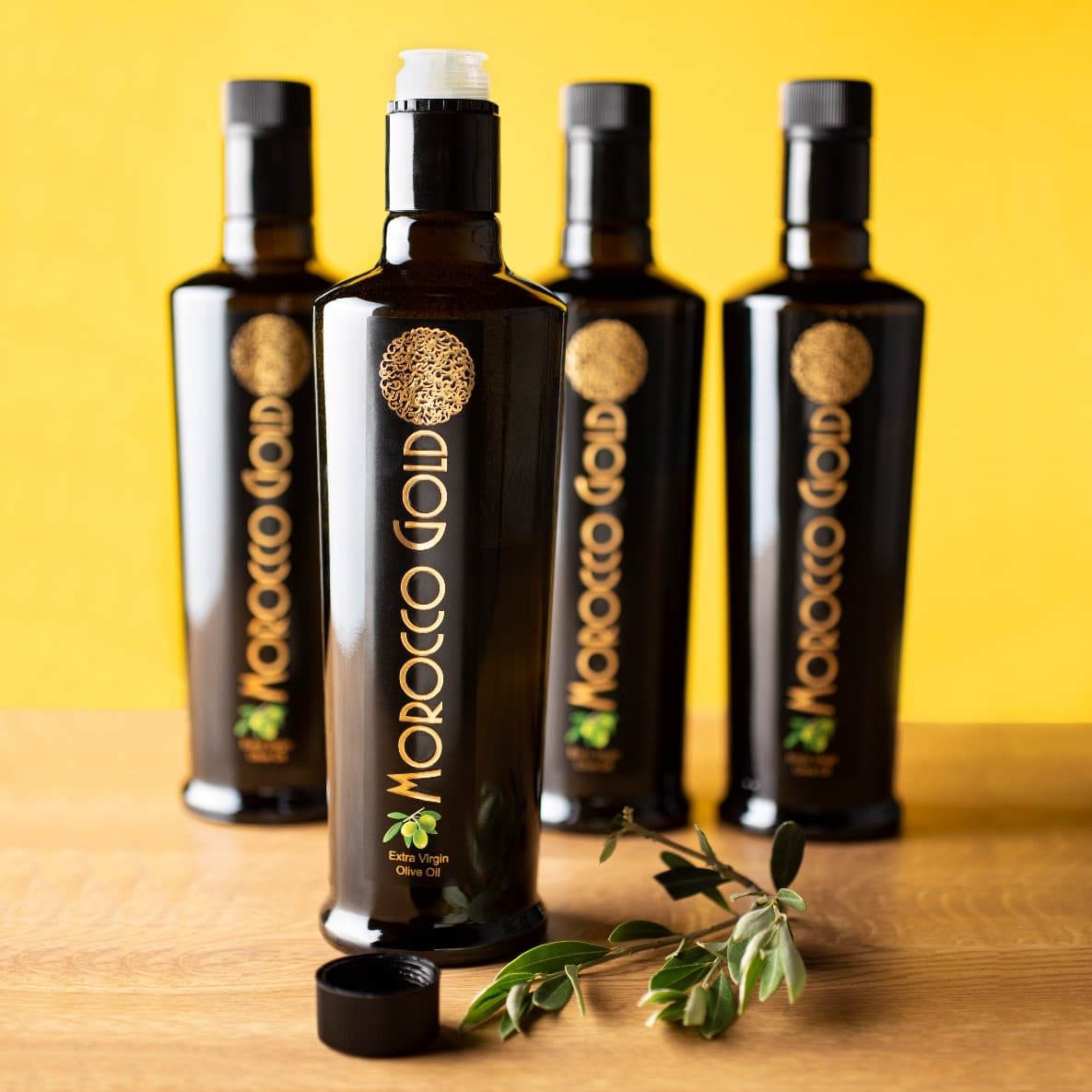

For many olive oil lovers, the term “extra virgin” is a mark of quality – as it is at Morocco Gold. However, there is another critical factor that determines the flavour, polyphenol count, and overall vitality of the oil: the harvest date.
Olive oil harvest season plays a major role in flavour, freshness and polyphenol content, particularly in early harvest extra virgin olive oil.
Key Points At A Glance
- Olive oil harvest season usually runs from September to January in the Northern Hemisphere
- Early harvested olives often produce oils with fresher flavours and higher polyphenol levels
- Harvest timing affects flavour, colour and oil yield
- Freshly harvested olive oil typically delivers stronger aromas and peppery characteristics
- Morocco Gold focuses on early harvest production for freshness and quality
What Month Is Olive Oil Harvested?
Generally speaking, olive oil harvest season occurs once a year, typically in the autumn and early winter. In the Northern Hemisphere (including the Mediterranean and North Africa), the window opens as early as late September and runs through January.
The specific timing within this window depends on the desired style of oil:
| Harvest Stage | Typical Timing | Oil Characteristics |
|---|---|---|
| Early Harvest | September – October | Peppery, vibrant, high in polyphenols |
| Main Harvest | November – December | Balanced flavour and moderate intensity |
| Late Harvest | December – January | Milder, softer and lower in polyphenols |
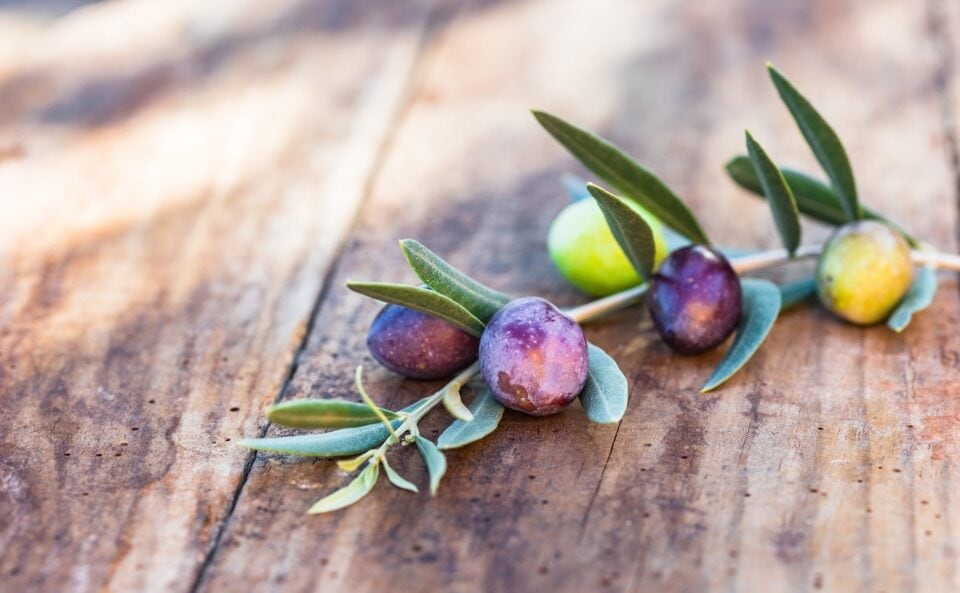
- Early Harvest (September – October): This is when olives are still green. They yield less oil, but the oil they do produce is high in chlorophyll and polyphenols. This results in a vibrant green colour and a pungent, peppery “kick.”
- Main Harvest (November – December): As the olives turn from green to purple (the veraison stage), the oil content increases. This produces a balanced, golden-green oil with a mix of fruitiness and spice.
- Late Harvest (December – January): Fully ripened black olives produce a mellow, buttery, and golden oil. While these are easier to press, they often lack the high antioxidant levels found in earlier picks.
Why Olive Oil Is Seasonal (And Why It Matters)
Olive oil is inherently seasonal because it is a biological product tied to the life cycle of the Olea europaea tree. Once an olive is plucked from the branch, the clock begins to tick.
The Freshness Factor Unlike many pantry staples, olive oil degrades over time. Light, heat, and oxygen are its enemies. Seasonal harvesting ensures that the oil is pressed at the peak of the fruit’s chemical composition. When you buy “New Harvest” oil, you are getting a product that has not sat in a silo or on a shelf for a year, losing its aromatic compounds.
Health Benefits (Polyphenols) The seasonal nature matters most for health. The high concentration of polyphenols—the antioxidants responsible for anti-inflammatory properties—is highest when the fruit is harvested at the precise moment of ripeness. By the time the next harvest season rolls around, the previous year’s oil will have significantly lower bioactive potency.
Spotlight: New Harvest Morocco Gold
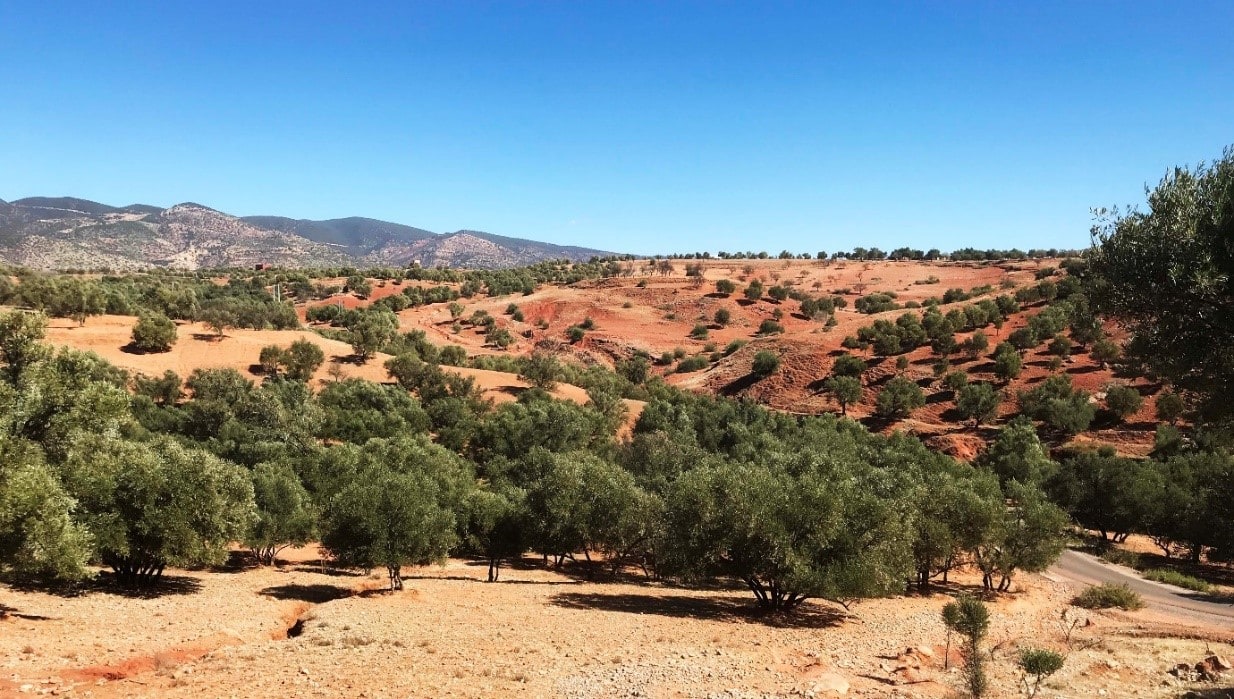
When discussing the pinnacle of the harvest season, Morocco Gold stands out as a primary example of why timing is everything. Located in the foothills of the Atlas Mountains, the Beni-Mellal region provides a unique microclimate for the Picholine Marocaine olive.
Why Morocco Gold Harvests Early
Morocco Gold focuses on early season harvesting to preserve flavour and naturally high antioxidant levels.
Because Morocco Gold olives are harvested early, the oil retains its vibrant flavour and characteristic peppery finish. For the consumer, this translates to the characteristic “burn” at the back of the throat—a sign of high antioxidant activity. The latest harvest achieved an acidity level of 0.19% – which is the lowest we have ever achieved and our polyphenol level is 606mg/kg – again – well above the health benefits level of 250mg/kg
- The Sensory Experience: The New Harvest Morocco Gold is celebrated for its “green” profile. You will find notes of fresh-cut grass, green almonds, and herbs. These fresh green aromas are strongest immediately after the press and gradually fade, which is why sourcing oil from the most recent harvest is essential for the best culinary experience.
- Gold Standard Quality: By focusing on a single-estate, early-season harvest, Morocco Gold ensures that the oil avoids the oxidation that can occur with late-season, over-ripened fruit.
Conclusion
If you want to experience olive oil as a superfood and a gourmet ingredient, you must pay attention to the harvest calendar. Look for bottles that specify the harvest year. When you choose a “New Harvest” oil like Morocco Gold, you aren’t just buying a cooking fat; you are capturing a specific moment in time—the exact point where the sun, soil, and fruit have aligned to produce the highest possible quality of liquid gold.