
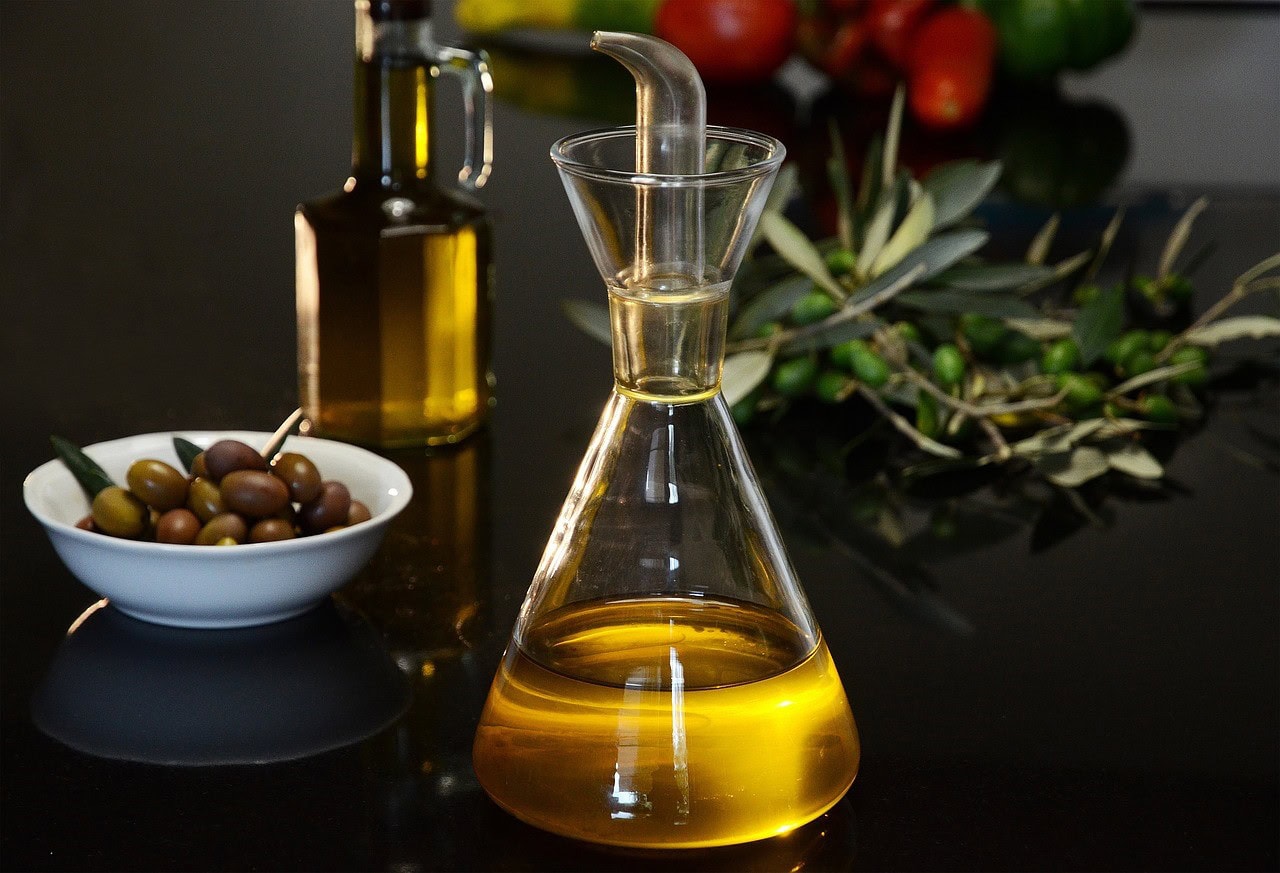
Pairing Extra Virgin Olive With Other Food and Drink

Mediterranean Diet Out Top For Wellbeing

Extra virgin olive oil is one of the most versatile flavour enhancers in the Mediterranean diet, pairing beautifully with everything from fresh vegetables to seafood, grains, desserts and even fruit. Its balance of healthy fats, antioxidants and natural flavour compounds helps elevate both simple dishes and complex recipes. This guide explores the best food and drink pairings for Morocco Gold EVOO.

Summary

Key Pairing Tips at a Glance

  • Extra Virgin Olive Oil enhances flavour without overpowering dishes.
  • Works beautifully with vegetables, seafood, grains, bread, cheese and even desserts.
  • EVOO adds richness, aroma and the “peppery finish” associated with polyphenols.
  • A high-quality oil like Morocco Gold works best as a finishing oil to maximise taste.
  • Pair strong oils with bold dishes and lighter oils with delicate foods.

Contents

  1. Why Extra Virgin Olive Oil Deserves a Place In Your Kitchen
  2. Perfect Food Pairings with Olive Oil
  3. How to Get the Most Flavour Out of Olive Oil Pairings
  4. Taste the Magic of Olive Oil Pairings

Why Extra Virgin Olive Oil Deserves a Place In Your Kitchen

A quality extra virgin olive oil like Morocco Gold isn’t just a cooking staple—it’s a liquid treasure that brings depth, balance, and character to any dish. Why not dive into our top tips for pairing your olive oil well.

Made from cold pressed olives, it retains a wealth of antioxidants, healthy monounsaturated fats, and natural flavor compounds that other oils simply can’t match. From its silky richness to its distinctive, peppery notes, olive oil brings something special to the table.

Whether you’re drizzling it over fresh greens or using it to finish a sizzling steak, EVOO elevates both taste and nutrition. Its versatility makes it a must-have in every kitchen, from home cooks to professional chefs.  If you’re a foodie looking to experiment with flavours, a health-conscious eater, or a seasoned home cook, this guide will introduce you to the best olive oil pairings.

Morocco Gold is naturally rich in polyphenols, which contribute to its fruity aroma, peppery finish and ability to elevate savoury and sweet dishes alike.

Perfect Food Pairings with Olive Oil

Extra virgin olive oil shines when paired with fresh, seasonal ingredients—the key is to match the intensity of the oil with the strength of the food’s flavour.

The beauty of olive oil lies in how it complements such a wide variety of ingredients. Here are some perfect pairings to explore:

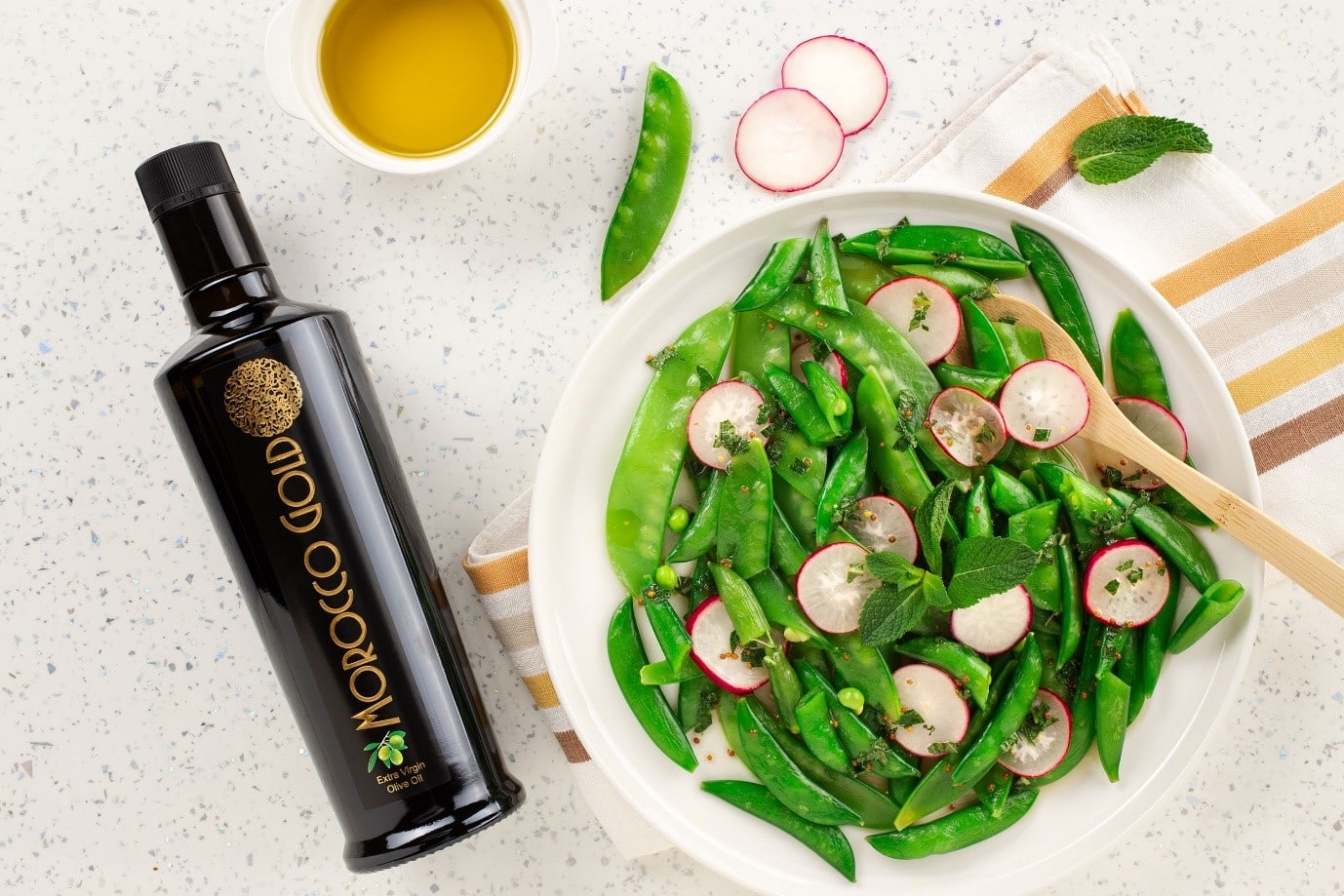
  • Fresh Vegetables: A peppery extra virgin olive oil like Morocco Gold brings vibrancy to salads, grilled asparagus, or roasted root vegetables.
  • Seafood: Olive oil pairs beautifully with white fish, prawns, or scallops—especially when finished with a squeeze of lemon.
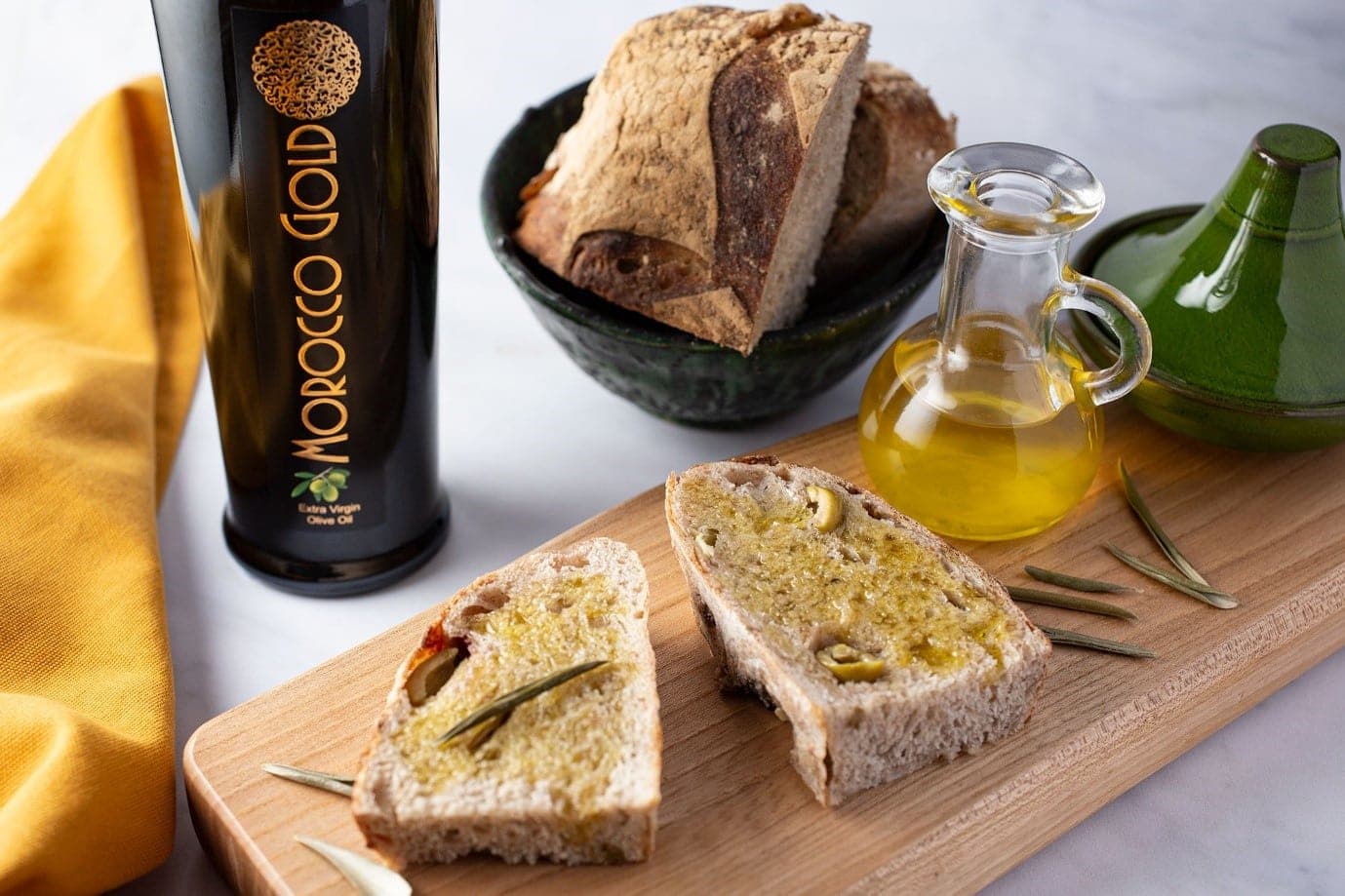
  • Bread and Cheese: Classic and irresistible—pour a pool of rich EVOO for dipping crusty bread, or drizzle over mozzarella, burrata, or feta.
  • Meat and Poultry: A robust olive oil enhances the depth of grilled lamb or roasted chicken. Use it as a marinade base with herbs and garlic.
  • Desserts: Surprising but divine—Extra Virgin Olive Oil complements dark chocolate, citrus cakes, and even vanilla ice cream with a luxurious, silky finish.
Food TypeWhy It Pairs Well With EVOORecommended Olive Oil Style
Fresh VegetablesEnhances natural sweetness and adds vibrancyPeppery or medium-intensity EVOO
SeafoodAdds moisture, aroma and a clean, bright finishMild and fruity EVOO
Bread & CheeseElevates creamy, salty or crusty texturesMedium to robust EVOO
GrainsAdds silkiness and depthMedium EVOO
Desserts & FruitEnhances sweetness & adds luxuryFruity, aromatic EVOO

Extra virgin olive oil is a versatile ingredient that can elevate the flavours of countless dishes while offering impressive health benefits. From its silky richness to its distinctive, peppery notes, olive oil brings something special to the table. Whether you’re a foodie looking to experiment with flavours, a health-conscious eater, or a seasoned home cook, this guide will introduce you to the best olive oil pairings that complement any culinary creation.

Beyond flavour, EVOO also contributes meaningful health benefits thanks to its antioxidants, polyphenols and heart-healthy monounsaturated fats.

Health Benefits of Olive Oil

As we mentioned earlier, extra virgin olive oil is packed with antioxidants, healthy monounsaturated fats, and anti-inflammatory properties, offering a slew of health benefits. Using olive oil in your diet has been linked to:

  • Improved heart health
  • Lowered risk of chronic diseases
  • Enhanced cognitive function
  • Better skin and hair health

Our extra virgin olive oil is packed with healthy polyphenols

Purchase

But beyond the science, what makes olive oil truly fantastic is its ability to enhance flavours without overpowering them. Its versatility can complement everything from sweet desserts to savoury dishes.

How to Get the Most Flavour Out of Olive Oil Pairings

To fully enjoy olive oil pairings, always use high-quality oils, particularly extra virgin olive oil. This type is unrefined, meaning it retains more nutrients and has a robust, fruitier flavour profile perfect for pairing. From appetizers to desserts, olive oil pairs brilliantly with a wide variety of foods. Here’s how to make the most of this golden liquid:

1. Olive Oil and Fresh Bread

There’s nothing quite as satisfying as dipping crusty fresh bread into a pool of extra virgin olive oil. Make it even better by adding:

  • A sprinkle of sea salt
  • A dash of balsamic vinegar
  • Crushed garlic or herbs like rosemary and thyme

This pairing is a timeless starter for any meal or a quick snack.

2. Olive Oil Drizzled Over Roasted Vegetables

Vegetables and olive oil are a match made in heaven. Toss your favourite veggies—like carrots, bell peppers, or zucchini—with olive oil, sea salt, and black pepper before roasting. The result? Tender vegetables with caramelized edges and a flavour boost.

Pro tip: Pair earthy vegetables like sweet potatoes with a robust olive oil for extra depth.

3. Elevating Pasta and Pizza

For Italian cooking enthusiasts, olive oil is indispensable.

  • Pasta: Finish off your favourite pasta dish with a drizzle of extra virgin olive oil for a luxurious touch. It works especially well with lighter sauces like aglio e olio (garlic and oil) or marinara.
  • Pizza: Forget greasy toppings—opt for a light drizzle of olive oil over your baked pizza to bring out the flavours of the crust and toppings.

Add fresh basil or chili flakes for an extra kick!

4. Pairing Olive Oil with Seafood

The subtle fruitiness of olive oil pairs exquisitely with seafood dishes:

  • Use it as a marinade for salmon or shrimp, combining olive oil with lemon juice, garlic, and herbs.
  • Drizzle olive oil over freshly grilled fish for added moisture and flavour.

Olive oil enhances the seafood’s natural sweetness, making each bite unforgettable.

5. Cheese and Olive Oil

Brighten up your cheese platters by drizzling olive oil over soft cheeses like mozzarella or burrata. Pair these with sun-dried tomatoes, olives, or fresh basil for a classic Mediterranean vibe.

For a bold twist, try it with feta cheese. A touch of olive oil with oregano or chili flakes transforms feta into an addictive spread.

6. Grains and Olive Oil

Bring your grains to life:

  • Mix olive oil into quinoa or farro with chopped herbs, lemon zest, and crushed nuts for a refreshing salad.
  • Add a quick drizzle to rice pilaf or couscous before serving for a silky texture and lighter finish.

This pairing can make even the simplest grains feel gourmet.

7. Salads with Olive Oil

Olive oil is the foundation of countless salad dressings. Combine it with vinegar, mustard, honey, or even fresh fruit juices like pomegranate for endless dressing possibilities. It also binds the salad’s ingredients together, ensuring every bite is balanced and tasty.

Pro tip: Use a mild extra virgin olive oil for leafy salads and a stronger-flavoured oil for heartier salads with grains or roasted veggies.

8. Desserts with Olive Oil

Yes, olive oil belongs in desserts too! Its velvety texture and fruity notes amplify sweetness in unexpected ways:

  • Drizzle it over vanilla gelato and finish with a pinch of sea salt.
  • Swirl it into cake batters for a moist and subtly fruity sponge.
  • Try olive oil chocolate truffles—a delightful harmony of richness and smoothness.

9. Olive Oil and Fresh Fruit

Pairing olive oil with fruit may sound unconventional, but it works beautifully:

  • Drizzle it over sliced peaches or nectarines with fresh mint.
  • Combine olive oil with honey or balsamic glaze and pour it over a fruit salad.

Olive oil enhances the fruit’s natural sweetness while adding complexity to the flavour profile.

How to Get the Most Flavour Out of Olive Oil Pairings

To enjoy olive oil at its best, treat it as a finishing touch rather than just a cooking medium. High heat can mute its delicate notes, so drizzle it over dishes once they’re plated or use it in dressings and marinades. Pair bold oils with strong flavors (like steak or kale) and lighter oils with delicate ingredients (like fish or soft cheese). And always taste your olive oil before using—it should smell fresh, grassy, or fruity, not musty or metallic.

For a sensory experience, try an olive oil tasting at home: pour a small amount into a glass, warm it in your hands, inhale the aroma, and take a sip. Notice the bitterness, fruitiness, and peppery finish—these are signs of quality and freshness.

Every drop of extra virgin olive oil tells a story—of sun-drenched groves, centuries-old traditions, and the art of balance. Here are a few final tips to treat your olive oil with care;

  • Serve it fresh: Heat can degrade olive oil’s flavour and nutrients, so use it raw or add it to hot dishes just before serving.
  • Experiment with varieties: Different oils offer unique flavours—some are mild and grassy, while others are bold and peppery. Sample a few to discover what works best for your favourite dishes.
  • Store it correctly: Keep olive oil in a cool, dark place to preserve its freshness and quality.

Explore More Delicious Ways to Use Morocco Gold

Discover how Morocco Gold enhances vegetables, seafood, grains and desserts — or browse our Recipes & Inspiration hub for more food pairing ideas.

👉 Buy Morocco Gold Extra Virgin Olive Oil
FAQs About Pairing Extra Virgin Olive Oil With Food

Important Disclaimer

The information provided on this website is for general informational purposes only. All content, including text, graphics, images, and information, is presented as an educational resource and is not intended as a substitute for professional medical advice, diagnosis, or treatment.

Please consult with a qualified healthcare provider before making any decisions or taking any action based on the information you find on this Website. Do not disregard, avoid, or delay obtaining medical or health-related advice from your healthcare provider because of something you have read on this Website.

If you think you may have a medical emergency, call your doctor, go to the nearest emergency department, or call emergency services immediately. We are not responsible for any adverse effects resulting from your use of or reliance on any information or content on this Website.

By using this Website, you acknowledge and agree to this disclaimer in full.

Extra Virgin Olive Oil As A Substitute For Butter

Extra Virgin Olive Oil

Extra virgin olive oil isn’t just a healthier fat — it’s one of the easiest and most versatile butter substitutes you can use in everyday cooking and baking. Its rich flavour, antioxidants and heart-friendly monounsaturated fats make EVOO an ideal option for anyone looking to reduce saturated fat without compromising taste or texture.

Summary

Key Points at a Glance

  • EVOO is rich in heart-healthy monounsaturated fats & polyphenols.
  • Replacing butter with EVOO reduces saturated fat intake.
  • Works perfectly in baking, sautéing, marinades & dressings.
  • EVOO keeps baked goods moist and adds delicate, fruity flavour.
  • Easy conversion: use ¾ the amount of butter when substituting with EVOO.

Contents

  1. Extra Virgin Olive Oil Versus Butter – The Great Debate
  2. Understanding The Importance Of Healthy Fats Like Extra Virgin Olive Oil
  3. Extra Virgin Olive Oil vs Butter Which is Better for Heart Health
  4. Extra Virgin Olive Oil (EVOO) As A Substitute For Butter In Baking
  5. How do I substitute olive oil for butter in cakes and other baked goods?
  6. Benefits of Butter
  7. The Nutritional Content of Olive Oil

Extra Virgin Olive Oil vs Butter: What’s the Difference?

If you’re a health-conscious foodie or a dedicated advocate for heart health, you may already be interested in the differences between extra virgin olive oil and butter.

With many of us striving to make dietary choices for heart-health, understanding the impact of these two fats on our cardiovascular well-being is paramount. In this blog post, we’ll explore the benefits and drawbacks of extra virgin olive oil and butter, offering insights that can help you make informed decisions when buying a bottle of olive oil.

Compared to butter, EVOO provides antioxidants, polyphenols and healthy fats that support overall wellbeing. These compounds also form part of the Mediterranean diet, well known for its heart-health benefits.

Understanding The Importance Of Healthy Fats Like Extra Virgin Olive Oil

Fats have often been labelled as dietary villains, but not all fats are created equal. Healthy fats, such as monounsaturated fats are essential for our body, playing crucial roles in energy production, nutrient absorption, and hormone regulation.

Monounsaturated fats, abundant in EVOO, are known for their heart-healthy properties. They help reduce bad cholesterol levels and are associated with a lower risk of heart disease. These fats also provide essential fatty acids that the body cannot produce on its own.

Saturated fats, predominant in butter, have a different impact on heart health. Excessive intake of saturated fats can elevate LDL cholesterol levels, a key risk factor for heart disease. Moderation is crucial when incorporating butter into a heart-healthy diet. But how else can you include extra virgin olive oil (EVOO) into a healthy lifestyle?

Extra Virgin Olive Oil vs Butter Which is Better for Heart Health

Heart health is a priority for many of us, and the choices we make in our kitchens can have a significant impact. One common debate centres around two popular fat sources—extra virgin olive oil and butter. Which one is better for your heart? This blog post will break down the benefits and drawbacks of both, providing you with valuable insights to make an informed decision.

  • Impact on Cholesterol Levels

Research shows that monounsaturated fats, like those found in extra virgin olive oil, can lower LDL (bad) cholesterol levels while maintaining HDL (good) cholesterol. This balance is essential for reducing the risk of heart disease.

Butter, which is high in saturated fats, can increase LDL cholesterol levels. High LDL cholesterol is a known risk factor for heart disease, making it less favourable for those focused on heart health.

Regular use of EVOO also supports cardiovascular health — a key theme explored in our Heart & Cholesterol hub.

  • Antioxidants and Heart Health

Extra virgin olive oil is packed with antioxidants, particularly polyphenols, which have anti-inflammatory properties. These antioxidants help protect your heart by reducing inflammation and preventing the oxidation of LDL cholesterol, a key factor in the development of heart disease.

Subscribe & Save 5% off Morocco Gold Extra Virgin Olive Oil

Purchase

Butter contains some antioxidants, but its benefits are overshadowed by its high saturated fat content. While it offers some nutritional value, it doesn’t provide the same heart-protective properties as extra virgin olive oil.

Extra Virgin Olive Oil (EVOO) As A Substitute For Butter In Baking

Extra virgin olive oil is suitable for most cooking methods, including sautéing and baking. The rich flavour adds depth to dishes, making it a versatile choice in the kitchen.

The antioxidants and nutrients in extra virgin olive oil remain stable at moderate cooking temperatures, allowing you to enjoy its benefits even when used in cooking.

Why not check out the tempting selection of recipes on our website and get baking with olive oil?

Many bakers prefer using EVOO because it keeps cakes moist for longer and enhances flavours without overpowering them.

When it comes to baking, it’s easy to default to butter as the standard ingredient. However, did you know that extra virgin olive oil (EVOO) makes for a healthier and equally tasty substitute? Not only does it provide a unique and subtle flavor to baked goods, but it is also lower in saturated fat and higher in heart-healthy monounsaturated fat compared to butter. When choosing an olive oil substitute, opt for extra virgin olive oil (EVOO). This type of oil is made by cold-pressing the olive fruit without the use of chemicals or heat, preserving its antioxidants and nutrients. Moreover, studies have found that adding extra virgin olive (EVOO) oil to your diet can lead to a multitude of health benefits, including improved heart health, reduced inflammation, and enhanced brain function.

Swapping extra virgin olive oil (EVOO) for butter reduces saturated fat. Plus, high quality extra virgin olive oil (EVOO) like Morocco Gold adds a wonderful, nuanced flavor to baked goods and keeps them moist. Extra virgin olive oil (EVOO) also contributes to a special, textured “crumb.” Read on to understand the fine print of using olive oil for baking.

How do I substitute olive oil for butter in cakes and other baked goods?

As a general rule of thumb, substitute three-quarters of the butter in a recipe with extra virgin olive oil. In other words: If a baking recipe calls for a stick of butter (8 tablespoons), for example, use 6 tablespoons of extra virgin olive oil (EVOO) olive oil.  If the recipe uses melted butter, substitute the extra virgin olive oil (EVOO) for the butter at three-quarters of the amount. Here is a handy conversion chart:

Butter-to-Olive-Oil Conversion Chart

BUTTEROLIVE OIL
1 TEASPOON¾ TEASPOON
1 TABLESPOON2-¼ TEASPOONS
2 TABLESPOONS1-½ TABLESPOONS
¼ CUP (1/2 stick)3 TABLESPOONS
½ CUP (1 stick)¼ CUP + 2 TABLESPOONS
⅔ CUP½ CUP
¾ CUP½ CUP + 1 TABLESPOON
1 CUP (2 sticks)¾ CUP
2 CUPS (4 sticks)1-½ CUPS

If a recipe calls for vegetable or canola oil, can I use extra virgin olive oil instead?

Definitely, just use the extra virgin olive oil (EVOO) on a one-for-one basis. If a recipe, say, calls for half a cup of vegetable oil, use the same amount of extra virgin olive oil. Your cake and other baked goods will benefit from the fuller, delicious flavor.

Can I use any type of olive oil off the grocery shelf in baking?

Not if you want to improve the flavor of your baked good. Use a high-quality extra virgin olive oil (EVOO) that tastes good. Only use an extra virgin olive oil (EVOO) that you enjoy eating on salads, as a bread dip, etc.

Does Butter Have Any Benefits?

As we move to use more monounsaturated fats like olive oil in our cooking, it’s important not to overlook the benefits of butter in certain circumstances. For example, butter contains;

  • Source of Vitamins:

Butter contains fat-soluble vitamins like A, D, E, and K, essential for various bodily functions, including vision and skin health.

  • Conjugated Linoleic Acid (CLA):

CLA, found in butter, has been linked to potential health benefits such as improved metabolism and reduced body fat.

  • Natural Product:

Butter is a natural whole food, free from the additives and preservatives found in many processed spreads.

Drawbacks of Butter

  • High in Saturated Fats:

Butter’s high saturated fat content can raise LDL cholesterol levels, increasing the risk of heart disease.

Nutritional Benefits of Extra Virgin Olive Oil

Extra virgin olive oil is loaded with essential nutrients such as vitamins E and K. Vitamin E acts as an antioxidant, while vitamin K plays a vital role in blood clotting and bone health. Together, these vitamins help maintain a healthy heart.

Olive oil also contains omega-3 and omega-6 fatty acids, essential for reducing inflammation and maintaining cardiovascular health. These nutrients make extra virgin olive oil a solid choice for those prioritizing their heart health.

Key Takeaways:

The choice between extra virgin olive oil and butter ultimately depends on your health goals and lifestyle. For heart health advocates and nutrition enthusiasts, extra virgin olive oil stands out as the superior choice due to its numerous cardiovascular benefits.

However, butter can still have a place in a balanced diet when consumed in moderation. By making informed choices and understanding the impact of these fats on your heart health, you can enjoy a delicious and heart-healthy diet.

Explore our recipes and tips to incorporate more extra virgin olive oil into your meals, and join our community of health-conscious foodies on a journey towards better heart health!

Cook & Bake with Morocco Gold Extra Virgin Olive Oil

Swap EVOO for butter in everyday meals and baking for a richer flavour and healthier dietary profile.

👉 Buy Morocco Gold Extra Virgin Olive Oil
FAQs About Using Extra Virgin Olive Oil as a Substitute for Butter

Important Disclaimer

The information provided on this website is for general informational purposes only. All content, including text, graphics, images, and information, is presented as an educational resource and is not intended as a substitute for professional medical advice, diagnosis, or treatment.

Please consult with a qualified healthcare provider before making any decisions or taking any action based on the information you find on this Website. Do not disregard, avoid, or delay obtaining medical or health-related advice from your healthcare provider because of something you have read on this Website.

If you think you may have a medical emergency, call your doctor, go to the nearest emergency department, or call emergency services immediately. We are not responsible for any adverse effects resulting from your use of or reliance on any information or content on this Website.

By using this Website, you acknowledge and agree to this disclaimer in full.

Cooking with Extra Virgin Olive Oil

Premium Olive Oil With Highest Polyphenols

Summary

  • Stocking your kitchen with a bottle of extra virgin olive oil is one of the most important and health-boosting choices you can make. EVOO is an excellent edition to many cooking styles and adds health benefits and flavour to a huge range of dishes. Order your bottle of Morocco Gold today.

Contents

  1. The Magic of Extra Virgin Olive Oil
  2. Choosing And Storing The Right Olive Oil
  3. Best Ways to Use EVOO in Your Cooking
  4. Pairing Olive Oil with Food

Key Points at a Glance

  • Extra virgin olive oil is one of the most versatile and nutritious cooking oils, suitable for sautéing, roasting, baking and finishing dishes.
  • Premium EVOO contains natural polyphenols that support heart, brain, digestion and immune health.
  • EVOO can be safely heated for nearly all home-cooking temperatures without losing its benefits.
  • Correct storage—cool, dark, airtight containers—helps maintain flavour and antioxidant strength.
  • Morocco Gold is a single-estate, cold-pressed EVOO with naturally high polyphenols ideal for everyday cooking.

These highlights show why making Morocco Gold a daily part of your kitchen routine delivers both flavour and wellbeing.

The Magic of Extra Virgin Olive Oil

Extra Virgin Olive Oil is more than just a kitchen staple. If stored and used correctly, it is an essential addition to many of the most popular and nutritious diets around the world. EVOO is versatile, can be used when cooking at a range of different temperatures and has numerous health benefits too.

While there a wide range of olive oils to choose from, selecting the best quality extra virgin olive oil you can find is the surest way to increase the benefits derived from its use in your cooking. The definition of extra virgin olive oil is very precise regards production methods, taste and chemical composition. To be certified as extra virgin, an olive oil must:

  • Come from a single source, it is not mixed / blended with other olive oils, even if they are of extra virgin quality
  • Come from the first pressing of fresh, young olives, normally within 24 hours of harvesting
  • Be extracted purely by mechanical means at temperatures specifically below 28C.
  • Have free fatty acid or acidity level (normally measured as oleic acid) of less than 0.8%.
  • Be defect free and have a perfect taste and aroma.

So, how can we be sure to choose an extra virgin olive oil of proven high quality such as Morocco Gold when there is so much choice out there?

Choosing And Storing the Right Olive Oil

Correct selection and storage of extra virgin olive oil is a vital factor in preserving its quality and maximising flavour and health benefits.

It’s important to read the label on extra virgin olive oil before purchasing in order to make sure you are getting the highest quality product. At Morocco Gold, we ensure all of our labelling information is clear and transparent, including information on polyphenols, which are a vital component in delivering the health benefits associated with a high-quality extra virgin olive oil.

Usually, extra virgin olive oil will have phrases like ‘cold-pressed’ or ‘first cold pressed extra virgin olive oil’ labelled on the bottle, indicating that a chemical-free process was used in its extraction. Taking extra time to read the label ensures you get the best extra virgin olive oil for your culinary needs!

According to The Olive Oil Times, there are five keyways you can maximise the shelf life of your extra virgin olive oil. These are:

  • Avoid exposure to light
  • Choose the right packaging
  • Read the labels
  • Find the best-before date
  • Buy it fresh

The general rule of thumb is to keep your olive oil container as air tight as possible and store it in a sealed, dark container (glass or other material) and kept out of direct sunlight. If you prefer to buy your extra virgin olive oil in large quantities (Morocco Gold is currently available on a buy five and get your sixth bottle free promotion), decant the oil into smaller containers to protect it from the air until being used. If you store your olive oil in the fridge, it will eventually solidify, and condensation will promote oxidation.  And oxidation is not good for extra virgin olive oil! So keep it away from the fridge to improve the olive oil use by date.

If attention is given to all of the above factors, the best Extra Virgin Olive Oil can remain ‘extra virgin’ for up to two years after being packaged.

Best Ways to Use EVOO in Your Cooking

Drizzling: salads, soups, and finishing touches

When you’re drizzling extra virgin olive oil over your food or using it as a key ingredient in your cooking, you want to make sure you’re choosing a bottle that truly enhances your dishes. Look for a trusted brand that offers cold-pressed, unfiltered options for the best results.

Pro tip? Use cold-pressed versions to ensure all the nutrients stay intact—they’re not just good for your taste buds but great for your health, too! Now, onto the fun part—how you can use Extra Virgin Olive Oil to effortlessly upgrade your food prep.

The simplicity of a simple drizzle of extra virgin olive oil means that flavour is vital, and the best flavours come from olive oils that are produced with care and attention at every stage.

We know that extra virgin olive oil is great for cooking, sautéing, baking and as a dressing for salads.  In fact, we have a dedicated recipe section bursting with ideas for how to place your bottle of Morocco Gold centre stage in a stunning meal. 

Our top three simple choices for drizzling your extra virgin olive oil are;

  • Drizzle Extra Virgin Olive Oil On Your Sandwich
  • Add Some Olive Oil To Your Soup
  • Drizzle On Your Cheese

Sautéing and roasting: enhancing everyday dishes

Not only does Morocco Gold extra virgin olive oil help food to cook it also adds a premium, tasty addition to the dish. High quality extra virgin olive oil also has the unique ability to draw out and accentuate the taste of whatever you are preparing.

If your roasted vegetables haven’t been turning out perfectly caramelized and golden, you may need a little EVOO in the mix. When used for roasting, EVOO works its magic in several ways:

  • Crispy Perfection: The high-fat content in EVOO ensures a satisfying crisp on the outside while keeping the inside tender.
  • Flavour Infusion: Unlike other oils, EVOO adds a subtle layer of flavour to roasted vegetables, potatoes, or even proteins like chicken and salmon.
  • Ease of Use: Toss your ingredients with olive oil, salt, pepper, and your favourite herbs (like rosemary or thyme) before roasting. It’s simple, yet so effective.

Roasting tip: Always preheat your oven and use enough EVOO to coat your ingredients evenly. This prevents sticking and ensures an even roast.

Heat Guide for Cooking with EVOO

Cooking MethodTypical TemperatureSuitable for EVOO?
Drizzling / finishingRoom temperaturePerfect – best for flavour & antioxidants
Sautéing~120°C (248°F)Yes – very stable at this heat
Roasting160–200°C (320–392°F)Yes – ideal for vegetables & meats
BakingUp to 180°C (356°F)Yes – great butter substitute
Stir-frying176–204°C (350–400°F)Yes – within EVOO tolerance

This table shows why using a high-quality extra virgin olive oil such as Morocco Gold supports flavour, stability and nutritional strength across everyday cooking.

Here are some recipe ideas for roasting with extra virgin olive oil.

Baking: using EVOO instead of butter or other oils

When it comes to baking, most of us assume we need certain staple ingredients, including flour, eggs and butter. However, more and more recipes are emerging that use good quality  Moroccan olive oil instead, resulting in super moist and absolutely delicious cakes.

When you use olive oil as a substitute for butter in baking, you’re not only making a healthier choice, but you’re also adding depth and complexity to your recipes. EVOO’s subtle peppery flavor can enhance everything from cakes to cookies, giving a modern twist to traditional treats.

Here are some stand-out reasons to swap butter for extra virgin olive oil in your winter baking repertoire:

  • Healthier Fats: Butter is high in saturated fats, which can increase cholesterol. EVOO, on the other hand, is packed with heart-friendly monounsaturated fats.
  • Moisture: Olive oil makes baked goods incredibly moist and tender, especially cakes and quick breads.
  • Flavor: The slightly fruity, nutty undertones can elevate the flavor profile of many desserts.
  • Dairy-Free Option: For those who are lactose intolerant or prefer dairy-free options, EVOO is a fantastic substitute.

Why not try some of these delicious bakes with extra virgin olive oil today?

Marinades and dressings: unlocking depth of flavor

Extra virgin olive oil is an excellent base for marinades, adding both richness and depth of flavor while helping to tenderize meat, fish, or vegetables. Its fruity, slightly peppery notes complement herbs, spices, and acidic ingredients like lemon juice or vinegar, creating a balanced and aromatic mixture.

Beyond taste, olive oil acts as a carrier for fat-soluble flavors, allowing garlic, herbs, and spices to infuse more effectively into the food. It also helps form a protective coating that locks in moisture during cooking, resulting in a tender, flavorful dish with a subtle Mediterranean flair.

Pairing Olive Oil with Food

The versatility of extra virgin olive oil shows in the wide variety of food pairing options it can offer. The best quality extra virgin olive oils like Morocco Gold are an excellent pairing choice with fish, vegetables, pasta and even deserts.

For lots more recipe inspiration and food pairing with extra virgin olive oil ideas check out our recipes here and take advantage of one of our current discounts here.

Want to experience the difference premium EVOO makes?

👉 Shop Morocco Gold Extra Virgin Olive Oil

FAQs: Cooking with Extra Virgin Olive Oil

Important Disclaimer

The information provided on this website is for general informational purposes only. All content, including text, graphics, images, and information, is presented as an educational resource and is not intended as a substitute for professional medical advice, diagnosis, or treatment.

Please consult with a qualified healthcare provider before making any decisions or taking any action based on the information you find on this Website. Do not disregard, avoid, or delay obtaining medical or health-related advice from your healthcare provider because of something you have read on this Website.

If you think you may have a medical emergency, call your doctor, go to the nearest emergency department, or call emergency services immediately. We are not responsible for any adverse effects resulting from your use of or reliance on any information or content on this Website.

By using this Website, you acknowledge and agree to this disclaimer in full.

Close