
Turbot With Extra Virgin Olive Oil
If you are looking for a premium quality main dish to match the best quality extra virgin olive oil you can find, this mouth-watering recipe for Turbot with Olive Oil is the perfect pairing.
Purchase Evoo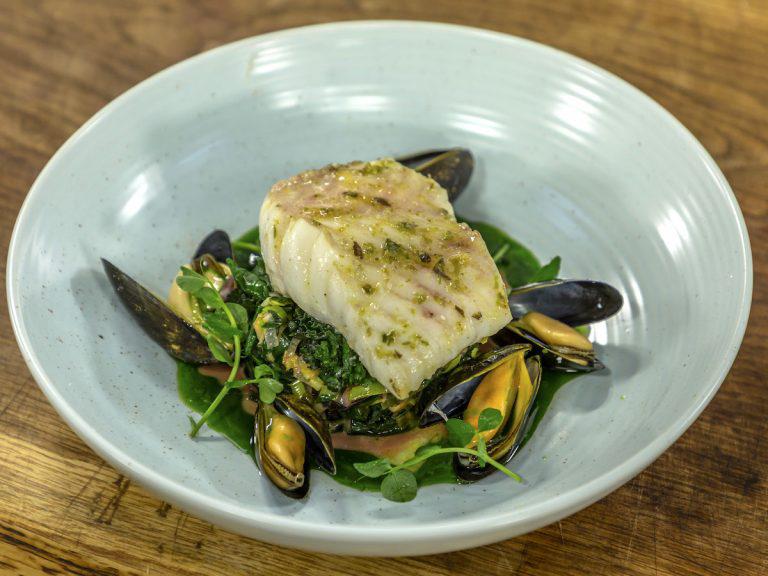
-

Amount
2
-

Time
-
Course
Main Dishes
If you are looking for a premium main dish to match the best quality extra virgin olive oil, this turbot with olive oil, seaweed butter and parsley dressing is the perfect pairing. Turbot’s delicate, clean flavour works beautifully with Morocco Gold, creating a restaurant-worthy plate at home.
By swapping some of the butter for extra virgin olive oil, you bring in heart-healthy fats, natural polyphenols and a lighter, more Mediterranean style of cooking – without losing any of the indulgence.
Key Points at a Glance
- Serve with simple, olive-oil-based sides for a complete meal that feels gourmet yet still supports your wellbeing.
- Cooking turbot with extra virgin olive oil instead of only butter adds heart-healthy monounsaturated fats to this elegant fish dish.
- Polyphenols and natural antioxidants in EVOO support a lighter, Mediterranean approach to cooking.
- Turbot is rich in omega-3 fatty acids, which are linked to heart and brain health when enjoyed as part of a balanced diet.
- Olive oil helps the flavours of seaweed, leeks, parsley and sea vegetables shine without overpowering the fish.
Health Benefits of Cooking Fish With Olive Oil Instead of Butter
This simple swap fits perfectly with a Mediterranean-style way of eating, which is often associated with heart and cardiovascular health when combined with an overall balanced lifestyle.
Switching from butter to olive oil isn’t only a flavour choice—it’s a smart nutritional upgrade.
1. Heart-Healthy Fats
Olive oil is packed with monounsaturated fats, known for supporting cardiovascular health by improving cholesterol levels and reducing inflammation. Butter, by contrast, contains higher amounts of saturated fat.
2. Antioxidant Power
Extra virgin olive oil contains natural antioxidants such as polyphenols, which have been tied to reduced oxidative stress and long-term health benefits.
3. Better for Light, Mediterranean-Style Cooking
If you’re aiming for a lighter dish—one that feels elegant rather than heavy—olive oil provides richness without the weight of butter.
4. Supports Better Digestion
Olive oil tends to be gentler on the digestive system, making your turbot dish satisfying but not overly rich.
How to Cook Turbot with Olive Oil
This turbot and olive oil recipe is super tasty and packed with minerals & vitamins and high in omega-3 fatty acids, which are beneficial for heart health.
Ingredients
Total
- 2 6oz turbot fillets skin on & quite thick
- 2 tbsp seaweed flakes
- 2 tablespoons extra virgin olive oil
- 25g butter
- Juice of half a lemon
- 250ml of extra virgin olive oil
- 1 small bunch parsley
- 2 cloves garlic
- Zest and juice ½ lemon
- Half a leek, finely sliced
- 25g butter
- Salt and pepper
- 100ml dry white wine
- Pinch of salt and pepper
- Handful of spinach
- 2 pieces of chard
- 50g samphire grass
- 10-12 kalettes
- 100g fresh Cornish mussels
Instructions
Total
- First job is to get the parsley, garlic, lemon, extra virgin olive oil ready, which can be done the day before. Bring a pan of water to the boil, place the parsley in the boiling water for 30 seconds, refresh in iced water and squeeze to get all the water out. In a blender add the olive oil, the squeezed parsley, zest and half the juice of the lemon, a good pinch of salt and the garlic. Blend for 1 minute, add more olive oil if required. Drain through muslin laid into a sieve into a clean bowl and leave for several hours to drop through, to leave you with a bright green dressing.
- To cook the turbot: place a pan over a medium heat, add a little extra virgin olive oil, a good knob of butter and the seaweed. When the butter is melted add the turbot. Fry gently, skin side down for 2 minutes, then turn, baste and pop in to a pre-heated 200ºC oven for 8-10 minutes.
- Meanwhile, gently sweat the leeks in a little butter for 5-6 minutes without colour. Add a good pinch of salt and pepper. After 8-10 mins take the turbot out of the oven and baste again. Cover with a piece of foil and allow to rest for 5-8 minutes.
- Next, for the mussels and sea vegetables: put a saucepan on a high heat, add the wine, the mussels, the kalettes, sliced chard and bring to a boil. Next add the spinach and samphire grass. Add a pinch of salt. The mussels should have opened, if not discard. Remove from heat, drain and keep warm to begin to plate. Remove the foil from the turbot, peel off the turbot skin and baste again in the seaweed butter and the last half of the lemon juice
- On a very warm pair of plates or bowls, place the flavoured lemon, parsley olive oil in the centre, a good amount. Then place the sautéed leeks in the centre, then build on that with the steamed kalettes, spinach, samphire grass and place the turbot on top. Arrange the steamed mussels around the plate. Add a pinch of sea salt crushed over the turbot and the dish is done.
From The Larder

Ideas for Side Dishes That Pair Perfectly with Olive Oil–Cooked Turbot
| Side Dish | How It Complements Turbot & EVOO |
|---|---|
| Lemon-herb roasted potatoes | Crispy texture and citrus notes balance the richness of the fish and olive oil. |
| Olive oil–steamed greens | Light, garlicky greens keep the plate fresh and fibre-rich. |
| Mediterranean tomato salad | Acidity from tomatoes and capers cuts through the buttery seaweed sauce. |
| Grilled asparagus with citrus olive oil | Charred flavour and lemony dressing echo the parsley and lemon in the main dish. |
| Saffron rice or herbed couscous | Fluffy grains soak up juices from the fish without overpowering its delicate taste. |
| White bean purée | Creamy beans blended with EVOO provide a luxurious but healthier mash-style side. |
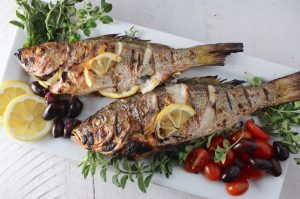
Turbot pairs beautifully with sides that are fresh, bright, and Mediterranean-leaning—especially those that highlight olive oil. Adding leeks and vegetables makes this fish dish stand out and great to cook and of course eat. Turbot is famous for its delicate flavour and cooked with our extra virgin olive oil will make a memorable meal.
Here are some to try once you’ve picked up your bottle of quality extra virgin olive oil;
- Lemon-Herb Roasted Potatoes
Crispy, golden potatoes tossed with olive oil, rosemary, thyme, and lemon zest. A classic pairing for any white fish.
- Olive Oil–Steamed Greens
Spinach, chard, or kale wilted gently and finished with garlic and a splash of olive oil keep things vibrant and light.
- Mediterranean Tomato Salad
A mix of ripe tomatoes, capers, olives, and basil dressed with olive oil adds acidity and freshness.
- Grilled Asparagus with Citrus Olive Oil
Asparagus charred lightly on the grill and finished with a citrus-infused olive oil brings brightness that complements turbot’s richness.
- Saffron Rice or Herbed Couscous
Fluffy grains soak up the juices from the fish without overpowering its delicate flavor.
- White Bean Purée
Smooth, garlicky white beans blended with olive oil make a luxurious but healthy alternative to mashed potatoes.
Final Thoughts
By choosing extra virgin olive oil when cooking turbot, you create a dish that feels luxurious yet still supports your health goals. The combination of omega-3-rich fish, heart-healthy fats from EVOO and plenty of vegetables makes this recipe a natural fit for a Mediterranean-style way of eating.
Pair it with simple olive-oil-based sides – crisp potatoes, steamed greens or a bright tomato salad – and you’ll have a main course that’s both elegant and effortlessly wholesome.
For more ways to cook with extra virgin olive oil, explore our Recipes & Inspiration hub, or discover how Morocco Gold supports your wellbeing in our Olive Oil & Health hub.
FAQs: Cooking Turbot With Extra Virgin Olive Oil
1. Why cook turbot with extra virgin olive oil instead of butter only?
Using extra virgin olive oil adds heart-healthy monounsaturated fats and natural antioxidants to the dish, while still giving you a rich, silky finish. Butter tends to be higher in saturated fat, so combining it with EVOO is a simple way to make the recipe feel lighter and more Mediterranean in style.
2. Does olive oil work well with other white fish, not just turbot?
Yes. The same method can be used with other firm white fish such as halibut, cod or brill. Extra virgin olive oil helps to carry flavours from garlic, herbs and seaweed without overpowering the fish, making it a versatile choice for many seafood recipes.
3. Is turbot cooked with olive oil a heart-healthy choice?
Turbot is naturally rich in protein and omega-3 fatty acids, and extra virgin olive oil provides beneficial fats and polyphenols. When enjoyed as part of an overall balanced diet, dishes like this can fit well into a heart-conscious way of eating. If you have specific medical questions, always speak to a healthcare professional.
4. What kind of olive oil should I use for cooking turbot?
For the best flavour, choose a high-quality extra virgin olive oil with a fresh aroma and low acidity. An oil such as Morocco Gold works well for light sautéing and as a finishing drizzle, adding fruity, peppery notes that complement the fish.
5. Can I reduce the amount of butter in this recipe even further?
You can experiment with using more olive oil and less butter if you prefer a lighter dish. Just keep a little butter if you still want some of the richness and flavour it brings, or finish with an extra drizzle of EVOO at the end for added aroma instead.
6. Which side dishes are healthiest to serve with olive-oil-cooked turbot?
Sides based around vegetables, whole grains and olive oil are ideal – for example roasted potatoes with herbs, steamed greens, a Mediterranean tomato salad, or herbed couscous. These options help keep the meal balanced while allowing the turbot to remain the star of the plate.
Our Sources
Important Disclaimer
The information provided on this website is for general informational purposes only. All content, including text, graphics, images, and information, is presented as an educational resource and is not intended as a substitute for professional medical advice, diagnosis, or treatment.
Please consult with a qualified healthcare provider before making any decisions or taking any action based on the information you find on this Website. Do not disregard, avoid, or delay obtaining medical or health-related advice from your healthcare provider because of something you have read on this Website.
If you think you may have a medical emergency, call your doctor, go to the nearest emergency department, or call emergency services immediately. We are not responsible for any adverse effects resulting from your use of or reliance on any information or content on this Website.
By using this Website, you acknowledge and agree to this disclaimer in full.