World Olive Tree Day is observed every year on 26th November, following a UNESCO proclamation, to recognise the olive tree’s cultural, economic and environmental importance. From supporting rural communities to helping protect soils and landscapes, olive trees play a valuable role in Mediterranean heritage and wider sustainability conversations.
Key Points at a Glance
- World Olive Tree Day takes place on 26th November each year, following a UNESCO proclamation in 2019.
- The olive tree symbolises peace, wisdom and harmony and is recognised globally beyond the Mediterranean.
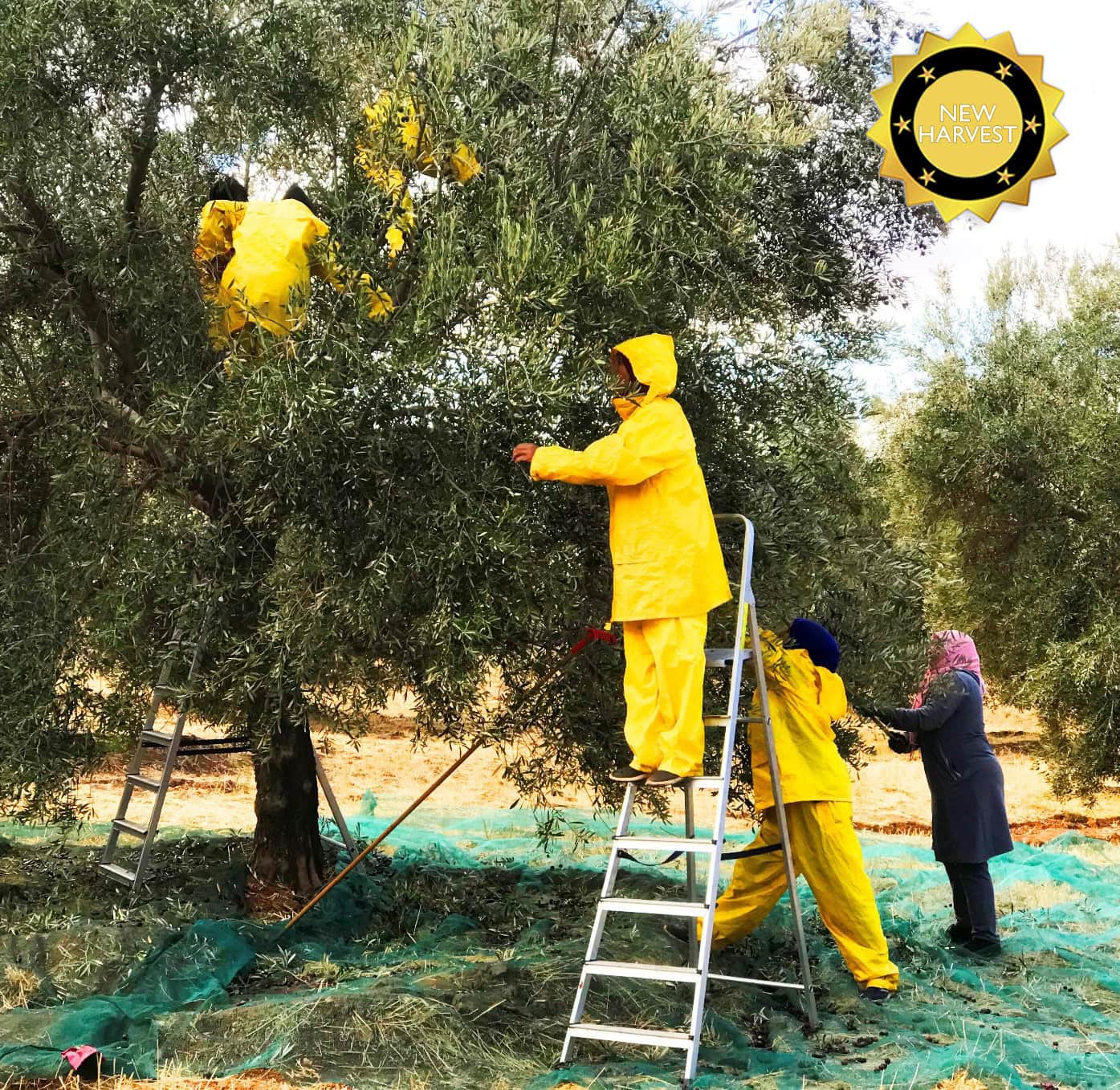
- Olive groves support rural livelihoods through jobs, farming traditions and local economies.
- Olive trees help protect landscapes by reducing soil erosion and supporting environmental resilience.
- Explore the role of olive oil in everyday life in How to Use EVOO and discover related wellbeing topics in Health Benefits.

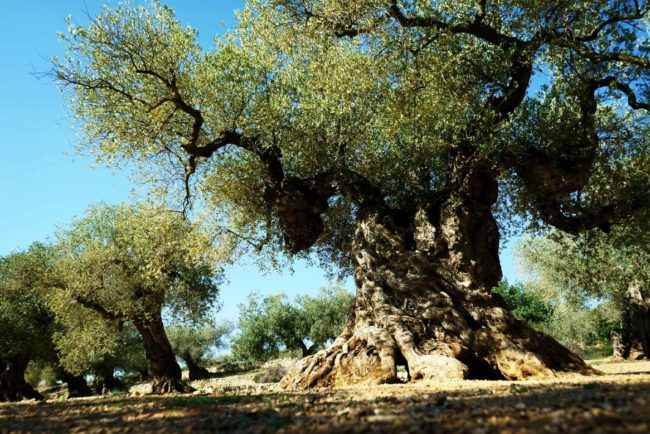
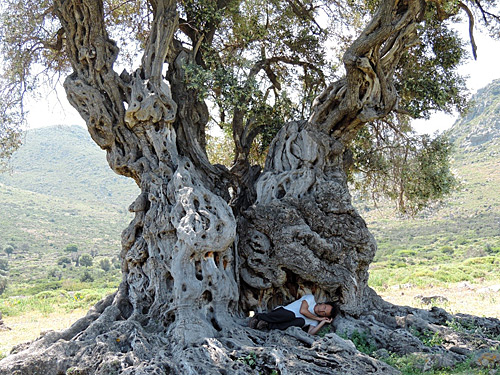
The olive tree, with its roots in the Mediterranean, is a universal symbol of peace and harmony. Growing across five continents, olives provide jobs, security and natural resources to rural communities around the world.
The olive tree, specifically the olive branch, holds an important place in the minds of men and women. Since ancient times, it has symbolized peace, wisdom and harmony and as such is important not just to the countries where these noble trees grow, but to people and communities around the world.
Wold Olive Tree Day
World Olive Tree Day was proclaimed at the 40th session of the UNESCO General Conference in 2019 and takes place on 26 November every year. The aim of World Olive Tree Day is to encourage the protection of the olive tree and the values it embodies. In order to appreciate its important social, cultural, economic and environmental significance to humanity. A simple but solemn homage to the olive tree, this declaration appeals to governments and institutions all over the world to choose the olive tree as protector of our planet
UNESCO’s Mission
Conserving and cultivating the olive tree is a growing imperative as the world combats and adapts to climate change. The protection of cultural and natural heritage, including landscapes, is at the heart of UNESCO’s mission and marking World Olive Tree Day reinforces environmental sustainability efforts. Olive trees prevent desertification and protects against soil erosion. As an agent against global warming olive trees have a positive carbon balance. They take more CO 2 out of the atmosphere than is emitted during the olive oil production process and they also have the potential to increase atmospheric carbon dioxide fixation in the soil.
Olive oil and table olives are a proven source of nutrition, and key ingredients in the Mediterranean diet. However, they offer a wide variety of aromas and flavours and enhance a unique cuisine. This has gained interest from renowned chefs around the world. The ability of their multiple medicinal and nutritional properties to prevent certain diseases is now widely recognised.
World Olive Tree Day: Quick Facts
| Topic | Summary |
|---|---|
| Date observed | 26th November |
| Proclaimed by | UNESCO (2019) |
| What it recognises | The olive tree’s cultural, environmental and economic significance |
| Why it matters | Supports rural communities, heritage landscapes, and sustainability awareness |

The Olive Tree
The olive tree as a universal symbol of peace and harmony. A wreath of olive branches is emblazoned not only on the flag of the United Nations. But on flags of other organizations and states. Today, the olive tree is grown on six continents. It contributes to the sustainable economic and social development of many countries and to the preservation of natural resources.
If you’d like to explore how olive oil is used in everyday cooking and routines, visit our How to Use EVOO hub, or browse wellbeing topics in Health Benefits.